Examining Gun Laws in New Jersey: A Closer Look at Pediatric Firearm Mortality
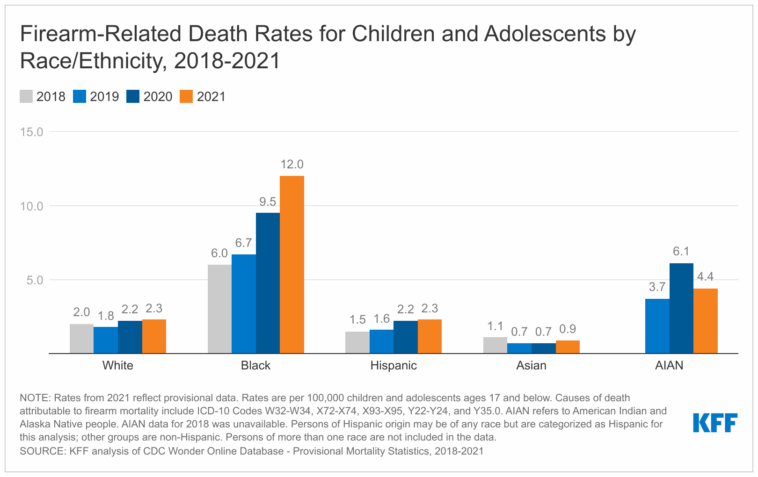
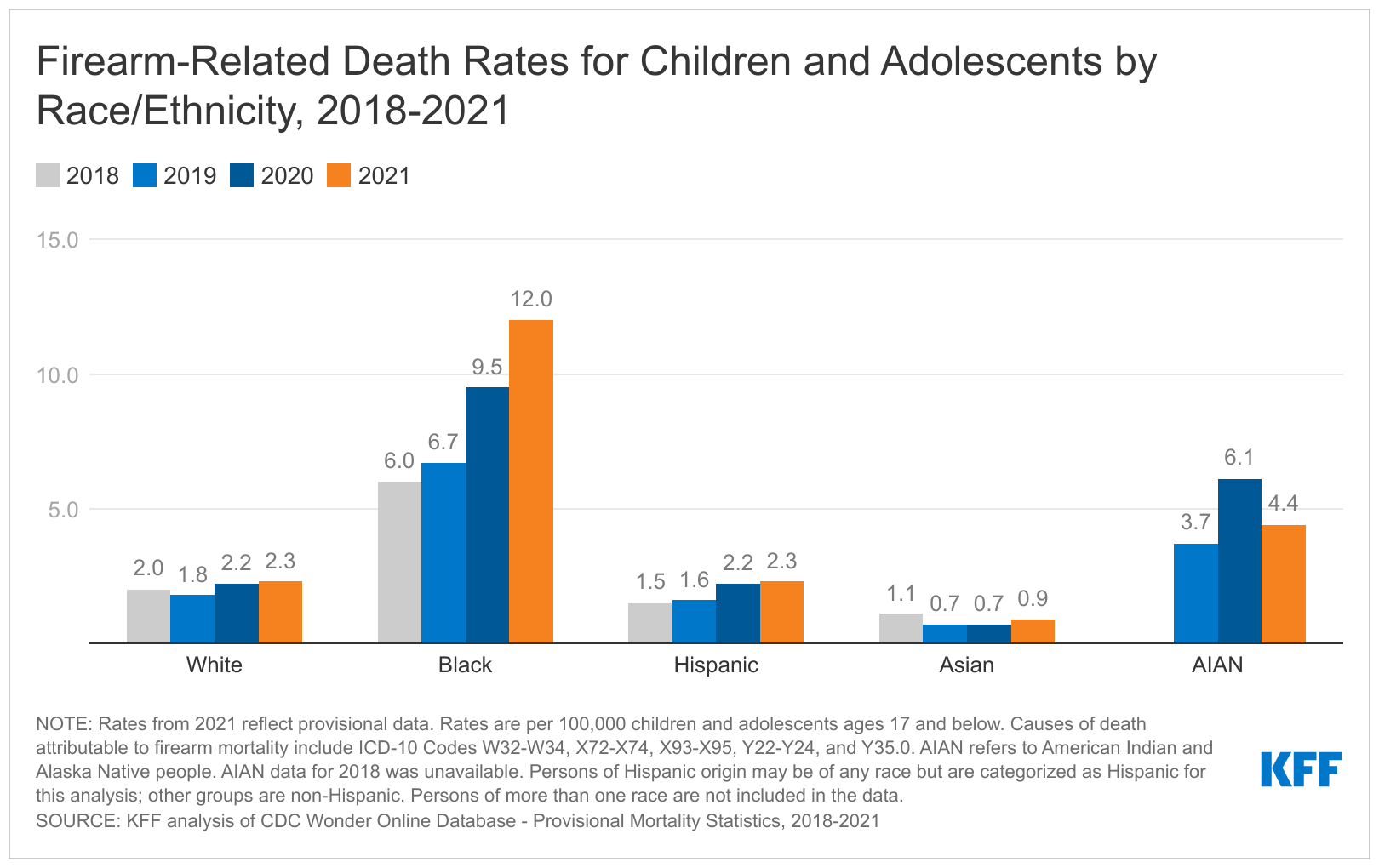
The conversation around gun ownership and safety in New Jersey has been full of twists and turns over the years. Recent studies, particularly one highlighted by the Journal of the American Medical Association (JAMA), suggest that states with more permissive gun laws might see a higher incidence of firearm-related deaths among children. This opinion editorial digs into the findings of the study, the evolution of federal and state gun regulations, and the implications for communities in New Jersey.
The Impact of Supreme Court Decisions on Gun Ownership Laws
Before discussing the study, it is important to look at the critical Supreme Court decisions that reshaped the legal landscape for gun ownership. Two landmark cases—District of Columbia v. Heller (2008) and McDonald v. Chicago (2010)—played super important roles in how gun laws were adapted nationwide and, ultimately, in New Jersey.
In Heller, the Court ruled that a complete ban on handguns in Washington, D.C. unreasonably restricted the ability of law-abiding citizens to protect themselves. This ruling emphasized that handguns, an essential tool for personal defense, could not be entirely outlawed in the home where protection is most needed.
Two years later, McDonald extended this idea by applying the Second Amendment right to the states. In a decision that directly influenced state level gun laws, the ruling meant that states could not maintain overly strict restrictions that would infringe upon an individual’s right to self-defense. As a consequence, many states became more relaxed in their gun laws—a shift that has had mixed implications for public safety.
By ensuring that the right to own a gun would hold in both federal and state courts, these decisions have set the stage for the evolution of gun policy across the United States, including the state of New Jersey.
Studying the Effects of Permissive Gun Laws on Child Safety
The recent study led by Dr. Jeremy Faust focused on how shifts in state gun laws affected pediatric firearm mortality. By comparing data from before and after the McDonald decision, the research sought to answer a nerve-racking question: did looser gun laws truly lead to more firearm fatalities among children?
Key Findings from the JAMA Study
The study divided the states into three groups based on the strictness of their gun regulations:
- States with the most permissive guns laws
- States with permissive guns laws
- States with strict guns laws
For the years between 2011 and 2023, the results were telling:
- In states with the most permissive laws, there were 6,029 excess firearm deaths among children—a rate of 158.6 per million of the population.
- States with less extreme but still permissive laws experienced 1,434 excess firearm deaths—a rate of 107.5 per million people.
- In contrast, states with strict gun laws reported fewer than 55 excess firearm deaths—a rate that was less than 2.5 per million people.
It is also notable that states with rigorous regulations, such as California, Maryland, New York, and Rhode Island, actually saw a decrease in pediatric firearm mortality post-2010. These results raise tough questions about the tradeoffs between the ease of obtaining and carrying a firearm, and the safety of vulnerable populations like children.
Legal and Policy Ramifications for New Jersey
Even before the study, New Jersey was known for its tough gun laws. According to the Gifford Law Center, New Jersey’s regulatory framework is one of the strictest in the nation, second only to states like California. The state has consistently averaged lower gun death rates compared to the national average. While the national rate is 11.9 gun deaths per 100,000 people, New Jersey’s average stands at 5.3 per 100,000.
New Jersey’s approach to firearm law is layered and multifaceted. The state has implemented a series of measures with the aim of managing your way through the tricky parts of gun regulation. Notable aspects include age restrictions, background checks, and strict limits on handgun permits. By requiring a firearm purchaser ID for ammunition, mandating that weapons be transported in a secured manner, and banning features like bump stocks, the state has attempted to address the nitty-gritty details of public safety while respecting individual rights.
Components of New Jersey’s Gun Laws
To better understand how New Jersey’s gun laws might influence public safety, consider the following table summarizing key measures:
| Measure | Description |
|---|---|
| Age Requirements | No person under 18 can purchase a firearm. |
| ID Card Requirement | An ID card is mandatory for any gun purchase. |
| Criminal History Restrictions | Individuals with a history of certain crimes or on terror watch lists are prohibited from purchasing firearms. |
| Handgun Permit Regulations | Applicants must meet strict criteria to demonstrate a justifiable need for a handgun permit. |
| Ammunition Sales | A firearm purchaser ID is required for buying ammunition. |
| Assault Weapons Ban | Assault weapons have been banned since 1990. |
| Background Checks | All private transfers of firearms require a background check through a federally licensed dealer. |
| Safe Transportation | Firearms must be unloaded and transported in a locked, fastened case, typically in the trunk. |
| Banned Accessories | Bump stocks and other similar devices are strictly prohibited. |
| Ghost Guns | The possession or creation of untraceable, assembled firearms is not allowed. |
This structured and strict legal framework has contributed to New Jersey’s relatively low firearm death rate compared to other regions, despite the fact that approximately 80% of New Jersey’s gun deaths are associated with firearms coming from out of state.
Understanding the Tradeoffs Involved in Permissive Gun Laws
In discussions about gun laws, one cannot ignore the tradeoffs that come with easing restrictions. As stated by Dr. Faust, states that have made it easier to obtain and carry guns have seen a corresponding rise in the rate of pediatric firearm deaths. This reality brings about a difficult balancing act between individual rights and collective safety, especially for the youngest members of society.
Consider the following bullet list summarizing the tradeoffs:
- While easier access to firearms can provide individuals with a sense of security and autonomy, it also increases the risk of firearms falling into the wrong hands.
- The increased possibility of accidents or misuse in homes where guns are readily accessible poses a unique risk to children and teenagers.
- States with looser controls may benefit some gun owners, but the overall higher rates of firearm-related mortality present a clear public health concern.
- Comparatively, states with strict regulations tend to see fewer tragic outcomes, underscoring the importance of implementing protective measures.
The study’s data, showing a stark contrast between states with permissive versus strict gun laws, underscores the critical nature of thoughtful, evidence-based policymaking. Dr. Faust’s remarks, communicated in media interviews, make it clear: the increase in children’s fatalities was not simply a reflection of a rise in overall violence, but rather a specific consequence of more relaxed firearm policies.
The Role of Research and Evidence-Based Policymaking
As we take a closer look at the study’s findings, it becomes evident that research is the cornerstone of any debate about gun laws. By digging into the data from the US Centers for Disease Control and Prevention’s WIDE-Ranging Online Data for Epidemiologic Research (WONDER) database, the study provided clear evidence that permissive gun laws may have unintended consequences when it comes to pediatric safety.
Dr. Faust makes a compelling argument for the need to base policy decisions on solid evidence—much like the nationwide mandates for child safety seats, which have saved countless lives by ensuring that the right car seats are used in vehicles across all 50 states.
A comparison between gun laws and car seat regulations illustrates the importance of evidence-based solutions. In the world of motor vehicle safety, the little details about seat belts, child car seats, and airbag deployment are key components in reducing fatalities. Similarly, when it comes to gun laws, careful attention to the subtle parts—such as background checks, safe storage, and the method of transportation of firearms—can play an equally essential role in reducing harm.
Charting a Path Through Confusing Bits of Gun Legislation
The legal framework around firearm ownership is undeniably full of problems. With multiple layers of regulation and a history spattered with significant court cases, finding your way through New Jersey’s gun laws can sometimes feel overwhelming. Yet, for responsible gun owners and policymakers alike, understanding these fine points is necessary to balance rights with responsibilities.
To simplify some of the confusing bits, consider this bulleted list of common challenges and possible solutions:
- Background Checks: Enhancing the thoroughness of background checks could prevent individuals with dangerous histories from acquiring guns.
- Age Verification: Strict enforcement of age limits could further reduce the risk of firearms ending up in the hands of minors.
- Secure Storage: Mandating secure storage of firearms at home could minimize accidental shootings among children.
- Interstate Gun Trafficking: Strengthening partnerships with other states to control the flow of out-of-state firearms could help limit their impact on local communities.
- Education and Training: Increased funding for education on gun safety, especially for new gun owners, could reduce misuse and accidents.
Though each of these proposals comes with its own set of challenges and potential pitfalls, many experts agree that a multi-faceted, evidence-based approach is the best way forward.
Balancing Individual Rights and Community Safety
One of the hardest parts about discussing firearms in America is balancing the individual’s right to self-defense with the community’s need to feel safe. Advocates for gun rights point out that owning a firearm is a personal liberty under the Second Amendment—a right that has deep historical and cultural roots in the United States.
On the other hand, the surging research that connects permissive gun laws with higher rates of pediatric mortality cannot be ignored. Recent media reports, including those from programs such as Good Morning America and ABC News, have stressed that states with looser laws have experienced an increase in homicide and accident rates among children and teens.
This dichotomy creates a tense and nerve-racking debate for policymakers. How does one preserve the right to self-defense while also protecting society’s most vulnerable members? There is no simple answer, but a few key considerations have emerged:
- Policymakers need to consider the real-world impact of laws on community safety rather than simply focusing on constitutional rights.
- Gun safety measures should be designed in a way that does not dismiss the concerns of responsible gun owners.
- Continued research into the fine shades of how gun laws affect different demographics will help shape balanced policies that address the problem without infringing upon essential rights.
- The role of local law enforcement and community outreach in educating gun owners about safe practices cannot be undervalued.
Finding mutual ground in this debate involves having honest discussions, integrating research findings, and a willingness to adjust policies as more data becomes available.
Lessons from Other States and the National Perspective
Looking at examples from other states can provide helpful insights into how New Jersey might continue to refine its approach to firearms regulation. As noted, states like California, New York, Maryland, and Rhode Island have seen a drop in pediatric firearm mortality thanks to strict, well-enforced gun laws. These states offer important lessons in how layered regulations and robust safety measures can keep communities safer.
Comparative Table: Permissive vs. Strict Gun Law Outcomes
The table below outlines a comparison between the outcomes in states based on the strictness of their gun laws:
| Category | Permissive Gun Laws | Strict Gun Laws |
|---|---|---|
| Pediatric Firearm Mortality Rate | High (over 100 per million in certain states) | Low (under 2.5 per million) |
| Ease of Gun Acquisition | Relatively easier | Significantly restricted |
| Incidence of Accidental Shootings | Increased likelihood given looser controls | Lower due to strict storage and handling rules |
| Compliance with Background Checks | Varies widely; loopholes may exist | Highly enforced with fewer exceptions |
This comparison highlights the clear differences in outcomes between states that favor looser regulations over those that impose stringent controls. While the debate will continue as part of national dialogue on gun safety, New Jersey’s legal framework appears to consistently contribute to fewer tragic incidents.
Practical Steps for Gun Owners in New Jersey
For law-abiding gun owners in New Jersey, understanding the state’s legal environment is super important in maintaining both safety and compliance. While many might argue that strict rules limit personal freedom, these measures exist precisely to help manage your way through the tangled issues of gun ownership.
Here are some practical suggestions for safe and responsible gun ownership in New Jersey:
- Stay Informed: Regularly update yourself on any changes or updates in gun laws within New Jersey. This can help you figure a path through the evolving legal terrain.
- Secure Storage: Always ensure that firearms are securely stored. Use gun safes or locked cases and keep ammunition separate to prevent unauthorized access, especially by children.
- Background Checks & Licensing: Complete all necessary background checks and ensure that you have the proper permits before purchasing or transporting a firearm.
- Education and Training: Consider taking a gun safety or legal education course. Such programs can help you dive in into the subtle parts of firearm handling and legal responsibilities.
- Advocate for Safety: Get involved in community discussions about gun safety. Working together with local law enforcement can help promote legislation that protects public health without undermining individual rights.
By following these steps, gun owners can contribute to making the environment safer for everyone—ensuring that the right to self-defense does not come at the expense of community safety.
Policy Recommendations for a Safer Future
Given the evidence presented by recent research and the longstanding tradition of judicial protection for gun rights, policymakers face a tough challenge. How can they honor constitutional freedoms while addressing the overlooked risks of increased pediatric mortality?
Several policy recommendations emerge from the study and subsequent discussions:
- Implement More Rigorous Background Checks: Closing loopholes and ensuring that every firearm transfer goes through a comprehensive background check is a super important step.
- Mandate Secure Storage Laws: Enforcing laws that require the safe storage of firearms can reduce accidental shootings, particularly among minors.
- Strengthen Enforcement on Out-of-State Firearms: Given that many guns used in New Jersey crimes originate from other states, coordination with neighboring states is necessary to curb the flow of illegally acquired firearms.
- Increase Funding for Research and Education: Continued research into the effects of gun laws, as well as offering education programs for both gun owners and potential buyers, can help bridge the gap between rights and responsibilities.
- Tailor Policies to Local Needs: One-size-fits-all solutions rarely work in a country as diverse as the United States. Local authorities must work to figure a path that best suits their unique environments while adhering to safety standards.
These recommendations are not intended to infringe upon personal freedoms, but rather to ensure that the right to keep and carry arms is exercised in a way that minimizes risk and protects the community at large. Evidence-based approaches, much like those used in managing vehicle safety standards, should be the guiding light for future legislative changes.
Assessing the Broader Social Impacts of Gun Law Policies
The discussion about gun laws reaches far beyond the legal arena; it touches on cultural and social spheres as well. In many communities, firearms not only represent a tool for self-defense, but also a symbol of a fiercely defended personal freedom.
However, the study linking permissive gun laws with increased mortality in children adds an unavoidable layer of responsibility on those laws. The data make it clear that intentionally or unintentionally, less regulated access to firearms can create an environment where children and teens become victims—not only to accidents but also to criminal activities.
This realization leads to a broader reflection on how America should approach complex policy questions that intersect personal rights and public safety. It is a delicate balance, one that requires consistent review and adaptation of policies as new evidence emerges from community research and practical outcomes.
Ultimately, the debate calls for thoughtful, community-based dialogues that emphasize real-world consequences. Much like steering through the tricky parts of any major policy issue, this conversation must be built on the fundamentals of evidence, compassion, and a willingness to adjust course when needed.
Community Engagement and the Road Ahead
For New Jersey, a state known for its strict gun laws, the current discussion offers both reassurance and a call to action. The relatively low firearm mortality rates stand as a testament to the benefits of carefully managed legislation. However, the clear evidence that emerges from studies like Dr. Faust’s reminds all stakeholders that no set of rules is ever perfect.
Community engagement is a critical element in working through the tangled issues of gun control policies. Open forums, town hall meetings, and collaborative sessions involving law enforcement, legal experts, and ordinary citizens can help foster an environment where every voice is heard. Through such efforts, it is possible to maintain personal freedoms while enhancing public safety.
Gun owners, local residents, and policymakers alike can benefit from platforms that encourage a blend of proactive safety measures and education on how to responsibly manage a firearm. It is only through understanding the little details of effective legal regulation and ensuring that those details are implemented at a grassroots level that we can hope to reduce the number of tragic firearm-related deaths among our youth.
Community groups have successfully organized in several states, leading to initiatives such as enhanced safe storage programs and local gun safety workshops. Such programs not only serve as educational tools but also act as a reminder that every citizen has a role to play in building a safer environment for everyone.
Conclusion: Striking a Balance Between Rights and Responsibilities
The evolution of gun laws in New Jersey reflects a broader national conversation—one that seeks to reconcile the individual right to bear arms with the community’s need for protection, especially for its youngest members. Groundbreaking Supreme Court decisions have provided the legal framework that enables gun ownership. Yet, evidence from studies like Dr. Faust’s signals that relaxed gun laws come with serious consequences in terms of pediatric firearm mortality.
New Jersey’s strict regulations, with thorough checks and secure storage mandates, have helped maintain a lower firearm mortality rate. However, the challenge remains on how best to manage your way through the complex tradeoffs inherent in any policy that touches on both civil liberties and public health.
In the end, a balanced approach—one that involves rigorous research, community engagement, and evidence-based policymaking—will be key to reducing unnecessary tragedies without unduly infringing on constitutional rights. As we look ahead, let this be a call to policymakers, legal experts, gun owners, and community activists to work together in crafting solutions that protect both individual and public interests.
Every step taken in enhancing gun safety protocols is a stride towards a future where the right to self-defense is harmonized with the responsibility to safeguard our children and communities. Though the road ahead might be full of problematic twists and turns, with thoughtful dialogue and clear-eyed analysis, it remains possible to chart a path that respects both the tradition of the Second Amendment and the need for modern, preventive measures.
This conversation is far from over. By continuously re-examining the small distinctions between differing state laws and community outcomes, we create opportunities to learn and adjust. Whether you are a concerned citizen, a dedicated gun owner, or a policymaker, understanding the subtle details and hidden challenges of gun laws is super important in our collective journey towards a safer society.
Ultimately, the goal remains the same: ensuring that the law serves its dual purpose of protecting the rights of individuals while also preserving the safety and well-being of every community member. It is through a collaborative effort—guided by the best available evidence—that we can hope to reduce the toll of preventable deaths, providing a model for balanced legislation not just in New Jersey, but across the nation.
Originally Post From https://www.newjerseygunlawyers.com/blog/as-states-relax-gun-restrictions-new-study-finds-that-firearm-related-deaths-among-children-rise/
Read more about this topic at
Gun Crimes & Penalties in Philadelphia: What You Need to …
Gun Laws in Pennsylvania