DOJ Investigation and the Second Amendment: Unraveling New York’s Gun Laws
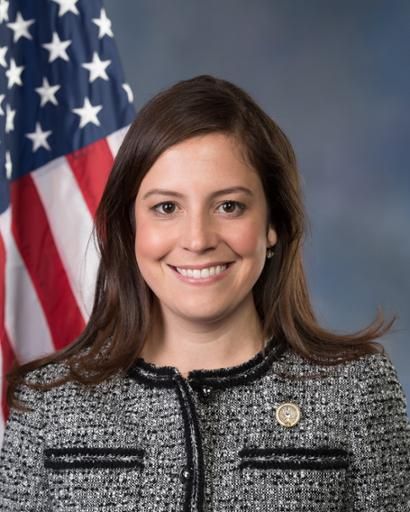
Recent developments in New York have sparked a heated debate about gun rights and constitutional protections. In a carefully worded letter penned by House Republican Leadership Chairwoman Elise Stefanik and Representative Claudia Tenney—both hailing from New York—the call for a Department of Justice (DOJ) inquiry into what they claim are unconstitutional gun control measures is loud and clear. This op-ed sets out to explore this issue, dig into the historical background, and highlight the challenging twists and turns that have defined New York’s approach to gun laws.
Constitutional Infringement Analysis: The Legal Background
The letter sent to then-Attorney General Pam Bondi vividly outlines concerns over New York State’s restrictions. The lawmakers argue that measures including the ban on commonly owned semiautomatic rifles, stringent licensing and registration requirements for constitutionally protected arms, and magazine capacity limits amount to a structural repudiation of the Second Amendment. With references to leading Supreme Court cases such as DC v. Heller, McDonald v. City of Chicago, and NYSRPA v. Bruen, the petitioners insist that these state-imposed limits have overstepped their constitutional bounds.
It is important to note, however, that each side of the debate presents its own version of the “tricky parts” and “tangled issues” when it comes to balancing state safety concerns with individual rights. For many supporters of strict state regulations, these laws are seen as essential tools for preventing gun violence and ensuring public safety. For advocates of gun rights, they represent an overwhelming, off-putting set of restrictions that seem to undermine a super important, constitutionally guaranteed right.
Historical Precedents and the Second Amendment
The New York gun control stance did not emerge in a vacuum. Over the decades, legal precedents have helped shape both state and federal policies. The landmark Supreme Court decisions, which clarified the scope of individual rights under the Second Amendment, serve as the foundation against which New York’s laws are being judged.
Key Supreme Court Cases Impacting Gun Rights
The following table summarizes the essential Supreme Court rulings referenced in the ongoing debate:
| Case Name | Year | Key Takeaway |
|---|---|---|
| DC v. Heller | 2008 | Affirmed an individual’s right to possess firearms for lawful purposes. |
| McDonald v. City of Chicago | 2010 | Extended Second Amendment protections to state and local governments. |
| NYSRPA v. Bruen | 2022 | Struck down aspects of New York’s Sullivan Act, emphasizing historical context in firearm regulation. |
These cases, collectively, provide insights into how the right to bear arms has evolved in American jurisprudence. They paint a picture where constitutional rights are meant to be flexible yet consistent, allowing each citizen the freedom to protect themselves while also being mindful of the community’s safety.
Critically Examining New York’s Gun Laws
The heart of the argument from Representatives Stefanik and Tenney lies in the assertion that New York’s regulatory measures impose unnecessary and unconstitutional limitations on law-abiding citizens. They argue that the state’s adoption of a blanket ban on certain categories of firearms—particularly semiautomatic rifles—and the imposition of an arbitrary magazine capacity is not just improper but also out of step with established constitutional requirements.
Understanding the State’s Restrictions
To break it down further, let’s look at some of the state restrictions mentioned in the letter:
- Ban on commonly owned semiautomatic rifles: Many New Yorkers feel that this restriction targets a type of firearm that is widely used for both recreational and self-defense purposes.
- Licensing and registration mandates: Although intended to ensure responsible gun ownership, critics argue that these requirements tend to burden law-abiding citizens while failing to effectively address illegal firearm acquisition.
- Magazine capacity limits: The imposition of a cap on magazine capacity is viewed by opponents as an arbitrary measure that limits the effectiveness of firearms for self-defense.
Each of these measures has its own set of confusing bits and slight differences in implementation. For instance, while one provision might seem straightforward in theory, its practical application often reveals subtle details that complicate compliance for everyday gun owners.
Analyzing the Letter: Key Points and Legal Language
The letter itself is a detailed call to action with the purpose of ensuring that Second Amendment rights are upheld. Representative Tenney’s and Chairwoman Stefanik’s message is firm: New York’s regulatory framework represents nothing short of a constitutional infringement that must be remedied swiftly by the DOJ.
Extracting the Main Themes from the Letter
A closer look at the letter reveals several critical themes and areas of contention:
- Direct constitutional violation: The letter contends that state-enforced controls go against the rulings of the Supreme Court and the intent of the Constitution.
- Structural issues in gun laws: By highlighting the sweeping nature of the restrictions, the lawmakers argue that these laws are not nuanced adjustments, but rather, heavy-handed measures that leave little room for legal firearm ownership.
- The historical perspective: Emphasizing precedents like NYSRPA v. Bruen adds weight to their argument, suggesting that previous legal victories have only partially corrected the course of New York’s gun regulations.
These points reinforce the idea that the state’s approach may be riddled with tension, full of problems when it comes to balancing individual liberties with communal safety.
Public Safety Versus Individual Freedom: Finding Your Path Through the Debate
The core debate over New York’s gun laws is inherently about the balance between protecting individual rights and ensuring public safety. While the focus of the DOJ investigation is on whether constitutional rights have been infringed, the broader conversation extends to the societal impacts of such laws.
Points for Consideration on Both Sides
In order to chart a well-rounded opinion on this matter, it is critical to understand the varying perspectives—which can be outlined as follows:
- For Gun Rights Advocates:
- It is essential that any restriction on firearm ownership be closely scrutinized through the lens of constitutional rights.
- The idea of an arbitrary cap on magazine capacity is seen as a nerve-racking measure that unnecessarily limits the ability of law-abiding citizens to defend themselves.
- Historical decisions like DC v. Heller and McDonald v. City of Chicago serve as a compass to guide the interpretation of modern laws.
- For Gun Control Supporters:
- State regulators argue that the measures in place have been crafted in response to overwhelming concerns over gun violence.
- Licensing and registration requirements, while off-putting in their implementation, are viewed as essential safeguards to prevent the misuse of firearms.
- Enhancing public safety through stricter controls is seen as a necessary trade-off to mitigate the potential harm in communities.
Exploring the Hidden Complexities in Legal Implementation
When we poke around the legal framework underlying New York’s regulations, there are several subtle parts that complicate the narrative. The implementation of new restrictions creates a web of compliance issues that can be overwhelming for both the regulators and the regulated populace.
Challenges in Implementing Gun Control Laws
Some of the complicated pieces in the enactment of these laws include:
- Interpretative differences: What one stakeholder views as a necessary safety measure, another might see as an infringement on a constitutional right. This dual interpretation creates a tricky situation in legal and practical terms.
- Enforcement hurdles: Ensuring consistent enforcement across diverse jurisdictions is a challenge. The fine points in the language of the law can lead to variations in how strictly or leniently it is applied.
- Public perception: The debate often turns nerve-racking when electoral politics are factored in. The portrayal of these laws in media influences public sentiment, often escalating tensions rather than paving the way for rational discussion.
Addressing these hidden complexities means public officials must find a way to steer through layered issues without compromising either safety or constitutional integrity.
The DOJ’s Role in Upholding Constitutional Rights
As the top legal authority in the country, the DOJ has a long history of stepping in when state laws cross the constitutional line. Previous interventions serve as an example of how federal oversight may help untangle the twists and turns of state-level gun legislation.
Historical Interventions and Future Implications
Historically, the DOJ has acted to ensure that state actions do not undermine federally guaranteed rights. This oversight process can be broken down into several key actions:
- Investigation: The DOJ’s mandate mandates close scrutiny of state regulations that may be overstepping legal boundaries.
- Remediation: When a state law is found to be in conflict with constitutional rights, the DOJ may advocate for policy revisions or even legal action to restore the balance.
- Enforcement: The enforcement of constitutional rights through federal intervention is a cornerstone of U.S. governance, ensuring that no state can unilaterally redefine protections afforded to its citizens.
With the current letter as a starting point, the DOJ may be tasked with finding its way through the state’s legal framework, a process that could involve both courtroom battles and policy realignments. The outcome of such an investigation may set a precedent for the future relationship between New York’s regulatory landscape and the constitutional freedoms guaranteed under the Second Amendment.
Impact on Law-Abiding Gun Owners: Weighing the Scales of Regulation
One of the most critical aspects of this debate is its impact on everyday gun owners—individuals who adhere to state laws and rely on their rights to protect themselves and their families. For many, the notion of arbitrary restrictions on well-established firearms is an intimidating prospect.
Everyday Concerns for the Responsible Gun Owner
For the regular citizen who values the Second Amendment as a line of defense, the following points are at the forefront of their concerns:
- Practical usability: Bans on particular types of firearms and limits on magazine capacities may severely hinder the practical usability of firearms in defensive situations.
- Administrative burden: Expensive and nerve-racking registration requirements add complicated pieces to an already challenging process, making legal ownership more burdensome.
- Legal uncertainties: The fine details embedded in the law can create scenarios where law-abiding individuals might unintentionally breach regulations due to subtle distinctions in interpretation.
These issues highlight why many view the current regulations as not only a threat to their rights but also as an unnecessary complication in their daily lives. The dilemma of balancing personal security with legal clarity remains a contentious topic that elicits differing opinions from all corners of society.
Legislative and Judicial Balance: The Future of Gun Regulation
The ongoing friction between legislative actions in New York and judicial rulings at the federal level illuminates the challenge of finding a consensus on gun regulation. With controversies and heated debates on both sides, the question stands: how can we strike a balance that honors constitutional rights while safeguarding public safety?
Looking at the Road Ahead
Here are some points worth considering when pondering the future of gun regulation in America:
- Reevaluating existing laws: There is a growing sentiment among many experts that a close review of state laws is necessary. By reexamining these provisions in light of the clear mandates from the Supreme Court, lawmakers can identify unnecessary restrictions and work toward rational adjustments.
- Engaging multiple stakeholders: Successfully addressing these challenging issues requires input not only from politicians but also from legal experts, law enforcement agencies, and everyday citizens. Collaborative policy-making might ease some of the overwhelming and off-putting aspects of current debate.
- Legal clarity and enforcement: Efforts should be made to simplify the language and implementation of these laws to ensure that the vital protections offered to citizens are understood and uniformly applied.
This multifaceted approach may eventually help bridge the gap between federal and state authorities, ensuring that future legislative reforms are both prudent and protective of constitutionally guaranteed rights.
Public Discourse and the Role of Media in Shaping Gun Policy
Media coverage and public sentiment play an essential role in how controversies like these are ultimately resolved. The language used in debates—from official letters to opinion editorials—can help either bridge understanding or widen the divide.
Understanding the Media’s Influence
The media often serves as a double-edged sword in public policy discussions. On one side, thorough investigative journalism can expose the nitty-gritty and hidden complexities of government overreach. On the other, sensationalized narratives may amplify the tense aspects of these disputes, making it hard for citizens to get a clear perspective on the issues.
For instance, terms such as “unconstitutional infringement” or “structural repudiation of the Second Amendment” can sound overwhelming. However, when journalists take the time to drill down on the small distinctions between lawful regulations and over-limitations, the public is better equipped to make informed decisions about where they stand.
Moreover, the incorporation of detailed examinations like those found in long-form opinion editorials—backed by factual references and tables outlining pivotal court rulings—helps demystify the twists and turns of gun legislation.
The Importance of Constructive Dialogue in Resolving Gun Policy Disputes
The ongoing debate over New York’s gun laws underscores the need for a constructive exchange of ideas. The legal landscape is, after all, as dynamic as it is intricate, and finding a way forward requires cooperation among all parties involved.
Strategies for Meaningful Engagement
Here are a few suggested approaches that stakeholders can consider to help ease the current tensions and work towards a more balanced policy framework:
- Regular forums and public hearings: Establishing platforms for dialogue where legislators, legal experts, law enforcement, and the public can voice their concerns and suggestions is essential.
- Transparent policy reviews: Creating a process for the periodic review of firearm regulations can help ensure that laws remain both effective and in line with constitutional mandates.
- Fact-based analysis: Leveraging detailed data, research, and historical precedents to inform debates helps cut through the nerve-racking uncertainty often associated with these topics.
By building channels for ongoing discussion, the community can work together to manage their way through legislative complexities while preserving the key freedoms codified in the Constitution.
Comparative Analysis: New York Versus Other States
To better understand the unique nature of New York’s regulatory environment, it is useful to compare its policies with those of other states. Examining how different jurisdictions handle firearm legislation sheds light on both the benefits and pitfalls of varying approaches.
What Can We Learn from Other Jurisdictions?
Several states have taken different approaches to gun control, leading to valuable insights:
- States with more lenient policies: In these regions, law-abiding citizens often enjoy greater freedom regarding firearm ownership. Yet, these states also face challenges in addressing public safety concerns when mass shootings occur.
- States with stricter regulations: These areas might see reduced gun violence on the surface, but they also spark criticism regarding the suppression of Second Amendment rights and the administrative burden imposed on citizens.
- Balanced models: A few states have attempted to craft laws that maintain constitutional rights while instituting efficient measures for public safety. These models highlight the possibility of finding a middle ground by carefully examining and adjusting the little details in existing law.
By studying these varied efforts, policymakers in New York and other states could figure a path that minimizes overwhelming restrictions while still addressing the true safety needs of their communities. The crux of the matter lies in forging policies that are as resilient as they are respectful of individual freedoms.
Concluding Thoughts: The Way Forward for Gun Rights and Public Safety
The request for a DOJ investigation into New York’s gun laws raises many questions about the true nature of constitutional rights and state power. At its core, this issue is not just about guns—it is about ensuring that the protective guarantees enshrined in the Constitution are accessible to every citizen without unnecessary obstacles.
As this debate continues to evolve, the opportunity for a balanced dialogue remains. Lawmakers, legal experts, and citizens alike must work together to figure a path that respects both public safety and individual rights. Whether it is through more targeted legislative reviews, robust public debate, or carefully examined case law, the ultimate objective should be a system where the fundamental freedoms are always protected and any state action is held accountable to constitutional standards.
Ultimately, the challenge lies in addressing the confusing bits and subtle parts of the current framework while ensuring that states have the room to enact policies that protect their populations. With the DOJ poised to weigh in, the coming months may well define the boundaries of Second Amendment protections for years to come. It is a nerve-racking time, but one that also offers the promise of careful, deliberate progress.
Key Takeaways and Future Considerations
In summary, the ongoing investigation into New York’s gun laws encapsulates a broader debate about constitutional integrity versus regulatory measures. By examining historical court rulings, evaluating state-specific restrictions, and encouraging open discussion, stakeholders can work towards a legal framework that is fair, transparent, and respectful of fundamental rights.
Summary of Essential Points
- Historical Context: Supreme Court decisions such as DC v. Heller and McDonald v. City of Chicago should serve as the bedrock for interpreting current firearm legislation.
- Constitutional Concerns: The letter from Representatives Tenney and Stefanik stresses that New York’s sweeping gun regulations impose unconstitutional restrictions on law-abiding citizens.
- Implementation Challenges: Subtle differences in how the law is applied across different regions highlight the need for clearer guidelines and enforcement protocols.
- Safe and Constitutional Balance: Both sides of the debate are working through a range of challenging issues—from public safety requirements to the protection of individual freedoms.
- Path Forward: Future actions must involve transparent policy reviews, public engagement, and a commitment to upholding the second amendment as clearly outlined in the Constitution.
As policymakers and legal experts continue to poke around these issues, it remains crucial that the conversation does not fall prey to political sensationalism. Instead, all parties must seek a solution that manages the complicated pieces of this debate while ensuring that no citizen is deprived of their constitutionally guaranteed right to self-defense.
Final Reflections: An Ongoing Journey Toward Justice and Safety
The intersection of public safety and individual freedoms has always been one of the most intense battlegrounds in American legal and political life. The call from New York’s representatives for a DOJ investigation may be seen as a necessary step—whether one agrees with their position or not. It highlights the need for federal oversight when state regulations seem to tangibly restrict constitutional rights.
Although the twists and turns of this legal battle are far from over, one thing is clear: ensuring a safe yet free society requires continual vigilance, thoughtful dialogue, and a willingness to adapt. The tasks of reexamining outdated policies, managing the nerve-racking aspects of new regulations, and finding a balanced middle ground are not for the faint of heart. They are, however, essential if America is to reconcile the conflicting demands of safety and freedom in a manner that respects its constitutional heritage.
In the end, the DOJ’s forthcoming actions could set a precedent for other states seeking to implement or challenge gun control measures. As debates rage and legal battles unfold, the conversation must remain centered on careful legal analysis, constructive public discourse, and a commitment to both safety and liberty. Only through such balanced efforts can we truly honor the spirit of the Constitution and the trust that citizens place in their government.
It is our responsibility—whether as lawmakers, legal experts, or engaged citizens—to ensure that the foundations upon which our society is built are neither undermined nor taken for granted. By working through the confusing bits and steep challenges of this issue, we can collectively pave the way towards a future where the rights of every citizen are respected and preserved.
Originally Post From https://www.gun-tests.com/gun-tests-plus/doj-asked-to-investigate-empire-state-gun-infringements/
Read more about this topic at
Human Rights Under Siege
Human rights under siege