Reviewing a Shift in Concealed Carry Choices
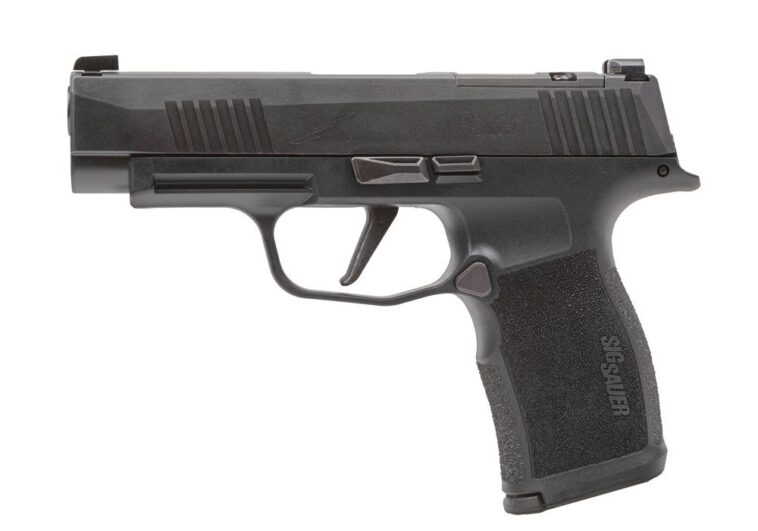
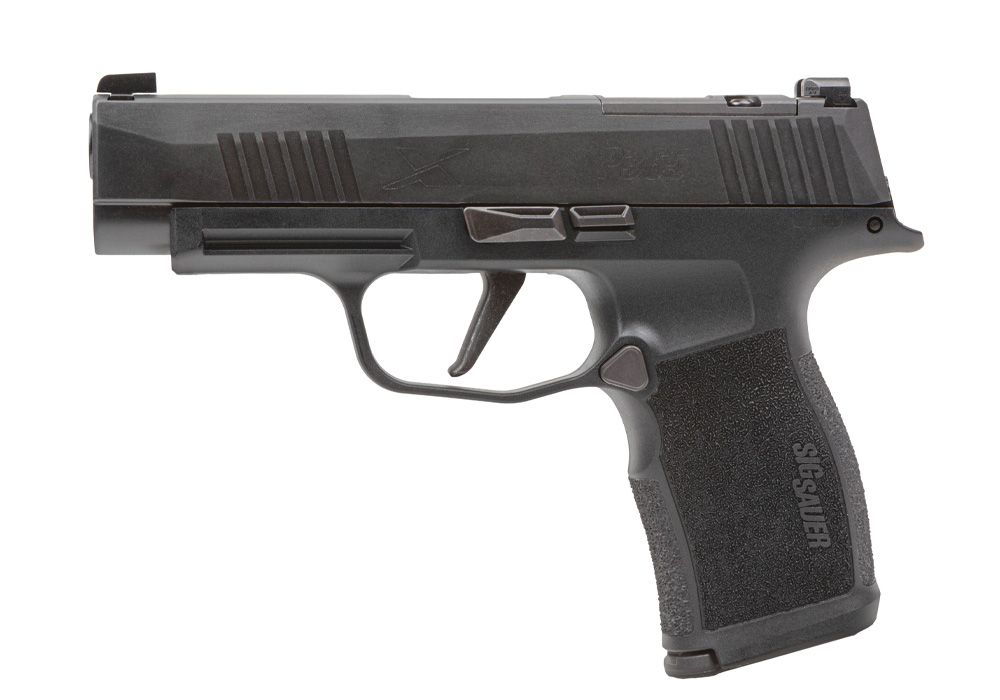
The landscape of concealed carry is constantly shifting as new issues come to light and the public’s sentiment towards specific firearm models changes. Today, I want to share my personal journey—rooted in over a decade of concealed carry experience—and explain why I decided to change platforms after more than three years with a SIG P365XL. While I’ve embraced various firearms over the years, the recent saga surrounding SIG’s P320 platform presents enough tangled issues and subtle details for me to reassess my choices.
In this opinion editorial, I will dig into the reasons behind my decision, discuss the reported incidents and lawsuits that have made headlines, and review how a change in equipment can impact both everyday carry and competitive shooting. Through neutral examination and personal reflection, I hope to offer readers a well-balanced view of the matter, while highlighting important considerations for concealed carry permit holders.
Understanding the Trigger Points
Concerns Over Alleged Uncommanded Discharges
One of the major issues that has steadily built momentum and reached the public arena is the alleged uncommanded discharges reported in some SIG products. Over the years, there have been scattered reports connected to the SIG P320 and its military variant, the M18. Although SIG and several backers have attributed these problems to factors such as holster design and user handling, reports continue to emerge that have left many concealed carry enthusiasts feeling uneasy.
These occurrences are not isolated anecdotes; they are supported by a growing number of lawsuits and institutional decisions—like the recent pull of all M18 units by the U.S. Air Force’s Global Strike Command. Here are some of the factors stirring concern:
- Multiple incidents involving accidental discharges reported by various parties
- Legal actions and claims questioning the design and hardware resilience
- Security ranges, instructors, and clubs now excluding these models from their safety protocols
- Underlying issues with holster compatibility or handling techniques
This string of events has combined to create a scenario that, much like an unexpected car recall, forces concealed carry owners to re-evaluate their trust in the product—even if the token of trust was acquired years prior.
Comparing Firearm Platforms: Evaluating Safety and Performance
For any firearm owner, daily carry is a balancing act between reliability, shootability, and personal preference. A switch in the equipment is akin to trading a well-known car for a different model with an unfamiliar track record. In my personal experience, I found that the SIG P365XL was remarkably shootable and comfortable for concealed carry. Its discreet nature made it a perfect candidate for daily use.
However, as safety concerns mounted around the SIG P320 and its variations, including their roles in recent mandated bans by ranges and clubs, it became necessary to look at alternative platforms. This comparison process emphasized several key areas:
- Reliability: Consistent performance under various conditions
- Holster Compatibility: The need for holsters that accommodate differences in design
- Adaptability: Suitability for both everyday carry and competitive settings
- User Confidence: Feeling secure about the firearm’s performance during critical moments
When these points are tabled against one another, it becomes clear that a good firearm isn’t just about raw performance—it’s also about the peace of mind offered to the person carrying it.
The Role of Public Perception and Market Response
The Ripple Effect in the Firearm Community
In recent months, there has been a noticeable shift in the firearm community’s attitude toward SIG’s lineup. Ranges, training clubs, and concealed carry instructors have been proactively reassessing their policies regarding the P320 platform. This has led to bans and re-evaluations by several organizations that once openly supported or recommended the brand.
The reaction is reminiscent of how consumers might react to repeated issues with any well-known brand in another industry. Consider the following table illustrating some comparable dynamics in the consumer world:
| Scenario | Reaction |
|---|---|
| Automobile recalls of specific models | Consumers begin to question all models from the manufacturer, even if others are not directly implicated. |
| Electronics with repeated battery failures | A wave of distrust can lead to reduced sales and a shift in consumer loyalty. |
| Firearm models with safety incidents | Ranges, legislators, and trainers caution potential buyers, leading to shifts in market demand. |
As with any noteworthy trend in public perception, the challenge often lies in determining whether the negative press is due to a few isolated practises or a systemic flaw within the products.
The Legal and Institutional Implications
An equally significant piece of the puzzle comes from the legal and institutional sides of the equation. The fact that government agencies, like the U.S. Air Force’s Global Strike Command, took the bold step of pulling the M18 from service cannot be taken lightly. While manufacturers argue that user handling or faulty holsters might be the real culprits, the institutional response creates a ripple effect that is hard to ignore.
When a major organization acts out of an abundance of caution, it sets a precedent. The following bullet list outlines how these legal and institutional responses can influence the market:
- Increased scrutiny: More regulators and safety advocates are likely to take a closer look.
- An uptick in lawsuits: Even the perception of a safety issue can lead to legal challenges.
- Policy changes: Ranges, clubs, and shooting competitions may adopt new bans or guidelines.
- Consumer hesitation: Potential buyers may decide to stick with more “tried-and-true” models.
By understanding these legal and institutional responses, carriers can better figure a path through the ongoing discussion. It’s important to stress that these changes aren’t just abstract concerns; they have real impacts on what is deemed suitable for everyday carry and competitive sports.
Switching Platforms: A Personal Choice Backed by Broader Implications
Evaluating the Shift: From SIG to Alternatives
After years of loyalty to SIG products, my ultimate decision to switch was not made lightly. It resulted from continuous reports, legal actions, and pressure from the community to reconsider usage of these particular models. The process was, in many ways, reminiscent of weighing the pros and cons of any major decision. Here’s an illustrative list of factors that played a key role in my decision-making process:
- Track Record: Over the years, the SIG P365XL proved to be effective, discreet, and comfortable; yet the rising tide of negative press around the platform made me skeptical about continuing my association.
- Legal Cloud: The series of lawsuits and subsequent actions by range instructors created a pervasive sense of uncertainty that was hard to ignore.
- Market Shift: Widespread bans within competition circles and ranges indicated that the issue was not just personal but a larger sector-wide concern.
- Peace of Mind: Responsibility in concealed carry is paramount. Knowing that the firearm you carry daily does not come with disabling hidden complexities is nerve-racking, and ensuring safety always has to be the top priority.
This decision to switch, therefore, was not solely about a single incident. It was the culmination of many small twists and turns leading up to a moment when maintaining the status quo no longer felt like the safest route.
Transitioning to a New Platform: The Process and Challenges
I have always prided myself on adapting to new equipment quickly, largely because reviewing firearms for a living demands that I keep an open mind about different models and manufacturers. Making the switch from a SIG platform to another reliable solution was, for me, an exciting challenge rather than an off-putting burden.
The transition involved getting to grips with not only new hardware but also different carry configurations and holster systems. Changing the firearm for my everyday carry required careful consideration of the following components:
- Holster Solutions: After years of using specialized holsters tailored for the SIG lineup, I had to explore alternatives that would align with a different firearm’s dimensions and carry style.
- Competitive Adaptation: My venture into USPSA competitions meant that the new platform needed to perform well in high-pressure environments where fractions of a second matter—a scenario where any distracting or unreliable equipment is simply not acceptable.
- Familiarity Versus New Learning: There is a natural comfort in familiarity. Transitioning to a different system demands a period of adjustment—learning new ergonomics, trigger responses, and re-calibrating muscle memory.
Overall, my switch was smooth because I had already diversified my collection and was always open to innovation. The change not only addressed concerns related to past incidents but also invigorated my enthusiasm for evaluating new equipment that might better serve my everyday needs.
Insight from a Legal Perspective
Implications for Liability and Safety Standards
For those who follow the evolution of gun laws and regulations, the legal implications of transitioning away from an increasingly controversial platform are significant. When a manufacturer is embroiled in lawsuits and repeated safety concerns, it opens the door for increased liability issues that can affect both users and institutions.
From a legal standpoint, the following points are super important when assessing whether to continue with a particular model:
- Product Liability: Manufacturers can face greater scrutiny if their products are linked to harmful incidents. This makes it crucial for concealed carry permit holders to stay abreast of ongoing litigation and emerging legal standards.
- Insurance Considerations: Gun owners often find that these concerns can affect their insurance coverage options. With increased risk comes higher premiums or sometimes a refusal of coverage in extreme cases.
- Institutional Policies: Organizations that offer training and competitive shooting are more likely to implement bans or revised usage policies when legal ambiguities arise around a specific platform.
- User Responsibility: Many firearm owners say they are simply making their own carry decisions based on full public disclosure. This reflective approach is essential given that safety ultimately depends on making informed personal choices.
What this means is that each unintended discharge and each legal suit becomes a cautionary tale not just for one manufacturer but for the entire concealed carry ecosystem. As laws evolve and safety standards become stricter, concealed carry permit holders must keep a keen eye on how these changes might influence everyday safety and legal standing.
Regulatory Considerations and the Future of Carry Law
Another tough part of this discussion involves the evolving legal landscape surrounding concealed carry. Legislative debates—often full of competing interpretations and opinions—show that gun law is on edge with subtle details that continue to shift with society’s changing standards.
Some of the key legal aspects include:
- Enhanced Disclosure Requirements: Lawmakers are scrutinizing how well firearm manufacturers disclose potential risks with their products.
- Increased Inspection Regimes: Regulatory bodies might require more frequent inspections and compliance checks, particularly for products that have become controversial.
- State and Local Bans: Ranges and shooting organizations are in the process of updating policies, which in many cases eventually influence broader legal reforms.
These evolving rules are intended to create a safer environment for all parties, but they also introduce new twists and turns that concealed carriers must bear in mind. Rather than making a unilateral move out of fear, many, including myself, choose to make our own carry decisions based on careful observation, legal advice, and practical experience at the range.
Building Confidence Through Informed Decisions
The Importance of Staying Informed
Making a well-informed decision about which firearm to carry daily is never simple. Given the current uncertainties around the SIG P320 series, it is more important than ever to dig into all the available information before making a switch. Gun owners, enthusiasts, and even casual participants in competitive shooting should consider leveraging multiple sources of information—from firsthand experiences to news reports, legal filings, and institutional policy changes.
When evaluating any firearm, consider the following checklist to help figure a path through the intervening details:
- Read recent reviews and comparative tests between models.
- Follow updates in lawsuits and official recalls.
- Talk to range instructors and peers about the latest experiences.
- Review manufacturer statements and any independent testing results.
- Examine the legal implications of continuing to use a potentially problematic model.
Equipping oneself with complete knowledge, including every little twist and potential complication, is a must-have strategy in today’s environment, where even the smallest misstep might lead to unintended consequences.
Trust, Reputation, and Public Opinion
Trust in a brand or product is built over time, through consistent performance and a history of reliability. The recent events surrounding the SIG P320 have understandably shaken that trust for many concealed carry permit holders. It is a tricky situation where, despite past positive experiences, the persistent problems have started to overshadow the previously acclaimed benefits.
The reputation of a firearm manufacturer is not just about the hardware—it’s also a reflection of how they handle adverse events and communicate with their customer base. When a company faces hundreds of claims and a growing shortlist of incidents, the public discussion naturally becomes loaded with issues that are hard to ignore. In this climate, even a long-standing fan of the brand, like myself, can reach a tipping point where change seems the only reasonable path forward.
Within the community, instructors, range officers, and even competitors have started to treat the SIG platform with growing caution. This collective skepticism sends a powerful message: when a significant portion of experts around you begin to question a product, it is well worth taking a closer look at one’s own choices.
Adapting Competitive Shooting and Everyday Carry
Impact on Competitive Shooting Circles
More than just a personal matter, the controversy surrounding SIG’s platforms has made its way into the competitive shooting arena. Several clubs have moved to ban specific models from matches, citing safety concerns and the evolving legal environment as compelling reasons.
For someone like me, who enjoys the challenge of USPSA competitions, this has added an extra layer of complexity when considering what firearm to use. Competition shooting demands precision, reliability, and absolute trust in your sidearm. Knowing that a well-respected brand is now the subject of debate introduces distracting elements that can affect performance under pressure.
As a result, I have begun experimenting with alternate platforms, such as the Springfield Armory Hellcat Pro and the Echelon Compact, which seem to offer similar benefits in terms of size and concealability, but without the same cloud of controversy. A quick overview of the transition made the following clear:
- The need for a firearm that reliably transitions between everyday carry and competitive shooting environments.
- Adjustments required in terms of holster setups to accommodate new models.
- A refreshing change that reinvigorates one’s confidence when stepping onto the competition stage.
For many in the competition circuit, opting for equipment that carries less baggage is essential to maintaining focus and performance. The decision to switch is not only about safety and legal risks, but also about the quality and confidence that comes with using equipment that is viewed by peers as reliable and vetted.
Everyday Carry: Balancing Function with Peace of Mind
At its core, everyday carry is about feeling secure and confident while on the move. For concealed carry permit holders, the firearm is more than just a tool—it’s an extension of personal responsibility. Every time you decide on a weapon, you are also making a statement about how you interpret the various pieces of public and legal information that come your way.
In this spirit, my switch was priority-driven. Although I feel a deep respect for the days when I comfortably carried a SIG P365XL, I recognized that a change was necessary to preserve the delicate balance between performance and peace of mind. Here are several aspects of everyday carry that were key in shaping my decision:
- Reliability Under Stress: With the raised concerns around accidental discharges, shifting to another model offers a level of assurance that is hard to come by when public doubt surfaces.
- Holster and Carry Ergonomics: Being able to count on well-tailored holster systems that do not require re-adjustment over time is essential. The newer models promise easier compatibility, reducing awkward carry positions.
- Balanced Weight and Concealability: The models I have been transitioning into offer nearly identical size and weight profiles as the SIG products, ensuring that concealment remains simple and comfortable without compromising shootability.
- Community and Instructor Feedback: Engaging with experienced instructors and range officers has given me valuable insights into the performance and safety record of various platforms, reinforcing the need to shift away from a model now seen as problematic.
By carefully considering each of these factors, I have managed to maintain my commitment to an everyday carry solution that aligns with both my legal responsibilities and my personal comfort levels.
Legal and Political Underpinnings Impacting Carry Decisions
Legislative Shifts and Policy Debates
The broader debate surrounding concealed carry is intimately tied to legal and regulatory changes at both state and federal levels. Over the past few years, a series of policy discussions and legislative proposals have focused on making firearm safety more transparent and rigorous for manufacturers and users alike.
This evolving legal landscape plays a super important role in shaping public opinion, as well as influencing the policies of ranges and shooting competitions. Among the many factors in this debate are:
- Increased Reporting Obligations: Manufacturers may soon be mandated to report even minor incidents that occur during the use of their firearms.
- Tighter Design Specifications: Lawmakers and regulatory bodies are considering updates that necessitate enhanced safety features, which could fundamentally alter design norms.
- Expanded Classes of Liability: Legal precedents driven by repeated accidental discharges might end up broadening product liability laws, thereby increasing risks for manufacturers.
These legislative and regulatory twists and turns serve as a caution for the industry as a whole, and they create an environment where making a well-informed purchase is more critical than ever. For the conscientious concealed carry user, every update is a reminder to dig into the policies that might, directly or indirectly, shape your personal security strategy.
Balancing Public Safety with Individual Rights
It is important to remember that while these legal and institutional changes can seem intimidating or even off-putting, they are ultimately aimed at protecting both individual rights and public safety. In the United States, the right to carry a firearm is a subject of ongoing debate—one that requires a careful analysis of safety, responsibility, and the fine details of constitutional rights.
As the scenario unfolds, one of the biggest challenges for the concealed carry community is to balance unbridled enthusiasm for self-defense with widely acknowledged safety standards. As changes are made and policies are updated, every concealed carry owner must figure a path that respects both personal liberty and collective safety. In many ways, this is an ongoing negotiation between tradition and the need for updated practices that keep pace with modern concerns.
Looking Ahead: A Cautious Optimism for Change
The Role of Transparency and Updated Hardware
While the issues plaguing SIG’s recent platforms have prompted me to reconsider my daily carry options, there remains genuine hope that the manufacturer will address these problems through thorough testing, improved transparency, and hardware updates. Many firearm companies have successfully navigated similar rocky patches by showing a commitment to safety and continuous improvement, and there is every reason to believe that SIG can do the same.
Manufacturers that proactively communicate and implement changes stand a better chance of regaining the trust of their customers. If SIG were to introduce updated holster testing methods, improved internal mechanisms, or more rigorous external reviews, the community might quickly begin to see a reversal of the current trend. Until then, however, the shadow cast by these repeated issues remains a sobering reminder of the potential risks involved.
Advice for the Thoughtful Concealed Carry Permit Holder
The decision to switch firearms is a personal one, yet it is guided by the collective experience of the concealed carry community. For those still in the process of determining which platform best suits their needs, here are some key takeaways:
- Always stay updated with the latest legal, safety, and performance reports—whether through official statements, range feedback, or trusted firearms publications.
- Test multiple platforms and holster configurations to find out which model offers seamless integration with your personal daily routine.
- Engage with your local shooting clubs, instructors, and fellow permit holders to gather a wide range of experiences and practical insights.
- Remember that your choice of a concealed carry weapon is a personal decision deeply tied to your sense of responsibility and safety.
This self-reliance is a cornerstone of responsible gun ownership and is essential when legal opinions and public policies continue to evolve with each new development in the industry.
Reflecting on a Journey of Continuous Learning and Adaptation
Drawing Lessons from a Changing Environment
Every concealed carry permit holder eventually confronts moments when the need for change becomes undeniable. For me, the shift away from SIG’s P-series was not a decision made overnight. It was born out of an accumulation of tricky parts, tangled issues, and a deep-seated desire to maintain the highest possible standards of safety and reliability. While I still recognize the formidable engineering behind many SIG products, my responsibility to safeguard both my personal safety and that of those around me has compelled me to seek alternatives that promise greater peace of mind.
The journey of adapting to new equipment, much like steering through any complicated landscape, demands continuous learning and a willingness to embrace change. Every new model, every reconfiguration of a holster, and every updated policy serves as a reminder that concealed carry is a dynamic practice—one that requires us to be ever-vigilant and responsive to emerging issues.
Personal Reflections and Open Dialogue
I have no intention of directing others on what they should carry. Instead, I share my experience and perspective in hopes of fueling an informed discussion. It’s crucial that we maintain an open dialogue among concealed carry enthusiasts, instructors, and legal experts. By exchanging thoughtful, well-researched viewpoints, we can collectively improve our understanding of the challenges at hand and work toward solutions that benefit the entire community.
The switch I made was not driven by personal animosity but by careful observation and a responsible approach to potential risks. As more firsthand accounts and legal decisions come to light, it is essential that everyone take the initiative to assess their own choices. In doing so, we contribute to a safer, more informed firearms culture where every carry decision is made with full awareness of its broader implications.
Concluding Thoughts: Embracing Informed Change
A Balanced Perspective on a Controversial Issue
In closing, while concerns regarding the SIG P320 platform are real and cannot be overlooked, it is important to approach the subject with a balanced perspective. Undoubtedly, every firearm has its own set of challenges—from the tricky bits of handling to the off-putting legal debates surrounding them. My decision to transition from a SIG platform is simply a personal alignment with a broader shift within the community, spurred by multiple small incidents and collective experience rather than any single, definitive event.
This journey has reinforced the importance of staying informed, questioning inherited trust, and ultimately making carry decisions that are as much about personal comfort as they are about public safety. For concealed carry permit holders everywhere, the path forward is clear: remain vigilant, stay updated, and always be ready to figure a path through the evolving landscape of firearm technology and legal standards.
Looking Forward with Cautious Optimism
The future of concealed carry is one of continuous adaptation. As manufacturers learn from these challenges and regulatory bodies introduce stricter standards, we can expect safer and more reliable equipment to emerge. The conversation around SIG’s platforms, laden with legal battles and territorial bans, is a prime example of how even well-established brands are not immune to the little twists that can turn favorable opinions on their head.
For me, the decision to move away from the SIG P365XL and explore other options reflects a proactive stance in the face of uncertainty. It is my sincere hope that this dialogue—not just my experience—stimulates a broader, more nuanced discussion among concealed carry enthusiasts, firearm experts, and legal professionals alike. By engaging in this open exchange, we contribute to a safer environment for everyone, one that balances the excitement of protecting one’s rights with the responsibility of ensuring public safety.
Ultimately, while the challenges within the concealed carry sphere might sometimes seem overwhelming or even nerve-racking, they also present an opportunity for growth and learning. As the industry evolves, it remains essential for each of us to carry our choices forward with both caution and conviction, ensuring that our decisions are as informed as they are personal.
This editorial is offered with the hope that it helps others take a closer look at their own carry choices and inspire a commitment to continuous learning. Just as laws and policies are on the move, so too should our understanding of what it means to be a responsible, informed concealed carry permit holder in today’s fast-changing environment.
By staying alert to the real-world effects of legal shifts, performance reviews, and the subtle parts that contribute to overall safety, we can all work together to foster an environment of trust, accountability, and informed choice. The decision I made was not about pointing fingers or engaging in blame—it was about being proactive in the name of safety and preparedness.
For now, I remain optimistic that the industry will eventually resolve the problematic areas currently plaguing certain platforms, paving the way for new innovations and renewed trust. Until then, each of us must continue to make our own, well-informed decisions—guided by a combination of firsthand experience, community insights, and the continual evolution of legal standards.
In the end, our safety and peace of mind are what matter most. It is my hope that this detailed exploration serves as a useful resource for those at a crossroads in their concealed carry journey, and that together, we can work towards an environment where every firearm carried is a tool of assurance—backed by trust, legal soundness, and a commitment to excellence in performance.
Originally Post From https://www.usacarry.com/i-carried-a-sig-p365xlbut-today-im-out/
Read more about this topic at
Pennsylvania lawmaker proposes changes to concealed …
Study Finds Significant Increase in Firearm Assaults in States …