Overview of Recent Urban Tragedies in New York City
New York City, known for its bustling streets and vibrant communities, has recently been shaken by events that force us all to pause and reflect. In a week that began with minor personal mishaps and ended with a heartbreaking loss of life on Park Avenue, the city has been reminded of the unpredictable and sometimes overwhelming twists and turns of urban life. One moment, we find ourselves complaining about minor inconveniences—a lost tip on a pedicab ride or the small losses experienced by local business owners during a summer festival closure of a busy avenue—and the next, we are forced to grapple with the devastating consequences of mass violence.
Events like these have a way of blurring the lines between the trivial and the life-altering. While some of us may remember colorful anecdotes or humorous family misadventures from days gone by, the recent Park Avenue shooting reminds us that the stakes are sometimes far too high. As we take a closer look at these incidents, it becomes clear that our community is living through a time of both everyday quirks and severe tragedies.
The Shock of Mass Violence: A Reflection on the Park Avenue Shooting
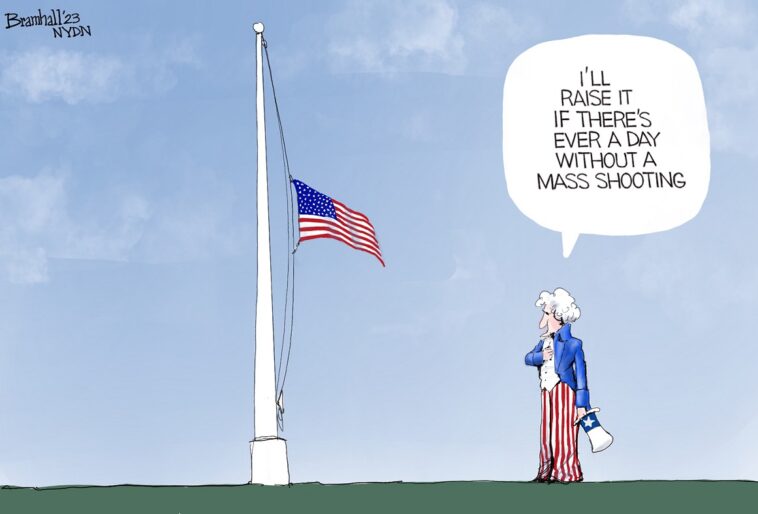
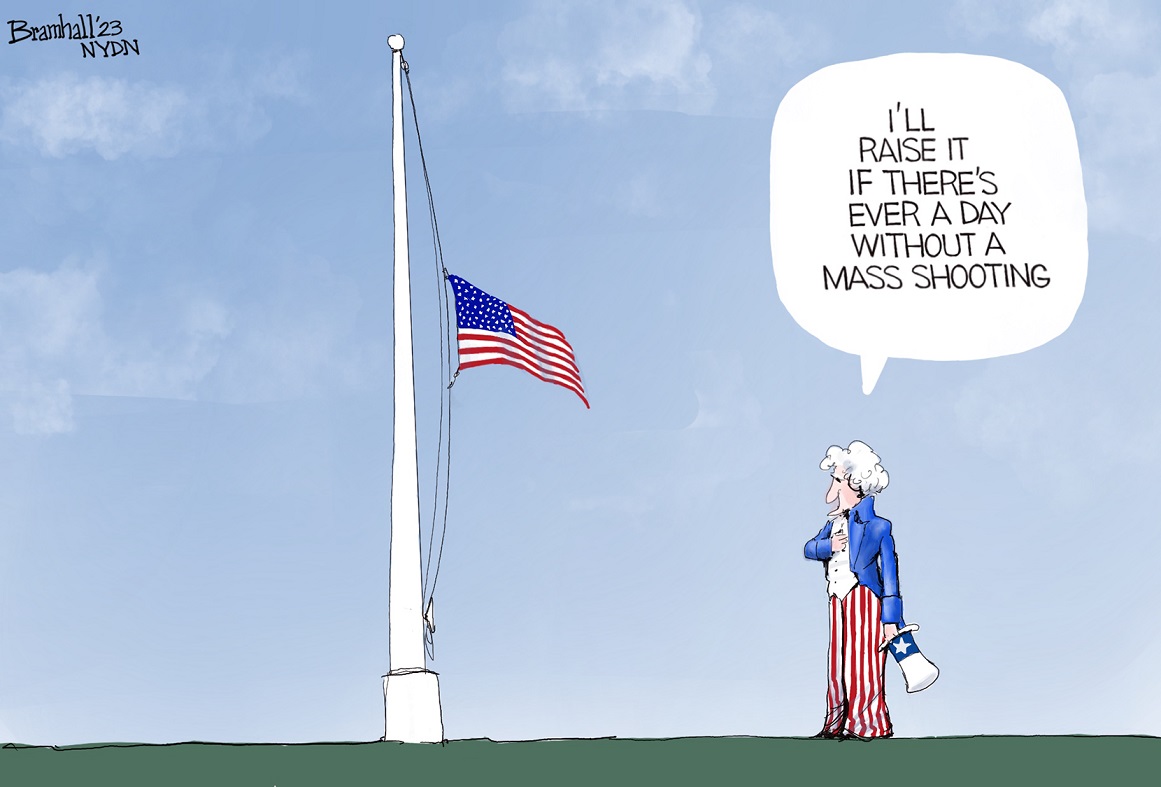
On a seemingly ordinary morning, tragedy struck when a lone gunman entered a Park Avenue office building armed with an assault rifle. The chaotic scene unfolded with surprising swiftness—a series of rapid, dangerous actions that ended in the loss of multiple lives while the shooter ultimately took his own life. Among the fatalities were an off-duty NYPD officer, an investment management executive, a promising young employee from a real estate firm, and an unarmed security guard. The gravity of such loss forces us to grapple with the stark reality that mass violence can erupt in places we consider safe.
The independence of such events from our everyday choices is both jarring and unsettling. Within minutes, everyday concerns are replaced with an atmosphere of mourning and introspection. It is moments like these that underscore the inevitability of tragic events in public spaces, and the unsettling thought that even businesses and private offices are vulnerable to the sudden eruption of violence.
Law enforcement experts and legal analysts have remarked that the shooting might have been “unstoppable” once it began—a reminder that certain violent acts are difficult to contain, owing to their rapid unfolding and the chaotic nature of public spaces. As New Yorkers, we are left with more questions than answers about how communities can possibly prepare for such unpredictable calamities.
Mental Health and Firearm Licensing: Understanding the Dangerous Mix
One of the key threads in understanding the Park Avenue tragedy is the role played by mental health issues and the complications inherent in firearm licensing. According to reports, the shooter had experienced severe mental health challenges, having been involuntarily committed to a Nevada medical facility not once, but twice. Despite these red flags, he was able to acquire a concealed weapons permit—a detail that raises serious questions about the effectiveness of current policies and the inter-state differences in background checks.
This case prompts us to take a closer look at some problematic areas:
- Mental Health Assessments: How do current assessments fail to catch dangerous tendencies or effectively manage individuals with pronounced psychological issues?
- Concealed Carry Permits: What are the gaps, particularly in more lenient states, that allow someone with a troubled record to obtain a permit?
- Interstate Legal Differences: How do differing state laws contribute to the movement of potentially dangerous individuals across borders?
The tensions between an individual’s rights and community safety create a landscape full of problems and tangled issues that are not easily resolved. In some states, concealed carry permits are issued with minimal fuss—often requiring little more than passing a background check that may not fully capture the complexities of a person’s history. When this system is combined with the challenges of identifying and managing mental health issues, the result can be a dangerous confluence where public safety may be compromised.
Below is a simplified table comparing key factors in two states known for their discreet approaches to firearm licensing:
| Factor | Nevada | New York |
|---|---|---|
| Mental Health Review | Often limited; relies on recent involuntary commitments | More comprehensive reviews and regular follow-ups |
| Background Check Detail | Standardized, but may miss nuances | Strict and more detailed analysis |
| Permit Issuance Speed | Relatively fast with minimal hurdles | More rigorous, with multiple layers of approval |
This table is a small glimpse into a larger picture—one that is riddled with tension and full of challenges. It forces us to ask whether current regulations adequately protect our communities or simply provide a temporary bandage on a system that needs a more comprehensive overhaul.
Political Debate and the Search for Accountability
As usual in the wake of a mass tragedy, the conversation in the corridors of power returns to a battle that has been going on for decades: the debate over the Second Amendment. Politicians and pundits alike are quick to offer their thoughts, typically resorting to the same platitudes—“Our thoughts and prayers are with the families” and “Something must be done” being among the most common refrains. However, these expressions of empathy rarely lead to concrete action.
The heart of the matter is that while many of us are fed up with the repetition of such empty words, we are also aware of the tangled issues intrinsic to federal policy-making on gun control. It is hard not to feel frustrated when the same conversation cycles endlessly, with little in the way of pragmatic solutions. The persistent inaction leaves victims’ families in a state of perpetual mourning, as legal and administrative battles smile off the push for change.
For instance, consider a recent episode of political maneuvering in Washington. In an effort to sidestep votes on pressing issues—such as the release of sensitive files that pertain to past misconduct—a Republican leader adjourning the House early for a summer recess sent a stark message about the state of legislative accountability. Such actions only add to the sense that power brokers might be more intent on protecting their own interests than genuinely addressing the public’s concerns.
A brief bullet list of the recurring criticisms from community members might look like this:
- Repeated reliance on thoughts and prayers without substantive policy changes.
- Legislative delays that sidestep urgent votes on gun control measures.
- A persistent disconnect between the real issues in urban safety and political maneuvering.
This dialogue, or rather the lack of change, leaves many feeling that the system is overloaded with problems and loaded with tension—a situation where progress seems as elusive as a perfect solution.
Everyday Life in the Shadow of Gun Violence
Even long before the tragic events on Park Avenue, New Yorkers have long been acutely aware of the delicate balance between routine urban life and the unpredictable dangers that lie just beneath the surface. A seemingly harmless day at a historic stadium, for example, could quickly transform into a nerve-racking experience if conditions suddenly change.
One vivid account from years past recounts a rainy day at an old Yankee stadium. As the game progressed, rain forced players and staff to halt their activities. Despite the changing conditions, fans remained determined to hold out, clinging to the hope that the weather might improve. However, as the match was eventually called off, tens of thousands of spectators found themselves compressed together as they made their way to the narrow exit corridors—a scene that could easily have turned dangerous if panic had set in.
Such experiences underscore several small distinctions in our everyday interactions with public spaces:
- The Vulnerability of Crowded Venues: When large groups are squeezed into tight spaces, the risk of mass injury or panic increases exponentially.
- Infrastructure Limitations: Older stadiums or buildings designed without modern safety standards may not support rapid evacuations in emergencies.
- The Unpredictability of Human Behavior: Even in highly controlled environments, the slightest disruption can create a ripple effect of chaos.
Understanding these little twists in our urban life is critical. They remind us that while we might feel secure in our routines, the practicalities of managing large crowds are often complicated pieces that require constant reevaluation and careful planning.
Media Coverage and Public Perception in the Wake of Tragedy
It is impossible to ignore the role of the media in how the public perceives both isolated incidents and broader trends in violence. In the aftermath of the Park Avenue shooting, headlines have flashed with repeated updates, expert opinions, and a cascade of commentary on both the event and the issues it uncovers. Media outlets have tended to oscillate between lamenting the loss of life and recounting the recurring theme of apologetic sympathy, such as “Our hearts are broken” and “We stand with the victims’ families.”
This repetitive narrative can diminish the urgency of the discussions surrounding policy change. Instead of inspiring a move toward practical reform, it serves to reinforce a cycle where the public is briefly stirred—only to have the momentum fizzle out as attention shifts to the next incident.
Here are a few key observations on the dynamics at play in media coverage:
- The Repetition of Generic Phrases: Regular use of comforting yet ultimately ineffective statements that do not lead to substantial discussion.
- A Focus on Sensationalism: The media often spotlights the dramatic aspects of both minor personal misfortunes and major tragedies, sometimes at the expense of a balanced debate on preventive measures.
- Intertwined Legal and Social Narratives: Coverage sometimes veers into the realm of political theater rather than addressing the small distinctions in policy that could bring about real change.
By providing thoughtful commentary and avoiding the pitfalls of sensationalism, the media can play a key role in poking around at the fine points of these issues. Instead of merely relaying events, a more constructive approach would involve a sincere investigation into how layered legal and social policies are affecting community safety.
Challenges in Curbing Gun Violence Across State Lines
One of the most complicated pieces of the conversation is the reality that New York’s stringent gun laws do not operate in a vacuum. The fact that mass violence can erupt despite rigorous local regulations is a clear indication that the problem extends well beyond state borders. With neighbors in states like Nevada and Texas where concealed carry permits are more accessible and sidearms are as commonplace as cell phones, the ability of angry or troubled individuals to bring dangerous weapons into the city becomes a major concern.
Interstate discrepancies in firearm regulation complicate the process of finding a clear path through the legal maze. Here are some of the trickier aspects of this issue:
- Legal Loopholes: States with lenient laws can inadvertently become sources of firearms for individuals who then travel to cities with strict regulations.
- Enforcement Challenges: Local law enforcement agencies often find themselves with limited ability to enforce laws that extend beyond their jurisdiction.
- Comparative Safety Measures: While New York may enforce safety protocols relatively well, the differences in state-level policies create an uneven playing field.
Below is a concise table summarizing some of the key differences in firearm policies between states:
| Aspect | New York | Texas | Nevada |
|---|---|---|---|
| Permit Process | Intimidating and multilayered | Relatively lenient with fewer bureaucratic steps | Standardized but less stringent than New York |
| Background Checks | Extensive and detailed | Less comprehensive in some cases | Focused mainly on criminal records |
| Mental Health Screening | Rigorous with follow-up requirements | Often based on self-reporting or minimal checks | Dependent on the state’s resources and regulations |
This information illustrates the puzzle-like situation where fine shades of policy differences create opportunities for individuals to exploit loopholes. Until there is a harmonized approach at the national level, cities like New York will likely continue to face the risk of individuals importing dangerous elements from more permissive states.
Legislative Inaction and the Impact on Victims’ Families
Perhaps one of the most nerve-racking aspects of this entire situation is the persistent political stalemate that seems to accompany every tragedy. While our hearts go out to the families affected by each shooting or act of violence, the cycle of “thoughts and prayers” quickly gives way to business as usual in Washington. As politicians offer condolences and then resume the same outdated discussions, families are left to cope with the irreversible impact of lost loved ones—and the public conversation moves on without ever implementing meaningful change.
A closer look at legislative inaction reveals several troubling points:
- Unresolved Debates: Despite decades of discussion over Second Amendment rights versus community safety, the conversation remains largely on edge with little progress in reforming gun control laws.
- Short-Lived Public Outrage: While public sentiment might force temporary discussions, the long-term commitment required for change is frequently absent.
- Prioritizing Political Expediency: Recent maneuvers, such as adjourning important legislative sessions to avoid challenging decisions, suggest that political priorities often do not align with community safety needs.
It is particularly disheartening to witness how frequently these tragedies are met with bureaucratic delays rather than immediate, impactful actions. For the families affected, the legal and political system can seem like little more than a series of confusing bits designed to distract from the real, personal toll of the violence.
Reflections on Community Resilience Amid Uncertainty
Beyond the legal and political debates lies the human element: our community must find a way to live with the reality that life can change in a heartbeat. Whether it is the compressed anxiety of being caught in a crowded exit at a rain-soaked stadium or the unpredictable sequence of events on a city street, the ever-present threat of tragedy forces us all to figure a path forward.
A few thoughts on how community resilience plays a pivotal role include:
- Preparedness and Planning: Investment in infrastructure and emergency preparedness can help mitigate the risk in crowded public venues.
- Community Support Systems: Local groups, neighborhood watch programs, and community initiatives can provide an extra layer of security and a network of care during dark times.
- Transparent Discussions: Encouraging open and honest conversations about the challenges we face—without resorting solely to platitudes—can help foster collective action and understanding.
The unpredictability of life in New York City, as evidenced by these recent events, calls for both community solidarity and sustained advocacy for practical reform. While we may never be able to eliminate all risks, enhancing our ability to respond when things go wrong is a responsibility that society must share.
Digging Into the Legal and Social Dimensions of Gun Violence
A closer look into the tangled issues surrounding gun violence reveals that the problem is not simply about statistics or isolated incidents, but about how laws, policies, and societal attitudes converge to create a hazardous environment. In many respects, the Park Avenue shooting represents not just an isolated lapse but a culmination of multiple factors that, when combined, form an intricate—or rather, a collection of confusing bits—of challenges.
These challenges include:
- Interdisciplinary Legal Limits: The law often struggles to keep pace with the subtle details of new gun technologies and evolving modes of violence.
- Implementation Gaps: Even when new policies are put into place, practical enforcement can be undermined by bureaucratic red tape and legal loopholes.
- Public Education and Awareness: Many citizens remain unaware of the fine points of existing laws—that is, the little details that determine how safely and effectively policies are implemented.
For example, various states have adopted measures that they believe address the key issues of gun violence, yet even the best policies may falter in the face of practical challenges. The discrepancies between what is written in official documents and how laws are enforced on local streets create a dangerous gap that can be exploited by those determined to bypass restrictions.
A simplified breakdown of the legal process might look like this:
| Step in Process | Potential Pitfall | Contributing Factors |
|---|---|---|
| Background Checks | Inconsistent data across jurisdictions | Varying standards; incomplete records |
| Mental Health Assessments | Subjective criteria and limited follow-ups | Resource limitations; legal loopholes |
| Permit Issuance | Relatively fast in lenient states, allowing risky individuals access | Less rigorous oversight; streamlined procedures |
By taking a closer look at each stage in the process, we begin to see just how many little twists and turns contribute to the overall problem. The legal community must continue to work on tightening these processes while finding ways to respect individual rights and safeguard community well-being.
Balancing State Rights and Community Safety
The interplay between state sovereignty and community safety creates a classic legal puzzle full of tricky parts and off-putting challenges. On one hand, states like New York have adopted some of the strictest gun control measures in the nation, while on the other, neighboring states maintain far looser regulations. This discrepancy invites calls to harmonize laws across state lines—a conversation that is both medically and legally on edge.
Key considerations in balancing these aspects include:
- Respect for State Autonomy: Each state has its distinct history and culture that shapes its laws. Any attempt to create uniform regulations must navigate these subtle details with careful sensitivity.
- Community Safety as a Shared Responsibility: Despite differences in state laws, the potential impact of imported firearms on urban areas like New York is a shared concern that calls for broader cooperation.
- Effective Policy Making: Policymakers must work together to create measures that close dangerous gaps without infringing on other legal rights.
A collaborative approach—one that involves local governments, state officials, and federal agencies—can help bridge the tension between state rights and the pressing need for improved community safety. Achieving this balance is critical if we are to reduce the chances of another tragedy occurring in our midst.
Moving Forward: Collective Action in a Time of Uncertainty
The series of events from Forest Avenue’s minor mishaps to the catastrophic mass shooting on Park Avenue provides a moment of reckoning for our community. The continuous cycle of short-term fixes and political inaction is not enough; what we need is a sustained, community-driven plan that both addresses legal shortcomings and builds lasting support systems.
To be clear:
- It is critical that we examine the hidden complexities of mental health evaluations, background checks, and the varying standards of firearm permits across states.
- It is essential that elected officials and community leaders engage in open, honest debates about the off-putting realities of current policies and work together to craft meaningful reforms.
- It is super important that citizens remain informed and involved, demanding not just sympathy, but concrete changes that reinforce our collective safety.
Enhancing public safety in urban areas is a shared obligation that cannot be met by legal rhetoric alone. Instead, it requires proactive engagement—from tighter, more consistent legal frameworks to increased community awareness about safe practices in public venues. Only then can we claim to have truly taken a closer look at the challenges, and begun to find paths to a safer future.
Conclusion: Reflecting on a Fragile Existence
In the end, the complexities of gun violence and legislative inaction remind us that human existence is extraordinarily fragile. Life can shift dramatically in a matter of moments—a fact made painfully clear by the recent tragedy on Park Avenue and the everyday vulnerabilities encountered in crowded stadiums or busy urban streets. This opinion editorial is not merely an account of events; it is a call to action, urging us to peel back the layers of a broken system and work collaboratively for change.
As we reflect on the personal losses and widespread implications of these events, we are confronted with a dual reality: one marked by moments of dark tragedy and another defined by the resilient spirit of our community. It is a balance between mourning and the persistent hope that, through thoughtful inquiry and courageous policy reform, we can address the tangled issues that have long beleaguered us.
Whether through legislative reform, improved community planning, or more effective mental health screening, the few steps we take today can forge a path toward a safer tomorrow. The task ahead involves working through many nerve-racking and intimidating hurdles—a task that, while overwhelming at times, is too critical to delay. Every dialogue we initiate, every policy we revise, paves the way for a society that values every life just a little more.
In these trying times, it is essential that as a community we refuse to settle for ambiguous platitudes. Instead, we must channel our collective energies into building frameworks that proactively protect our neighborhoods and ensure that, when tragedy does strike, the lessons learned are not lost in the corridors of political complacency. Our future depends on it.
Let us all commit to staying informed, involved, and relentless in the pursuit of meaningful reform. After all, the safety of our communities and the sanctity of life itself are non-negotiable. There is no simple fix to these issues, but by taking a closer look at both the legal bits and everyday realities, we can begin to steer through a path that leads us away from repetitive cycles of sorrow and toward a future built on resilience, accountability, and hope.
Originally Post From https://www.silive.com/news/2025/08/mass-shootings-unstoppable-from-the-editor.html
Read more about this topic at
Mass shootings . . . unstoppable? | From the editor
Grateful. Inspired. Unstoppable. 🧡💙 The 5th Annual Anti- …