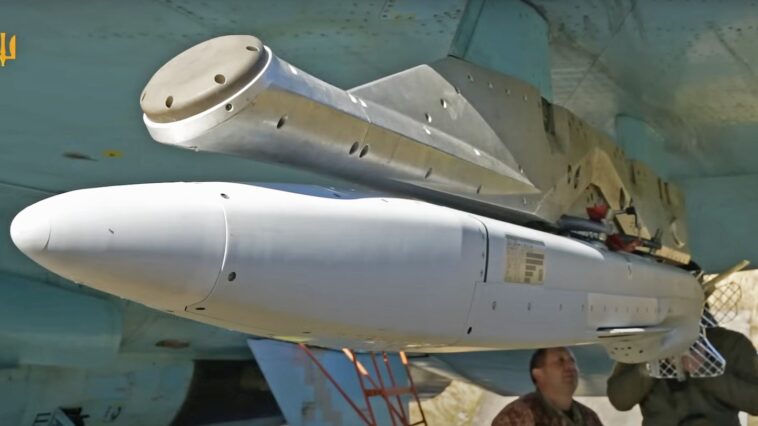
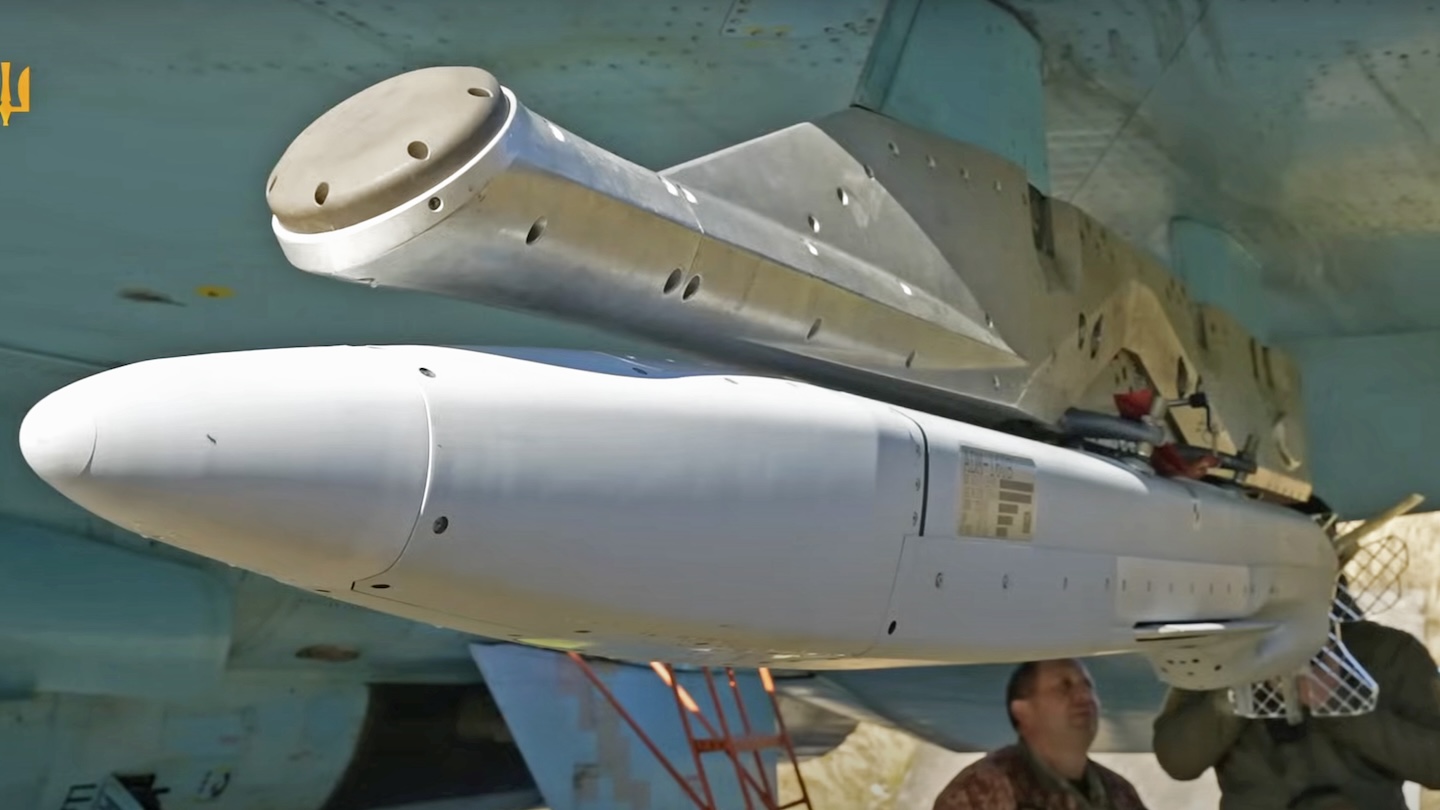
Introduction: A New Era in Military Strike Capabilities
In recent months, an increasing number of defense experts and political analysts have been keeping a close watch on the developments surrounding the United States’ Extended Range Attack Munition (ERAM) program. This initiative, which involves the transfer of thousands of ERAM missiles to Ukraine, signals a transformative period in standoff warfare capabilities. At a time when the tactical environment is full of problems and twisted issues, the ERAM program represents both a promising tool for bolstering Ukraine’s ability to hit targets from a safe distance and a challenging balancing act for policymakers.
This opinion editorial takes a closer look into ERAM’s strategic implications, production efficiency, and the evolving military dynamics of the Ukrainian conflict. We will also consider the tricky parts of integrating advanced technology into a complex and politically loaded framework, addressing questions such as financial accountability, the extent of operational flexibility, and future scalability. By exploring these topics, we aim to offer a neutral viewpoint on the policy decisions and technical factors that determine the success of such advanced munitions.
Extended Range Attack Munition: Strategic Implications for Ukraine
The recent approval by Washington to supply Ukraine with over 3,350 ERAM missiles represents a key turning point in the regional conflict. The ERAM package, valued at roughly $850 million and financed to a large extent by Ukraine’s European allies, is designed to rapidly deliver an affordable mass weapon to the battlefield. While the missile’s range is estimated between 150 and 280 miles, some sources suggest that its air-launched nature could eventually be extended. However, officials caution that using these weapons to strike targets deep within Russian territory will require high-level clearance from the Pentagon.
The significance of ERAM lies in its potential to deliver precision strikes while keeping launch platforms safely away from dangerous enemy air defenses. By offering Ukraine a longer-reaching standoff capability compared to conventional bombs and short-range missiles, ERAM missiles allow Ukrainian forces to target key enemy facilities—such as command posts, logistical depots, and airfields—without direct exposure to counterattacks. This enhanced capacity is paramount to Ukraine’s military strategy, as it must constantly balance the need to inflict damage on adversary positions with the imperative of protecting its pilots from overwhelming enemy defenses.
Production Efficiency and Cost Considerations of ERAM Missiles
One of the most striking aspects of the ERAM initiative is its focus on speedy production and cost efficiency. The program is understandably designed to be relatively inexpensive and quick to manufacture compared to more sophisticated systems. Crucially, an RFP issued by the U.S. Air Force hinted that ERAM should be produced at a rate that allows for 1,000 missiles to be built within two years—averaging about 42 missiles every month. This target may sound nerve-racking given the technical challenges involved, but it signals the U.S. military’s super important interest in scalable, mass-producible weapons.
A closer look at the funding and industrial collaborations behind ERAM reveals several notable points:
- Cost Efficiency: The overall ERAM package is valued at approximately $850 million, with a substantial portion provided by European allies. This international collaboration underscores the shared interest in maintaining military balance in the region.
- Rapid Production Goals: The expectation to complete 1,000 units in two years indicates a push towards systems that are easy to manufacture and deploy en masse.
- Industrial Partnerships: Companies such as CoAspire and Zone 5 Technologies are actively involved in multiple related projects, suggesting that government procurement is pooling expertise from various sectors. This collaboration helps ensure that the missile designs are both adaptable and sufficiently robust.
A simplified table outlining the key production and cost factors is provided below:
| Factor | Details |
|---|---|
| Cost | Approximately $850 million for 3,350 missiles |
| Production Rate | Target of 1,000 missiles within two years (~42 missiles per month) |
| Key Industry Partners | CoAspire, Zone 5 Technologies among others |
| Funding Sources | Predominantly financed by European allies with U.S. government oversight |
These figures show that while the weapon system is engineered to fill an important operational gap, its production is also a learning opportunity for both the U.S. and its allies as they gather experience in building mass-deployable standoff munitions.
Approval Challenges and Policy Restrictions on Long-Range Targets
Despite the promise of ERAM, its deployment does not come without challenges. One of the more confusing bits in the overall discussion revolves around policy restrictions on launching long-range strikes against targets deep inside Russian territory. According to unnamed U.S. officials, stringent measures have been in place that limit Ukraine’s use of certain systems, such as the Army Tactical Missile System (ATACMS). For months, U.S. authorities reportedly prohibited Ukraine from using these long-range weapons, citing concerns about escalating the conflict.
This careful control over target selection illustrates the delicate political balance that lawmakers face. On one hand, it is key for Ukraine to have a robust standoff capability to hold highly strategic targets like command centers and logistics hubs. On the other, enabling such deep strikes may risk further inflaming tensions between NATO and Russia. Some of the tricky parts of this balancing act include:
- Escalation Risks: Allowing deeper strikes might lead to unintended consequences and force a rapid escalation.
- Strategic Ambiguity: Officials must manage a range of conflicting international interests, creating a environment that is full of problems and politically loaded with tension.
- Authorization Protocols: The requirement for high-level approval before a strike adds another layer of bureaucratic oversight, complicating the decision-making process.
The policy challenges related to ERAM underscore that military efficiency and technological prowess alone cannot dictate operational parameters. The finer details around target selection, accountability, and international law will continue to add layers of complexity to the debate.
Comparative Analysis: Standoff Munitions in the Ukrainian Conflict
It is instructive to compare ERAM with other precision-guided munitions that have been deployed in the ongoing conflict. Ukraine’s arsenal has traditionally included weapons like the Joint Direct Attack Munition-Extended Range (JDAM-ER) and Small Diameter Bombs (SDB), which have effective ranges of roughly 40 to 45 miles. Additionally, Ukraine has acquired longer-range cruise missiles such as the United Kingdom’s Storm Shadow and France’s SCALP-EG, both boasting ranges in the vicinity of 300 miles.
The following bullet list highlights the differences between these systems:
- JDAM-ER/SDB: Typically used for shorter-range sorties (around 40–45 miles), these weapons have served as the backbone of Ukraine’s precision strikes.
- Storm Shadow/SCALP-EG: With ranges of about 300 miles, these cruise missiles offer extended reach but are limited in number.
- ERAM: Expected to provide a middle ground between affordability, production speed, and extended range capabilities, potentially allowing strikes up to 280 miles or more, though operational parameters remain under scrutiny.
ERAM’s distinctive mix of broad production goals, cost efficiency, and moderate range positions it as a complementary platform to the previously available systems. In a scenario where volume and rapid deployment are key, ERAM appears to be designed for an era of high-volume, standoff capable tactics—a necessity given the overwhelming number of targets and the need for extensive coverage without risking combat assets.
Cooperative Efforts: U.S. Military and Allied Contributions
The development and deployment of ERAM missiles have not occurred in isolation. Instead, they are part of a broader collaborative effort among U.S. defense contractors, the U.S. military, and allied nations. Alongside established giants like Lockheed Martin, newer players such as Anduril and Kratos are also making significant inroads into this growth area.
Companies like CoAspire and Zone 5 Technologies have been actively engaged in related projects, including both the Enterprise Test Vehicle (ETV) and the Rapidly Adaptable Affordable Cruise Missile (RAACM) programs. Their involvement not only reinforces the idea that ERAM is a critical component of modern warfare but also suggests that the technological know-how gathered here could eventually influence other defense projects.
These cooperative efforts can be outlined as follows:
- Modernization of Production: Multiple companies are collaborating to develop and test prototypes for readily producible missile designs.
- Shared Technological Innovation: Joint projects between the Air Force and Navy encourage the sharing of technical expertise, which is crucial when dealing with the trickier parts of new technology.
- Broader Strategic Interests: While ERAM is specifically aimed at enhancing Ukraine’s defensive and offensive options, the underlying technology may find applications in future U.S. and allied operations, including potential high-end conflicts.
The convergence of diverse defense industrial players around a common objective reinforces the idea that developing weapons like ERAM is as much about collaboration as it is about innovation. This cooperation benefits not only Ukraine but also the broader international community tasked with maintaining global security.
Operational Flexibility and the Role of Air-Launched Systems
The operational flexibility of ERAM is one of its most compelling features. Designed primarily as an air-launched munition, ERAM might soon be adapted to other launch modalities. This flexibility is crucial for Ukraine, where a diverse fleet of aircraft—including legacy models like the MiG-29, Su-24, Su-27, and even second-hand F-16s—must work together to strike efficiently without exposing the aircraft to heavy enemy fire.
This adaptability is especially significant in a combat environment rife with confusing bits and unexpected twists. Air-launched systems typically benefit from the following advantages:
- Reduced Risk to Aircraft: Launching from a distance allows pilots to avoid highly defended areas, thus preserving critical combat assets.
- Enhanced Tactical Options: Air-launched munitions provide a range of strike profiles, enabling forces to adapt quickly to shifting battlefield conditions.
- Platform Versatility: The potential to integrate ERAM with multiple aircraft types increases overall mission flexibility and operational resilience.
Such flexibility is essential in a scenario where every tactical decision can mean the difference between success and failure. The design approach of ERAM aims to deliver a super important capability that can be tailored to meet a spectrum of operational needs, from rapid air-to-ground attacks to potentially even integrating with layered defense systems on the ground or sea.
Electronic Warfare and the Challenge of GPS-Degraded Environments
One of the little details that cannot be overlooked in the ERAM discussion is its need to function reliably in GPS-degraded environments. Russian forces have proven adept at deploying electronic warfare systems that can disrupt satellite guidance, thus jeopardizing the effectiveness of many precision-guided munitions. ERAM’s internal navigation system is required to be robust enough to operate even when GPS signals are compromised.
This requirement brings with it several operational concerns:
- Resilience in Adverse Conditions: The missile must remain accurate even in the presence of severe electromagnetic interference (EMI), a common condition near modern, networked battlefields.
- Enhanced Technology Integration: The development of internal navigation systems that can get around GPS challenges is a fine point that illustrates the convergence of software and hardware innovation in modern military systems.
- Mitigation of Electronic Countermeasures: Adapting to environments that are both non-EMI and high EMI is key, as failure to counter these threats could reduce a missile’s terminal accuracy and mission effectiveness.
Given these requirements, defense contractors are hard at work to ensure ERAM is both precise and reliable under the most pressured conditions. The challenge is not just to produce a missile but to create a system that can work in a highly unpredictable and electronically contested environment—a challenge that is both intimidating and full of problems.
Impact on Ukrainian Military Tactics and Future Conflict Scenarios
From a tactical perspective, the introduction of ERAM into Ukraine’s arsenal could prove to be a game changer. With extended reach and the potential to operate at lower altitudes, ERAM missiles offer Ukrainian pilots a significant strategic advantage in minimizing the risk to aircraft while still being able to hit targets that were previously out of reach.
Ukrainian military planners now have the opportunity to reconfigure their strike strategies to include long-range, precision-guided munitions that can address targets ranging from enemy command posts to critical logistical hubs. The increased standoff capability offers several key benefits:
- Extended Reach: ERAM provides an ability to hold key enemy assets at risk from a safe distance.
- Operational Surprise: The longer range increases the number of potential targets, complicating the enemy’s defensive planning.
- Enhanced Survivability: By enabling lower altitude launches and varied flight profiles, the missile reduces exposure to hostile air defenses.
These factors collectively contribute to a more dynamic and responsive battlefield posture. In the context of Ukraine’s ongoing struggle against overwhelming forces, having a weapon system that can be scaled and adapted rapidly is super important. It may well be the case that in high-tension scenarios, the ability to manage your way through a labyrinth of enemy defenses with weapons like ERAM will determine the overall course of the conflict.
Moreover, the introduction of these long-range capabilities may also prompt shifts in enemy tactics. Russian forces might be forced to rethink their logistical and command structures if they know that key assets could be struck at long distances. Consequently, ERAM is not only a tactical asset but a strategic deterrent that could influence adversary behavior in the long run.
Looking Ahead: Implications for U.S. Military Strategy and Future High-End Conflicts
Beyond the immediate impact in Ukraine, the ERAM initiative holds broader strategic significance for the U.S. military, particularly as the nation anticipates the possibility of future high-end conflicts. With adversaries such as China emerging as potential competitors in advanced military technology, the ability to produce and field scalable, affordable, and effective standoff weapons becomes a key part of long-term defense planning.
Some critical aspects that are worth taking a closer look at include:
- Scalability in Production: Rapid production capabilities, similar to the goal of building 1,000 ERAM units in two years, are essential if the U.S. is to maintain a competitive edge in future conflicts.
- Cost-Effective Modernization: As defense budgets come under increasing scrutiny, the need for weapons that offer a good balance between performance and price is more pronounced than ever.
- Adaptability in Operational Use: Experience gained from deploying ERAM in Ukraine can feed into future programs, solidifying a robust doctrine around long-range precision strike capabilities.
A table summarizing the potential implications for U.S. strategy is presented below:
| Strategic Consideration | Implication for Future Conflicts |
|---|---|
| Rapid Production | Ability to quickly scale up stockpiles in response to emerging threats |
| Cost Efficiency | Enhanced affordability and sustainability of long-range weapons programs |
| Flexible Deployment | Adaptation to different facets of warfare, from low-intensity conflicts to high-end adversarial engagements |
| Technological Innovation | Development of robust navigation and guidance systems resilient to electronic interference |
Ultimately, the lessons learned from the ERAM program could have far-reaching consequences. The experiences gathered on tactical deployment, rapid production methods, and collaborative innovation could well inform the development of next-generation systems designed to maintain U.S. military superiority in future high-stakes confrontations.
Emerging Domestic Technologies in Extended Range Capabilities
In parallel with ERAM’s developments, Ukraine is also making strides in developing its own long-range precision guided munitions. Recent public announcements have highlighted domestically produced systems such as the Flamingo ground-launched cruise missile and the Long Neptune variant. These systems are designed to provide extended range capabilities that further enhance Ukraine’s ability to challenge adversarial maritime and ground targets.
The Flamingo missile, with claims of a range exceeding 1,800 miles, and the Long Neptune—an evolution of the proven Neptune anti-ship missile with extended range—illustrate the country’s commitment to bridging the gap between legacy systems and cutting-edge weaponry. While it remains to be seen how these domestic projects will interact with U.S.-supplied systems like ERAM, their existence underscores a broader trend towards increased self-reliance and innovation within Ukraine’s defense sector.
Key points regarding domestic technology enhancement include:
- Extended Range Capabilities: Innovative projects are promising significant range extensions, potentially reshaping Ukrainian military strategy.
- Integration with Western Systems: There is significant interest in ensuring that domestic innovations can be interoperable with U.S. and European systems.
- Boosting Tactical Options: More options translate into a greater ability to counter diverse threats, from naval engagements to deep-strike air operations.
These emerging domestic capabilities complement the ERAM program by further broadening the spectrum of available standoff weapons. Although the technical details still involve some confusing bits regarding production schedules and exact operational roles, the overall direction signals a shift towards a hybrid approach that combines imported and indigenous technologies in response to evolving security challenges.
Final Thoughts: Weighing Policy, Technology, and Regional Stability
The evolution of ERAM missiles and the broader context of long-range precision munitions in Ukraine raise a host of important questions that go well beyond technical specifications or production timelines. At the heart of the matter is how to effectively balance military necessity with complex policy restrictions, all while managing the hidden complexities inherent in international arms deals.
On one side, the introduction of a cheaper, easier-to-produce standoff munition such as ERAM represents a highly attractive proposition, particularly for a nation whose survival may hinge upon its ability to hit key enemy targets without handing over operational control. On the other side, the politically charged environment—full of twists and turns—and the need to comply with strict policies regarding deep strikes create a scenario where every technical advantage must be weighed against broader strategic consequences.
The ongoing collaboration between U.S. defense contractors, international allies, and Ukraine’s own defense industry reflects a modern defense paradigm defined not by isolated technological breakthroughs, but by cooperative efforts aimed at meeting practical operational needs. The fluidity of the situation requires military planners to continuously figure a path through unexpected challenges, manage hidden details with precision, and adapt to rapidly shifting global tensions.
As the ERAM program matures and additional details are revealed—be it regarding GPS resilience in high electronic interference settings, rapid production benchmarks, or broader strategic restrictions—the entire international community will be watching how these new tools are integrated into battlefield operations. For Ukraine, ERAM offers a critical—if not entirely unconstrained—opportunity to reshape its military strategy, while for the U.S. and its allies, the program represents an ongoing experiment in delivering mass, cost-effective, and adaptable precision strike capabilities.
Ultimately, the current trajectory implies that the key to future military success may not be found solely in the development of advanced weapons systems, but in the art of working through tangled issues, resolving the little twists, and finding your way through a maze of technical and political challenges. Such an approach is, without a doubt, essential in ensuring that innovations like ERAM contribute not only to immediate battlefield advantages but also to long-term regional stability.
As observers and policymakers continue to poke around for the best methods to enhance military readiness, it is clear that no single system can solve all the complicated pieces of modern warfare. Instead, a holistic strategy that blends rapid technological production with flexible policy frameworks and robust international cooperation will be required. In this regard, ERAM may well serve as a case study for how to produce and deploy standoff munition technologies that can adapt to the unexpected—a super important capability in today’s volatile geopolitical landscape.
In conclusion, while the ERAM initiative may come with its share of nerve-racking challenges and politically loaded constraints, its potential to bolster Ukraine’s anti-access/area denial capabilities and drive forward future U.S. military modernization efforts is clear. As history has taught us, each innovation on the modern battlefield brings not just increased firepower but also prompts defensive adversaries to modify their own tactics—a reminder of the continuous, cyclical nature of military innovation and counter-innovation.
In the end, the conversation around ERAM encapsulates the high stakes of contemporary defense strategy: balancing cost efficiency with production scalability, technical adaptability with stringent policy oversight, and immediate tactical needs with long-term strategic vision. Even as critics debate whether ERAM’s deployment might inadvertently escalate tensions further, there is no denying that this new generation of standoff munitions represents an essential evolution in how conflicts are fought in the 21st century.
By staying alert to both the operational benefits and the policy challenges associated with these weapons, military enthusiasts, defense policymakers, and the broader international community can better prepare for a future where the ability to hit targets from a safe distance is not merely an option, but a necessity for survival.
Originally Post From https://www.twz.com/air/ukraine-will-receive-first-of-thousands-of-new-u-s-made-standoff-missiles-in-the-coming-weeks
Read more about this topic at
Standoff weapon
Ukraine Will Receive First Of Thousands Of New U.S. …