
Judicial Decisions and the Fight for Fair Evidence in Criminal Trials
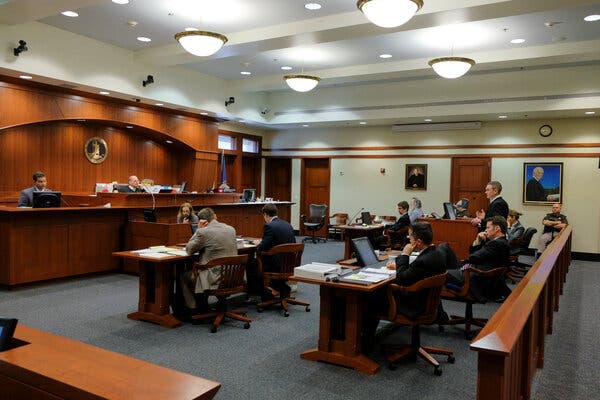
The recent decision by an Onondaga County judge to block the late introduction of gang affiliation evidence in a high-profile double homicide case has sparked heated debate among legal professionals and observers alike. In this opinion editorial, we take a closer look at how the timing of evidence submission, the shifting theories of a prosecution, and the interplay of legal strategy all combine to shape the outcome of criminal trials. This discussion is not only about one case in Syracuse but also reflects on the broader challenges faced by the judicial system when trying to find your way through tricky parts of legal evidence handling.
When prosecutors attempt to introduce evidence at a late stage, questions immediately arise about fairness, transparency, and whether the public’s trust in the legal process is protected. This article will dive in, examine the details of the case involving LaShawn Dixon, Donnell Thornton, and Jamel Weston, and address the issues surrounding the introduction of evidence linking them to gang activities, all while using everyday language to summarize the key legal maneuvers.
Background of the Case
In the summer of 2022, two individuals—Alexis Sellin, 32, and Jami Crawford, 46—were tragically murdered in an apartment on Burnet Avenue in Syracuse. The actions of the accused have cast a long shadow over the community, primarily because the alleged crime left a disabled child alone with the bodies for three agonizing days. Around the time of these murders, the investigation took a significant turn as prosecutors sought to introduce evidence that the accused were not mere criminals operating independently but rather members of the notorious 110 gang.
According to the indictment, the trio allegedly carried out a robbery that ended in a double homicide. Prosecutor Alphonse Williams, grappling with a tale that he admits is built largely on circumstantial evidence, saw an opportunity to strengthen his case with additional evidence of gang membership. However, this move ignited controversy and legal debate, raising several questions about the timing, relevance, and authenticity of such evidence.
Timing and the Introduction of Gang Affiliation Evidence
Late Evidence Submission and Its Impact on Trial Fairness
The most prominent concern in this case is the timing of the evidence submission. Critics argue that introducing such evidence only weeks before a trial, after multiple delays, amounts to a courtroom surprise that undermines the defense’s ability to prepare. Defense attorney Ken Christopher pointed out that the application to present evidence of gang membership was not just late—it was an inappropriate maneuver designed to shift the theory of the case at a critical moment.
This incident illustrates the twists and turns that occur when prosecutors try to make their case fit a new narrative without having disclosed all relevant details in a timely manner. The delay has raised concerns about whether the prosecution is adequately following New York’s discovery laws, which require that all evidence be shared promptly with the defense. The rules are clear: evidence must be turned over well before trial to avoid any unfair advantage.
Legal Framework for Evidence Submission
Under American law, the prosecution is expected to reveal all discovery evidence in a timely and transparent manner. The defense relies on these norms to prepare a robust strategy, which becomes increasingly challenging when new elements are introduced at the last minute. Here is a summary of key points regarding evidence submission:
- Timeliness: Evidence must be provided with enough time for the defense to review and counter its potential impact.
- Transparency: All parties in a trial should have full access to evidence that may influence the jury’s decision-making process.
- Fairness: Late submissions can skew the balance of the trial, making it difficult for the defense to refute unexpected claims.
The judge’s decision to bar the new evidence underscored the principle that fairness in trial is not negotiable. The court’s primary responsibility is to protect the defendant’s right to a fair trial and ensure that the evidence set before the jury is one that both sides had adequate opportunity to examine.
Implications for the Criminal Justice System
Changing Theories: The Shifting Narrative in Prosecution
Prosecutor Williams’ desire to connect the accused to gang membership represents a significant pivot in the case. Initially, the indictment focused purely on the act of home invasion and the resulting murders. By introducing gang affiliation, the prosecution sought to imply that the crime was not random but part of a larger tapestry of gang-related violence and drug trafficking.
This strategic shift is seen by many legal experts as an attempt to compensate for the weaknesses inherent in a case built on circumstantial evidence. Defense attorney Christopher has argued that there is no solid evidence linking the defendants to gang activities. In his view, the prosecution’s sudden change is an effort to paint the accused as part of a larger criminal network without providing concrete proof.
Such maneuvers leave legal observers wondering whether this approach benefits the quest for truth or simply distorts the facts. With the judge’s ruling, the courtroom was reminded that theories based on speculative connections should not override the need for reliable, timely evidence. This debate is a reminder of the fine line between solid legal strategy and aggressive tactics that might compromise the integrity of the trial process.
Effects on Defendant Rights and The Right to a Fair Trial
At the heart of this case lies a fundamental question: How much leeway should prosecutors have when deciding to introduce new evidence? The answer is crucial to ensuring that defendants get a fair trial. Defense attorney Michael Kazmarek, representing Thornton, voiced concerns that the sudden introduction of such evidence without clear, supporting documentation unfairly surprises the defense. The practice of withholding key details or introducing them late runs the risk of shifting the focus away from the facts of the crime into murky waters riddled with uncertainty.
Judges, like Onondaga County’s Judge Matthew Doran, bear the heavy responsibility of balancing the state’s interest in prosecuting crimes with the defendant’s constitutional rights. In making his decision, Judge Doran emphasized that clear, documented connections—such as affidavits or recorded conversations—are essential before any testimony about gang ties is admitted into evidence. His ruling sends a powerful message: that the defense must be given every chance to respond to the specific claims made by the prosecution.
Understanding the Tactics Behind Evidence Delays
Legal Strategy Versus Evidence Integrity
The case at hand is a textbook example of how strategic maneuvers in the courtroom can challenge the integrity of the trial process. When the prosecution introduces new evidence at a late stage, it may seem like a clever tactic to strengthen their case. However, such moves can be perceived as an attempt to misguide the jury by introducing confusing bits of information without solid backing. The absence of formal documentation or witness affidavits connecting the accused to the 110 gang left many questioning the substance of this evidence.
Here are some of the critical factors that highlight the tension between strategic legal tactics and evidence integrity:
- Delayed Disclosure: Providing evidence just weeks, or even days, before trial undermines the defense’s ability to form adequate rebuttals.
- Changing Theories: Abrupt shifts in the narrative raise concerns about whether the new evidence is part of a larger strategy to redefine the facts of the case.
- Incomplete Evidence: Without detailed documentation, critical connections remain unproven, making it difficult for the jury to assess the true value of the evidence.
Legal experts have noted that such tactics, intentionally or not, put the entire trial process at risk of devolving into a game of guesswork where the accuracy of evidence takes a back seat to narrative construction. In scenarios like these, it is paramount that courts insist on a high standard of proof and secure timely disclosure to ensure justice is served.
Discovery Laws and Their Role in Protecting Defendants
New York’s discovery laws are designed to ensure that the defense has full access to all potentially exculpatory or inculpatory evidence. These laws are there to prevent any side from gaining an upper hand by revealing new evidence at the last minute. In this case, however, the defense expressed serious concerns that around 200 photographs, which had previously been declared irrelevant, were suddenly repurposed as evidence to suggest high-level involvement in the drug trade.
The discovery process is intended to be a transparent sharing of information. The law stipulates that:
- Evidence must be exchanged in a timely manner.
- All parties should have adequate time to analyze materials.
- Procedural fairness is key to avoiding surprises that can jeopardize the integrity of the trial.
When these protocols are not adhered to, the legal process can become intimidating for defense teams, who are expected to piece together a response to suddenly revealed evidence. This challenge demonstrates the importance of following established procedures to maintain the credibility and fairness of criminal trials.
The Role of Gang Affiliation Evidence in Criminal Trials
Assessing the Relevance of Gang Membership Claims
One of the most contentious issues in this case is the attempt to link the accused to gang activities. Gang affiliation evidence is not common in trials unless it is directly relevant to establishing motive or linking disparate elements of an investigation. In this instance, the prosecution contends that evidence of gang membership would tie the defendants together and explain their motive. However, the defense argues that there is no verified connection between the crime and known gang-related activities.
When evaluating evidence of this nature, courts typically look for the following:
- Direct Linkages: Clear and documented evidence connecting the defendants to a gang organization.
- Contextual Relevance: Evidence that demonstrates how the gang affiliation influences the commission of the crime.
- Corroborating Testimonies: Reliable statements from credible witnesses that substantiate the alleged membership and its implications.
In this case, the supposed testimony from a 110 gang member was never properly introduced or disclosed, leaving a gap in the evidence that the defense readily exploited. Without proper documentation—such as an affidavit or a recorded statement—the connection between the accused and the gang remains conjectural at best. The decision by Judge Doran to disallow this testimony reinforces the need for concrete proof when making claims about gang affiliation.
Historical Use of Gang Evidence in the Courtroom
Historically, the use of gang affiliation evidence in the courtroom has been a minefield of complications. Courts have often grappled with the risk that such evidence can lead to prejudice against the defendants, even when the factual basis for the admission of evidence is weak. In cases with similar accusations, judges have had to balance the potential for such evidence to explain a motive against the possibility that a jury might give undue weight to the idea of a pervasive criminal network.
In a notable earlier case prosecuted by Williams, extensive gang evidence was allowed in an enterprise corruption trial. That decision, while legally valid, ignited further debate about consistency in the application of evidence standards. Critics argue that while gang affiliations might be admissible in some contexts, their use must be meticulously substantiated, especially when it risks overshadowing the direct facts of the crime.
Public Perception and Legal Integrity
Trust in the Justice System and the Role of Transparency
Beyond technical legal debates, cases like these have significant implications for public trust in the justice system. When evidence is introduced in a manner seen as untimely or strategically manipulative, it can undermine confidence in the legal process. Members of the public often wonder whether shifting prosecution tactics represent a genuine reassessment of the facts or a strategic ploy to secure a conviction.
Transparency is essential to counter these doubts. The public must be able to see that each step in the judicial process is governed by clear rules designed to ensure fairness and accountability. To that end, legal professionals and the judiciary must work together to ensure that all evidence, especially evidence as potentially prejudicial as gang affiliation, is handled according to strict legal protocols.
A few critical aspects that help bolster public trust include:
- Clear Rulings: Judges must provide detailed explanations for their decisions, so the reasoning appears fair and justified.
- Equal Opportunity: Both sides must have the chance to present and challenge evidence, preventing one-sided narratives.
- Consistent Procedures: Upholding discovery laws and procedural norms reinforces the legal process’s integrity.
These factors contribute to a system where the jury is left to decide the fate of a case based solely on evidence that has met strict standards of admissibility.
Community Response and the Broader Implications for Law Enforcement
The unfolding of this case in Syracuse resonates far beyond the courtroom. It reflects a broader dialogue about law enforcement practices and community accountability. A community’s reaction to alleged gang ties in a crime can be intense, and any hint that legal procedures have been compromised may erode public confidence in justice and safety.
It is important to recognize that while law enforcement agencies work tirelessly to ensure that criminal investigations yield results, they must also adhere to procedural fairness. Efforts to introduce evidence at the last minute risk being interpreted as shortcuts rather than legitimate clarifications of the case. In cities like Syracuse, where public sentiment towards crime and justice is often charged, such procedural debacles can have lasting impacts on community trust.
This case not only forces legal professionals to weigh the subtle details of admissibility and timing but also reminds community members that every piece of evidence must be scrutinized. Only by insisting on thorough and timely disclosure of all relevant facts can law enforcement maintain the delicate balance of enforcement and justice.
The Defense Perspective: Ensuring Every Defense is Heard
Challenges Faced by Defense Attorneys
For defense attorneys like Ken Christopher and Michael Kazmarek, the late introduction of evidence poses a series of nerve-racking challenges. Their primary concern is to ensure that their clients receive a fair trial, free from the overwhelming impact of suddenly introduced, unverified evidence. The defense’s argument has been consistent: without detailed documentation linking the accused to the gang, such evidence does nothing more than shift blame based on speculative connections.
Working through these challenges, defense teams must quickly “figure a path” that allows them to dismantle the prosecution’s shifting narrative. Their task involves:
- Scrutinizing Evidence: Requesting formal affidavits, recorded conversations, or any tangible document that can verify the claims of gang affiliation.
- Ensuring Timely Disclosure: Demanding that all evidence, especially the kind that could redefine the context of the crime, be shared well before trial.
- Countering Prejudice: Educating the jury about the risks of relying on speculative or improperly introduced evidence.
These steps are critical to protect the rights of the accused and to maintain the integrity of the judicial process. Defense attorneys emphasize that their role is not merely to challenge the prosecution, but to ensure that every little twist and every controversial claim is thoroughly vetted and backed by solid proof.
Balancing Legal Strategies and Public Opinion
Defense attorneys are keenly aware that legal strategies have ripple effects, influencing how the public perceives both the accused and the justice system. When the prosecution’s case is built on late evidence or shifting theories, it risks turning the trial into a battle over narrative rather than fact. The defense’s insistence on clear and timely disclosure is not just a legal strategy; it is a call for accountability from a system that must remain transparent.
This balance is critical because excessive reliance on late or poorly substantiated evidence creates a trial environment that is as intimidating as it is confusing—for both the defense and the ordinary citizens following the case. Legal professionals stress that change is super important in ensuring that justice is not only done, but seen to be done, by both the courtroom and the community at large.
Reflections on the Future of Evidence Handling in Criminal Cases
Moving Toward More Transparent Practices
The decision in this case is a reminder that the criminal justice system must continually refine its evidence handling practices. Courts across the nation need to be vigilant in adhering to established discovery protocols and ensuring that any departure from these standards is fully justified and supported by robust evidence. As prosecutorial strategies evolve, so too must the procedures that safeguard the integrity of jurisprudence.
Some potential measures that could help improve transparency and fairness include:
- Stricter Discovery Deadlines: Implementing fixed timelines for the release of evidence can reduce surprises in the courtroom.
- Enhanced Documentation Standards: Requiring detailed affidavits and certifications when evidence is introduced late can help verify its authenticity.
- Regular Judicial Reviews: Periodic assessments by judges of evidence handling practices can ensure that both the prosecution and the defense are operating on a level playing field.
Such measures would not only protect the rights of the accused but also promote a higher degree of trust in the judicial process. When the public sees that courts are actively managing and scrutinizing evidence with great care, confidence in the system’s fairness is likely to be restored and maintained.
Lessons for Prosecutors and Defense Teams
Prosecutors and defense teams both stand to gain crucial lessons from this case. For prosecutors, the incident underscores that changing theories on the fly and relying on untimely evidence can backfire, potentially undermining an otherwise compelling case. It is essential that any claims regarding gang affiliation or other serious charges be supported by clear, documented evidence from the outset.
For defense attorneys, this episode is a call to remain vigilant and proactive. Ensuring that evidence is shared in a timely manner and that any late submissions are rigorously challenged is key to safeguarding their clients’ rights. Both sides must work through the process of sorting out evidence and legal claims to ensure that the trial ultimately reflects the true facts rather than a mix of speculative assertions.
Here’s a breakdown of the lessons learned:
| Lesson | Implication for Legal Practice |
|---|---|
| Timely Evidence Disclosure | Ensures that both sides can prepare adequately and prevents surprises in court. |
| Solid Documentation | Prevents speculative claims from unduly influencing the jury. |
| Consistency in Evidence Handling | Maintains public trust in the legal system and fair trial standards. |
| Clear Judicial Oversight | Ensures that any deviations from standard procedures are weighed carefully. |
Both sides must continue to take the wheel when it comes to ensuring that the justice process remains transparent, accountable, and just.
Broader Reflections on the Integrity of the Justice System
Community Expectations and the Legal Process
At its core, the justice system is meant to serve the community by ensuring that every trial is conducted smoothly, fairly, and with respect for the constitutional rights of all involved. When unexpected evidence is introduced without adherence to established legal protocols, it not only disrupts the courtroom dynamics but also sows seeds of doubt among the public.
Citizens expect that prosecutors will adhere to the rules, and that judges, like Judge Doran in this case, will be vigilant in examining every piece of evidence. Moreover, communities want assurance that every twist and every complicated piece of evidence will be scrutinized for its reliability before it is allowed to influence the outcome of a trial.
The current case serves as a cautionary tale: it shows that even when the stakes are high—as in a double homicide trial involving alleged gang involvement—there can be a tendency to rely on unfounded evidence. The system must be aware of these pitfalls and work diligently to cleanse them out of the process.
Balancing the Scales: Ensuring Fairness for All Parties
A fair trial is founded on the balanced presentation of both prosecution and defense evidence—a balance that can be upset when one side introduces unverified evidence at the last minute. For the community and the legal profession alike, this balance is nerve-racking to see disrupted, particularly when it comes at the cost of undermining the principle of innocence until proven guilty.
The scales of justice depend on every participant being given the opportunity to present their case fully and on equal terms. In this context, the judge’s recent decision reinforces that no party should be allowed to leverage startling, uncorroborated evidence to tilt the scales unjustly. Such rulings fortify the legal process against potential manipulations, preserving the sanctity of courtroom procedures.
This situation also offers valuable insights into the importance of pertinent legal reforms aimed at ensuring procedural rigor. Reforms could include mandatory expert reviews of late evidence submissions and stricter safeguards to prevent evidence from being retroactively repurposed to support shifting theories.
Conclusion: A Call for Consistent Legal Practices and Transparent Evidence Handling
The recent ruling in the double homicide case in Syracuse resonates as much more than a mere legal technicality—it is emblematic of the broader struggle to maintain integrity and fairness in our criminal justice system. By disallowing the late introduction of gang affiliation evidence, Judge Doran sent a strong signal that shortcuts in evidence disclosure will not be tolerated. This decision serves as a reminder that all legal claims must be supported by concrete proof and presented according to established timelines.
Both the prosecution and the defense must now take a closer look at the fine points of evidence management. For prosecutors, the challenge is to build a case on a rock-solid foundation of documented and timely evidence. For defense attorneys, it is important to challenge any attempt to alter the narrative without proper substantiation. Alongside these legal teams, judges must act as steadfast guardians of procedural fairness.
In the final analysis, the public deserves a system where evidence is handled with precision and transparency. The tensions arising from this case illustrate the need for continued reform and vigilance in discovering the truth behind every claim. As legal professionals, community leaders, and members of the public, we all have a role in ensuring that the justice system remains a fair and just arena for resolving the most severe allegations.
Let this case be a stepping stone towards legal processes that are more streamlined, less intimidating, and immune to the pressures of shifting narratives. In doing so, we honor the principle that every individual deserves a fair trial—one that is not overshadowed by untimely, speculative, or unsubstantiated evidence.
In conclusion, as the case moves forward with jury selection and the critical process of examining evidence, it is imperative that our legal system keeps its eyes fixed firmly on the principles of fairness and transparency. The lessons learned here could help shape future prosecutions and judicial decisions, ensuring that every twist and turn in the courtroom is navigated with careful scrutiny and an unwavering commitment to justice.
Legal integrity is not only built through the outcome of a single trial but by continuously upholding the rules that prevent surprises in the courtroom. It is a process that demands that everyone—from prosecutors to defense attorneys and judges—remains accountable to the highest standards of fairness. Only through such efforts can we hope to maintain public trust and work through the tangled issues that define our criminal justice system.
As we move forward, let this case remind us all that every little detail in the evidence handling process is super important. By insisting on detailed, documented, and timely presentations of all evidence, the legal system can better protect the rights of individuals, foster a fair trial, and ultimately reinforce the bedrock of justice itself.
Originally Post From https://www.syracuse.com/crime/2025/09/judge-shuts-down-prosecutors-late-attempt-to-paint-men-accused-of-double-homicide-as-gang-members.html
Read more about this topic at
When is Gang Evidence Admissible in a Criminal Trial?
Gang Membership Does Not Prove Intent to Kill