The Intersection of U.S. Gun Laws and Gaming Culture: A Closer Look
Recent public discourse has increasingly focused on the tangled issues arising from the intersection of relaxed American gun laws and the nation’s passionate video gaming culture. Notably, financial analyst and technology commentator Bindu Reddy has raised concerns on social media regarding the potential risks associated with these seemingly disparate domains. Reddy’s commentary invites us to explore not only the obvious risks but also the subtle details that are often overlooked when discussing the effects of these policies on society.
While the U.S. stands apart for having permissive firearm regulations compared to many other developed nations, it concurrently nurtures a thriving gaming industry that spans everything from immersive first-person shooters to intense multiplayer online battle arenas. This juxtaposition generates heated debates about whether the environment is loaded with problems that could lead to harmful consequences in real-world behavior from individuals influenced by gaming content.
Examining the Potential Consequences of Relaxed Firearm Policies
At the heart of the conversation lies the peculiar mix of easy access to firearms and a digital gaming environment known for its realistic depictions of violence. Observers point out that:
- Many Americans are exposed to video game content that simulates violence with high levels of realism.
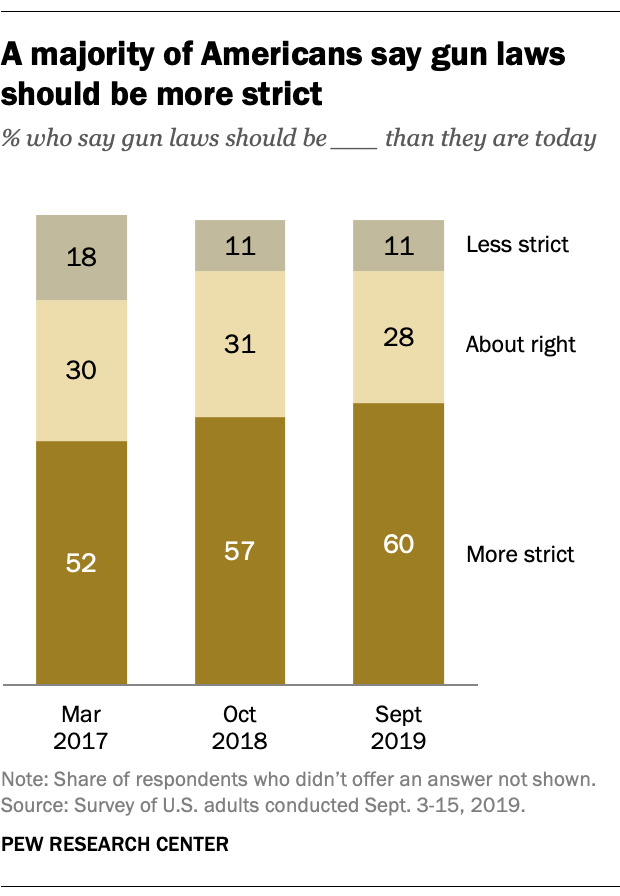
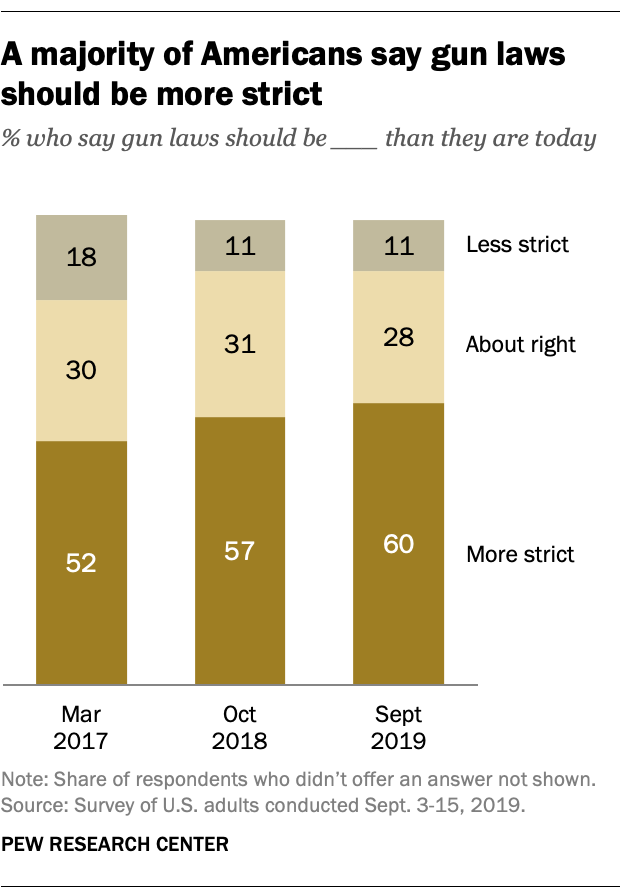
- Gun laws in the U.S. are among the most relaxed in the developed world, presenting fewer barriers to the acquisition of firearms.
- There is an ongoing debate about whether exposure to these digital simulations contributes to a replication of violent scenarios in the real world.
This delicate debate is far from simple. It involves tricky parts and hidden complexities that demand that we assess both the established research and anecdotal evidence from everyday observation. Critics argue that with a more permissive legal approach to guns, any shifts in societal behavior may well be influenced by the kinds of violent content seen in popular games. Yet, many experts also note that there is little concrete evidence to directly link video game exposure to actual violent behavior in a straightforward manner.
Understanding the Role of Video Games in Social Dynamics
The gaming industry has evolved into a massive cultural phenomenon that reaches millions of people worldwide. As a digital playground, gaming offers a mix of entertainment and a space where players indulge in intense experiences that may sometimes mirror real-life scenarios.
This space is rather full of problems when it comes to clearly identifying a linear impact on behavior. For many, gaming remains a harmless escape from the stresses of everyday life. The industry’s creative processes are deeply intertwined with technological growth, social change, and even shifts in cultural norms. In practice, the “complicated pieces” include:
- The storytelling elements in games that mirror societal issues and conflict.
- The establishment of virtual communities that blend entertainment with social networking.
- The ethical questions raised by highly immersive narratives and realistic, sometimes brutal, action sequences.
While Reddy’s observations add momentum to these debates, it remains unclear how much influence a video game’s animated violence might have when paired with the easy availability of firearms. What is apparent, however, is that society is still trying to figure a path through these discussions, weighing potential risks against traditional freedoms and cultural shifts.
Anticipating the Impact: Policy Debates and Societal Concerns
One of the most nerve-racking debates revolves around the idea that current policies regarding both firearms and interactive digital media could inadvertently contribute to an environment where the risks are compounded. In many policy circles, scholars and lawmakers now suggest that it is critical to analyze:
- How regulations can be effectively reformed to address the modern challenges posed by digital media and technology.
- What lessons might be gleaned from other countries that have managed to balance a passion for gaming with stricter firearm laws.
- Whether the current legal framework adequately protects communities from unintended consequences.
This conversation is particularly pressing in an era where the rapid growth of technology has outstripped the ability of regulatory frameworks to find their footing. Legislators are now tasked with making updates that consider these subtle parts of modern society. Critics of the status quo argue that failing to adjust policies could leave communities exposed to unacceptable risks.
Drawing Parallels with Other Regulatory Domains
To fully comprehend the situation, it helps to take a closer look at similar discussions in other areas of regulation. Consider, for example, the fast-paced realm of emerging technologies—such as artificial intelligence—that have also been described using phrases like “new AI model Seadream 4” in discussions emphasizing breakthroughs in tech.
Here, we see a scenario where cutting-edge technology is as much a reflection of social change as it is a driver of it. The concept of ‘vibe coding,’ another term frequently mentioned alongside these technological advancements, illustrates the delicate balance between technological innovation and its subtle effects on individual behavior. In offers a parallel to the debate over video game violence and firearm policies, the introduction of sophisticated tech tools is often loaded with both excitement and legitimate concern.
Tech enthusiasts admire the speed, efficiency, and transformative capabilities of these new systems, while critics worry that their rapid implementation could outpace the regulations designed to protect public safety and privacy. Much like the debate over video gaming and gun laws, the discussion around new AI systems is full of small distinctions that must be carefully weighed and thoroughly analyzed.
Finding a Path Through Overwhelming Challenges
Society today is forced to make its way through a maze of legal, technological, and cultural issues all at once. The conversation about video games and gun laws is part of a broader dialogue about how to reconcile individual freedoms with community safety. In working through these issues, stakeholders are debating several key topics:
- The balance between free expression in gaming and the need for responsible content regulation.
- Effective methods for evaluating and improving firearm regulations without undermining constitutional rights.
- The potential contributions of tech innovations to better manage or even predict risky behaviors.
Many experts suggest that taking a closer look at adjacent regulatory challenges can offer valuable insights. For instance, examining how European nations manage similar digital and legal intersections could help American policymakers figure a path that incorporates both tradition and necessary innovation.
Merging Cultural Priorities with Technological Innovation
One of the critical challenges in discussing gun laws and gaming culture lies in merging cultural priorities with technological innovation. With rapid advancements such as the breakthrough new AI model Seadream 4 and the growing appreciation for what Reddy refers to as ‘vibe coding,’ there is a sense that technology mirrors cultural trends even as it drives them.
As the digital world continuously transforms our interactions and perceptions, determining what constitutes acceptable behavior becomes a more complicated puzzle. Interested parties on both sides of the debate are working through issues such as:
- How technology can be harnessed to monitor and mitigate potential real-world risks associated with violent digital content.
- The ways in which high-speed trading, enhanced by new tech, may serve as a model for balancing innovation with responsibility.
- The potential for integrating advanced analytics to guide legislative changes in both the digital and firearms realms.
In this context, Reddy’s commentary should be seen as part of a larger and ongoing discussion about how technology and culture interact in ways that are both transformative and, at times, concerning. All stakeholders—from tech innovators to lawmakers and community leaders—are tasked with finding a balanced approach that benefits society while mitigating risks.
Comparative Perspectives: Insights from International Practices
An opinion editorial on this subject would be incomplete without acknowledging the valuable lessons available from international perspectives. Countries with stricter gun laws and robust cultural guidelines related to media violence provide an interesting contrast to the U.S. model. Those nations offer examples of:
- How regulated gun control policies can coexist with vibrant multimedia and gaming industries.
- What structured frameworks look like when they are adapted to modern technological advancements.
- The extent to which public safety and cultural engagement can be simultaneously maintained in a well-balanced policy environment.
By contrasting these approaches with the American model—where gun laws are minimal and gaming culture is ubiquitous—one can appreciate the myriad small twists and turns that shape regulatory outcomes. The lessons drawn from Europe and other regions suggest that a multi-faceted approach, which considers both the spirited passion of gamers and the imperative for tighter firearm controls, may offer a template for future legislation in the U.S.
Risks and Rewards: Weighing the Melting Pot of Culture and Policy
When trying to figure a path through the intricate interplay of policy and culture, it is useful to list out the potential risks and rewards. A comparative table might help in clarifying the competing aspects:
| Aspect | Potential Rewards | Associated Risks |
|---|---|---|
| Relaxed Gun Laws | Enhanced individual freedoms; easier self-defense; cultural emphasis on personal rights | Potential for increased misuse; challenges in enforcement; societal safety concerns |
| Vibrant Gaming Industry | Technological innovation; immersive entertainment; strong community building | Exposure to violent imagery; potential reinforcement of harmful behaviors; influence on youth |
| Technological Innovation (AI, Vibe Coding) | New methods for risk quantification; improved regulatory oversight; predictive capabilities | Nerve-racking pace of change; risk of data misuse; regulatory lag |
This table illustrates that while there are clear advantages in a society that prizes freedom and innovation, there are also inherent dangers involved. Assessing these risks and rewards involves a balanced discussion that includes both factual analysis and the subjective opinions of experts from various fields.
The Impact of Digital Media on Traditional Concepts of Violence
One cannot ignore the weight of cultural influences when considering the interplay between digital media and traditional views of violence. Video games have unquestionably reshaped perceptions of conflict and confrontation. Their realistic depictions can sometimes amplify the intensity of the experience, thereby creating an environment where the lines between animated scenarios and real-life behaviors seem blurred.
This area is rife with annoying tricky parts for those who are trying to evaluate cause and effect. While some researchers assert that gaming is purely an outlet for stress relief and creative expression, others maintain that the fine points of these interactive experiences could subtly condition vulnerable individuals to be more accepting of real-world violence. As the debate continues to gain momentum, it is important to question whether current research approaches can adequately capture these small distinctions.
Although no definitive links have been drawn by mainstream studies, the constant interplay between media consumption and behavioral trends remains full of problems. The topic invites us to a series of introspective questions such as:
- How does prolonged exposure to digital violence shape real-world perceptions?
- Are current educational and parental guidance methods sufficient to steer through the vast digital landscape?
- Could targeted technological interventions help sift through the nerve-racking amount of digital content for more positive alternatives?
These queries remain relevant as both lawmakers and cultural commentators, including Reddy, call for a closer examination of the effects that digital media may have on everyday life. Ensuring that society finds a stable middle ground between creative freedom and responsible consumption is a key challenge for the decades to come.
Exploring Policy Adaptations: A Critical Look at Potential Reforms
The evolving debate over gun laws and gaming culture naturally leads to questions about policy adaptations that might better serve a modern, technologically advanced society. Lawmakers are increasingly pressed to manage your way through legal reforms that take into account not only the traditional concerns regarding public safety but also the subtle details of digital consumer culture.
In tackling this task, several initiatives are being considered by policymakers and advocacy groups alike. These include:
- Comprehensive Data Analysis: Leveraging big data and advanced analytics to understand correlations between media exposure and public behavior.
- Regulatory Overhauls: Reassessing current gun laws with an eye to integrating stricter controls while respecting individual rights.
- Enhanced Educational Campaigns: Promoting digital literacy to help consumers better figure a path in discerning realistic portrayals from harmful narratives.
- Technology Integration: Encouraging the use of sophisticated algorithms and AI (like the breakthrough Seadream 4 model) to monitor digital content and flag potentially dangerous material.
These strategies illustrate the essential need for an integrated approach to address both the legal and cultural components of this debate. The objective is to establish a regulatory framework that is both flexible enough to embrace innovation and strong enough to protect society from real dangers.
Community Voices and Industry Responsiveness
Public sentiment also plays a significant role in how policies evolve. In today’s interconnected environment, community voices are louder and more influential than ever before. Social media platforms, online legal journals, and public forums serve as arenas where concerns over issues like relaxed gun laws and the aggressive portrayal of violence in gaming can be openly debated.
Many community members express apprehension about the potential consequences of leaving either domain unchecked. The discussions are often full of problems, tangled issues, and subtle details that everyday citizens find both intriguing and occasionally overwhelming. Speaking as informed commentators, we must consider:
- The role of social media in shaping public perception and policy debates.
- The responsibility of industry leaders to both innovate and protect society.
- The importance of honest, evidence-based dialogue to bring around sensible reform across all layers of society.
This level of engagement not only pressures lawmakers to consider the intricate fine points of their legislative proposals but also challenges industry players to be more receptive to evolving cultural standards and emerging technologies.
Revisiting the Importance of ‘Vibe Coding’ and Technological Breakthroughs
Outside the standard debate on gaming and gun culture, emerging discussions have increasingly showcased the role of technology in societal changes. The concept of ‘vibe coding’, for instance, is being championed as a key tool in understanding how technology can both reflect and influence behavioral trends. Frequently mentioned in discussions alongside the new AI model Seadream 4, vibe coding is seen as a means to capture the subtle details and slight differences in digital behavior.
Its proponents argue that vibe coding could one day divert potentially risky interactions by embedding safety features directly into the digital content consumption process. By analyzing patterns that hint at real-world behavioral inclinations, such tools may offer preemptive measures to safeguard users. However, opponents warn that reliance on such innovation must be tempered with careful oversight to avoid issues like data privacy breaches and the risk of over-regulation.
Here, the challenge is to steer through the maze of technological developments while maintaining enough flexibility to let innovation flourish. The stakes are high, as any interruption in this delicate process could detract from the creative energy that drives technological breakthroughs and cultural evolution.
The Cultural and Legal Landscape: An Ongoing Narrative
The story of U.S. gun laws and gaming culture is not a new one. It is an ongoing narrative that reflects the broader evolution of American society—a rich tapestry of individual rights, cultural expression, and innovative prowess. The conversation, as shaped by voices like Bindu Reddy’s, is continuously evolving as new evidence and societal experiences feed into the debate.
There exists an ever-present tension between preserving freedoms and ensuring that the community does not fall prey to dangerous trends. This tension is visible in every facet of American society, from headline-grabbing legislative proposals to the everyday experiences of citizens interacting in both real and digital worlds.
In working through these discussions, it is essential that all involved parties remain focused on finding a balanced approach. The goal is not to stifle innovation or undermine long-held rights but to institute changes that ensure that progress does not come at the expense of public safety and well-being.
The Role of Independent Journalism in Shaping Public Discourse
Independent journalism plays a super important role when it comes to providing clarity on issues that are as slippery and multifaceted as the ones at hand. Editorial voices in respected legal and financial platforms work diligently to present both sides of these debates with transparency, aiming to shed light on the small distinctions and subtle details that often determine policy outcomes.
This kind of reporting is especially necessary in times when the public must find its way through an overload of information. Journalists focused on these topics help steer through overwhelming narratives by emphasizing evidence-based analysis and thoughtful commentary. Their objective is to guide readers in making sense of convoluted legal and societal changes, ensuring that all opinions are balanced and every potential risk is clearly articulated.
Perspectives on Regulation in a Digital Age
As digital transformation continues at a nerve-racking pace, regulating this rapidly evolving space remains one of the most challenging and complicated pieces of governance. Lawmakers are increasingly faced with the task of forming policies that account for settings where traditional regulatory frameworks often fall short. The fusion of digital media and robust cultural habits underscores the need for creative and flexible legislative approaches.
This evolving landscape has several key angles worth highlighting:
- Consumer Protection: Addressing vulnerabilities in digital and physical markets alike requires that regulators deploy state-of-the-art tools to monitor and guide market behavior.
- Industry Accountability: Both the gaming sector and firearm retailers must adhere to high standards of transparency, fairness, and ethical practice.
- International Benchmarking: In our ever-connected world, learning from global practices can bolster domestic policy with richer perspectives on how to manage both digital content and gun safety.
By examining these multifaceted concerns, one can appreciate that managing your way through these pressing issues is a task that demands both collaborative effort and innovative thinking from all sectors of society.
Community Consensus and the Road Ahead
The national conversation over the impact of relaxed gun laws and immersive gaming is one that extends across various segments of society. Public discourse, fueled by opinions posted on platforms like Twitter by figures such as Bindu Reddy, has spurred communities, policymakers, and tech innovators to come together in search of workable solutions to shared problems.
The road ahead is undeniably challenging, full of twists and turns, and punctuated by significant debates. To chart a clearer course, it might prove useful to consider the following steps:
- Broader Research Initiatives: More comprehensive studies linking digital media exposure and behavioral outcomes are needed to dispel myths and highlight real challenges.
- Public-Private Partnerships: Collaborative efforts between governmental agencies, tech companies, and community groups can help create a safer digital space while respecting cultural heritage.
- Legislative Transparency: Clear and open communication from policymakers can help the public understand why specific legal measures are being introduced, ensuring robust debate and civic involvement.
- Consumer Education: Empowering citizens with the knowledge to discern between digital drama and real-world risk could prove instrumental in building a culture of conscious consumption.
This multi-pronged approach may not only address the current challenges but also lay the groundwork for policy adjustments responsive to future technological and cultural trends. As society continues to wrestle with the impact of immersive digital environments, there remains a strong need for solutions that protect individual freedoms while promoting communal safety.
Concluding Thoughts: Balancing Freedom, Safety, and Innovation
In conclusion, examining the crossing paths of U.S. gun laws and video gaming culture reveals a landscape that is simultaneously exhilarating and off-putting. The conversation is full of small distinctions and nerve-racking details that invite both critical reflection and creative policy solutions. Voices like Bindu Reddy’s underscore the importance of taking a closer look at these issues—a call that resonates deeply in an age characterized by rapid technological advancement and shifting cultural priorities.
The challenge for society is to steer through these contentious topics without sacrificing core freedoms or leaving public safety by the wayside. The debate is not merely about choosing sides but rather about crafting a nuanced framework that comfortably accommodates both advanced digital innovation and sensible, responsible regulation.
By using measured and balanced discourse, stakeholders have the opportunity to dig into these debates and craft solutions that serve the broader community. As the discussion evolves, it will be crucial for all parties—from independent journalists and tech experts to legislators and everyday citizens—to continue refining their approaches, ensuring regulations adapt in step with society’s ever-changing landscape.
Additional Reflections on Market and Cultural Impacts
The influence of shifting policies extends far beyond the immediate communities directly affected by them. The market, for instance, is another arena where the implications of these debates become glaringly apparent. In the trading world, investors and brokers alike are acutely aware of the risks associated with highly volatile environments—similar to those spawned by relaxed regulations or unchecked digital content.
Observing market dynamics, one can draw parallels between the financial sector and cultural debates. Just as traders must figure their way through nerve-racking market conditions, policymakers and cultural critics are tasked with managing their way through equally unpredictable societal shifts. Both situations require a deep understanding of the fine points and subtle details that drive outcomes, reaffirming the broader need for thoughtful, measured approaches in all sectors of society.
Step-by-Step Considerations for Policy Makers
For policymakers striving to address these dual challenges effectively, a structured step-by-step approach can be beneficial. Such an approach might include:
- Assessment of Existing Frameworks: Start with a thorough review of current gun laws and regulations relevant to media consumption. Identify areas where the current framework might be ill-equipped to handle modern challenges.
- Consultation with Experts: Engage with professionals across fields—from legal experts and sociologists to tech innovators and gaming industry veterans—to get a rounded view of the issues.
- Proposal of Incremental Reforms: Instead of sweeping changes that might be overwhelming, propose gradual adjustments that allow society to get around new challenges while monitoring their impacts.
- Implementation of Pilot Programs: Test new policies in controlled environments to evaluate their success before rolling them out on a larger scale.
- Ongoing Review and Adaptation: Monitor the outcomes closely and be ready to make further modifications once preliminary results are available.
This process ensures that any policy shift does not come across as an overly intimidating leap but is instead seen as a well-thought-out strategy that respects both individual rights and collective safety.
Reaffirming the Essential Role of Independent Analysis
Independent analysis remains a critical component in shaping a balanced public dialogue on issues such as these. By providing a neutral space for evaluating the many tricky parts of modern policy challenges, independent legal and financial journals contribute to a more informed public. They also encourage a healthy skepticism, pushing policymakers to consider the full spectrum of impacts—from the obvious to the fine, yet significant, hidden complexities.
In this light, contributions from thought leaders and independent experts continue to be a must-have resource for anyone interested in the evolution of societal norms in the digital age. Their work helps shine light on subtle aspects of policy debates that might otherwise be overlooked in rushed political discourse.
Final Considerations: Looking Towards a Balanced Future
The conversation about U.S. gun laws and gaming culture embodies a broader challenge: how to create a future where technological advancement and respecting individual freedoms coexist without compromising societal well-being. This issue is not merely academic. It affects everyday lives, influences market conditions, and shapes the cultural narrative.
The future is likely to involve further refinements in both legal policy and technological innovation. As we work through these demanding issues, it is essential to remember that no single solution will serve all interests perfectly. Instead, a mosaic of thoughtful debate, incremental reforms, and continuous oversight will be key to balancing freedom, safety, and progress.
Summary of Key Takeaways
In summary, the debate triggered by the intersection of relaxed gun laws and a booming gaming culture is layered, nuanced, and charged with both possibilities and risks. Here are the key takeaways that have emerged from this discussion:
- Complex Interplay: The coexistence of permissive firearm regulations and intense video gaming creates an environment loaded with potential risks as well as opportunities for innovation.
- Policy Complexity: Legislators face a nerve-racking challenge in finding a path through outdated legal frameworks while accommodating the fast pace of digital media and technological growth.
- Technological Influence: Emerging innovations like the Seadream 4 AI model and the concept of vibe coding serve as reminders that technology both reflects and drives cultural transformation.
- Need for Balanced Reform: A multi-faceted approach, including comprehensive data analysis, policy testing, and community engagement, is crucial for navigating these tricky parts of modern regulation.
- Role of Independent Media: Objective, independent journalism remains essential for sorting out the fine shades of such debates, enabling informed public discourse.
Closing Remarks
The debates surrounding U.S. gun laws and the implications of a robust gaming culture will undoubtedly continue to evolve. As communities, policymakers, and industry leaders work together, it is imperative to keep discussions constructive and focused on realistic, evidence-based solutions. While the challenges are numerous and full of problems, there is hope that through collaboration and thoughtful intervention, society can balance the dual imperatives of protecting individual freedoms and ensuring the overall safety of its members.
Ultimately, the conversation invites all stakeholders to get into a deeper dialogue, appreciate the subtle details, and work towards policies that mirror both our cultural values and our technological potential. Only by maintaining an open and balanced dialogue can we ensure a future that is both innovative and secure.
Disclaimer
The contents of this opinion editorial are for informational purposes only and do not constitute legal or investment advice. Trading in financial markets, including Forex, CFD, and cryptocurrencies, involves substantial risks and may result in significant financial loss. Readers are encouraged to seek professional advice before making any financial decisions.
Additionally, the views expressed herein represent the personal opinions of the author based on currently available information and are subject to change as additional data emerges. While every effort has been made to ensure the accuracy of the information presented, the author and the publication cannot be held liable for any errors or omissions, nor for any losses or damages arising from the use of this content.
For further details on risk management, please refer to official government publications or consult with a professional advisor.
Originally Post From https://tradersunion.com/news/market-voices/show/517717-us-gun-laws-gaming/
Read more about this topic at
Officials warn of ‘Senior Assassin’ game risks …
Colorado authorities warn students against “risky gun …