Competitive Shooting, Legal Challenges, and the Second Amendment Today
The competitive shooting world, with its blend of heritage and modern technology, offers a fascinating glimpse into the evolving landscape of firearms activities. Recent events, such as the 2025 NRA National High Power Rifle OTC Championship held at the Winnequah Gun Club in Lodi, Wisconsin, illustrate not only the precision and skill of participants like Kenny Lankford but also highlight the interplay between state and federal gun regulations and the rights guaranteed by the Second Amendment. In this opinion editorial, we take a closer look at the event, the technology and equipment involved, and the legal framework that surrounds competitive shooting in the United States.
The competitive arena in Lodi was more than just a display of marksmanship; it was a showcase of how tradition, legal rights, and modern electronic systems converge to create an environment that is both challenging and full of legal and regulatory twists and turns. As participants and organizers alike work through the tricky parts of balancing competitive fairness with compliance, the event stands as a microcosm of the larger cultural and legal debates surrounding firearms in America.
Technology in the Firing Line: Merging Tradition With Modern Electronic Systems
At the heart of the championship was a newly installed Shotmarker electronic target system. This system revolutionized the way scores were recorded and verified by offering instant, precise feedback throughout the grueling weeklong competition. Beyond its role as a tool for fair scoring, the system underscores the broader legal implications of modern technologies in vital public events.
Electronic scoring through state-of-the-art systems minimizes the possibility of disputes over scores and helps ensure that tactical competitions run smoothly. However, it also presents administrators with some complicated pieces when it comes to maintaining compliance with data privacy standards and addressing potential technical glitches. This overlap of technology and regulation is a great example of how the little details—from software calibration to data storage security—can affect the smooth running of an event that is both competitive and legally sensitive.
Some of the benefits and challenges associated with implementing electronic target systems include:
- Precision and fairness: Real-time scoring minimizes human error.
- Data integrity: Secure storage of results must ensure privacy and transparency.
- Technical reliability: The system must work flawlessly under intense light and weather conditions.
- Regulatory compliance: Meeting both state and federal data protection standards creates some tricky parts that organizers must address continually.
From a legal perspective, integrating such technology requires event organizers to work closely with IT experts to ensure all regulatory guidelines are met. The resulting balance of innovation and legal compliance reflects the broader challenges faced by industries where technology and regulation intersect.
Legal Perspectives on Competitive Shooting and Firearm Rights
Events like the NRA High Power Rifle Championship continue to be a source of heated legal debates in today’s environment of state and federal gun laws. While the competition itself is a celebration of precision and sportsmanship, the underlying legal framework that supports such events is often loaded with issues and potential legal controversies.
An essential part of the discussion involves understanding how competitive shooting fits within the broader scope of Second Amendment rights. Advocates argue that these events embody the spirit of self-defense and constitutional rights, whereas critics may point to the challenges of regulating the sale, ownership, and use of high power firearms. As the legal community digs into the subtle details of gun regulation in America, a few key points emerge:
- The constitutional foundation: Competitive shooting events are deeply rooted in the principles established by the Second Amendment.
- State versus federal roles: Different jurisdictions have their own sets of rules that create a layered and sometimes overlapping regulatory environment.
- Public safety concerns: While enthusiasts consider these events as a celebration of freedom, critics raise questions regarding safety and liability in densely populated communities.
- Technological implications: The use of electronic systems and sophisticated equipment adds another layer where data and privacy regulations might come into play.
Legal scholars and policy makers are asked to figure a path that respects the heritage of competitive shooting while ensuring that modern safety and privacy standards are met. As the debate continues, it is clear that the legacy of competitive shooting in America is as much a legal battleground as it is a sporting event.
Rifle Configurations: Balancing Tradition, Performance, and Legal Considerations
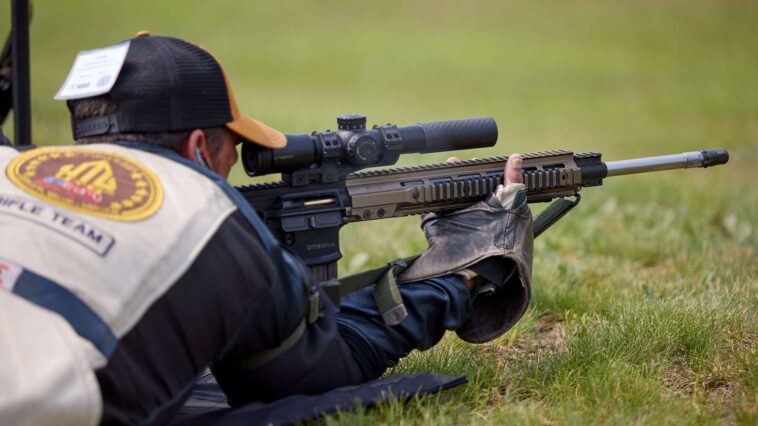
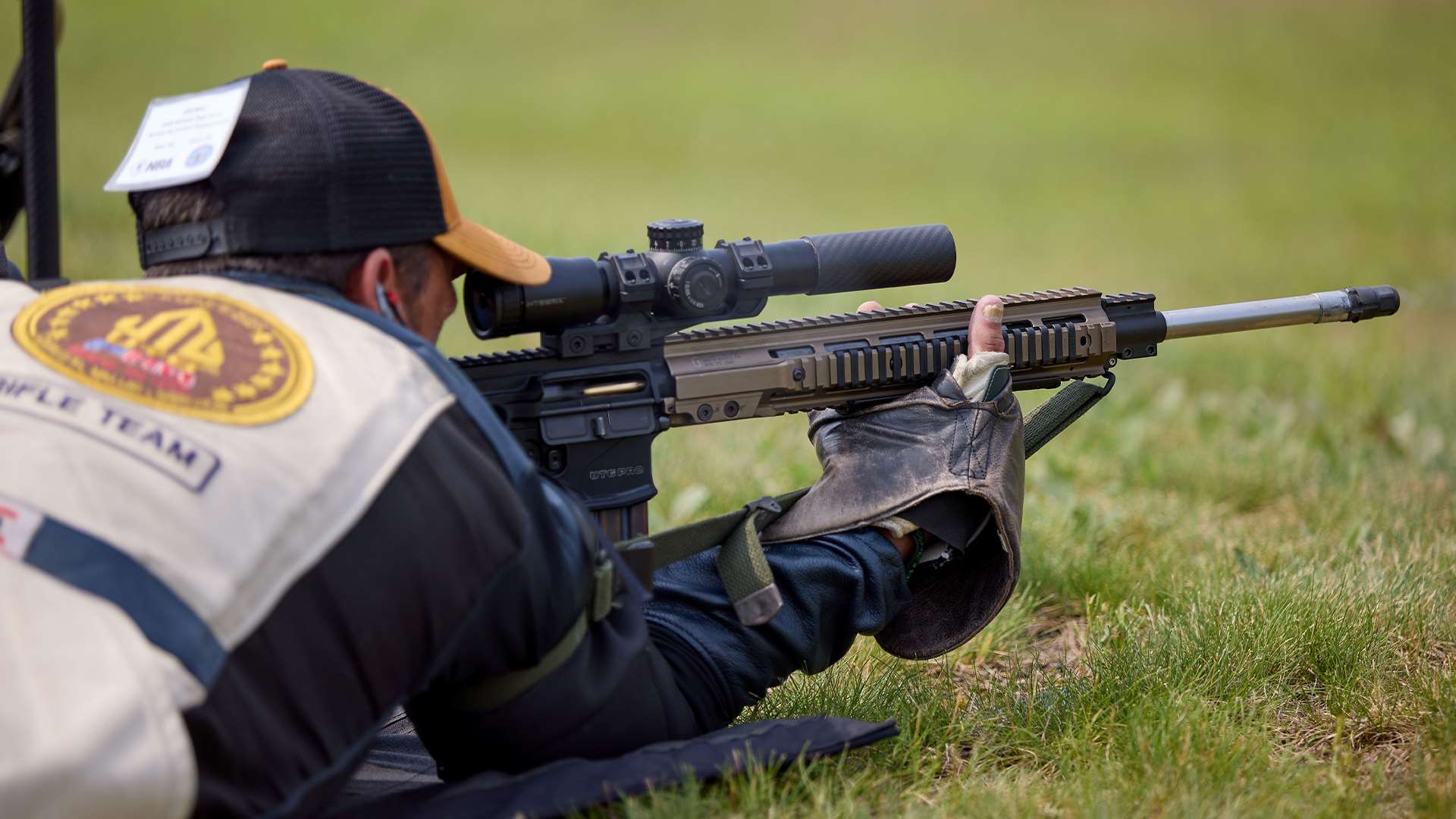
The technical setups of the rifles used during the championship shed light not only on the prowess of the competitors but also highlight how firearm configurations are subject to both traditional preferences and legal regulations. Kenny Lankford’s performance, for example, was powered by a Remington 700 chambered in .223 Wylde—a model that has become synonymous with reliable performance and consistent precision in competitive settings.
Competitors’ choices in equipment underline the significance of the tactical details and the importance of having a simple, functional setup that stands up to intense scrutiny. In Lankford’s case, the use of a Leupold LRP 8.5-25x scope mounted on a wood-stocked bolt gun represents the union of classic design with modern optical advancements.
When examining the equipment, several important factors stand out:
- Reliability under pressure: A reliable rifle setup is key to managing your way through the nerve-racking pressure of championships.
- Customization and accuracy: Adjustments, such as the selection of a single-stage trigger, are small distinctions that impact overall performance.
- Ammunition choice: Switching to different types of ammo during a competition, as Lankford did, can be critical for ensuring success on the firing line.
Each of these aspects must be considered carefully from a legal perspective, as firearm modifications and equipment enhancements are regulated. The legal nitty-gritty involves ensuring that any changes or customizations remain within the boundaries defined by law, thus protecting both competitors and event organizers from potential liability issues.
Understanding Trophy Awards and Their Legal Implications in Competitive Shooting
The awarding of trophies at competitive shooting events represents more than just recognition of skill and precision. It also illustrates how excellence in the sport can become a focal point for legal and regulatory discussions, especially concerning official records and the governing bodies that uphold these standards.
At the 2025 championship, multiple trophies were given out, including the prestigious Mumma Trophy, the Wright Trophy, and the Vandenburg Cup. These awards serve as benchmarks of achievement that carry significant weight in the world of competitive shooting.
This system of awards raises several legal and critical considerations:
- Standardization of results: Utilizing electronic scoring means that every score is recorded according to a uniform standard, minimizing disputes over scores and ensuring transparency.
- Intellectual property concerns: The design, production, and distribution of trophies and other branded materials must adhere to copyright and trademark laws.
- Contractual obligations: Organizers and sponsors are bound by agreements that ensure the legitimacy of the competition and protect all parties in case of any challenges.
By using advanced data systems and strict protocols in awarding these trophies, event organizers demonstrate their commitment to both competitive fairness and legal integrity. These measures not only foster trust among participants but also fortify the legal standing of the event in a courtroom, should any disputes arise.
Examining the Impact of Legislative Changes on Competitive Shooting Sports
One of the most controversial topics in current public debates is the relationship between competitive shooting events and the evolving legislative environment. As state and federal gun laws undergo periodic revisions, the legal community finds itself working through several tricky parts regarding the rights of gun owners and the eligibility criteria for participating in organized sports.
Recent legislative efforts aimed at tightening firearm control have naturally influenced the atmosphere around competitive shooting sports. While advocates argue that such measures are essential for improving public safety, critics maintain that heavily regulating the sport could dampen participation and infringe upon key constitutional protections.
Key considerations in this discussion include:
- Right to sport versus public safety: Balancing the right to practice shooting sports with community safety remains a super important legal discussion point.
- Regulatory consistency: Different states enforce their own sets of rules, leading to a patchwork of regulations that can be intimidating and overwhelming for both competitors and event planners.
- Implications for international competitions: Changing domestic legislation might also affect how American competitors perform in and are perceived by international competitions.
The evolving legal landscape requires all stakeholders to stay informed and ready to adapt. Whether you are an event organizer, a competitor, or a legal professional, it is necessary to take a closer look at how these changes might steer or even reshape competitive shooting in the coming years.
How Data Privacy and Electronic Records Are Managed in Competitive Events
The rapid adoption of technology in competitive shooting events has also brought the issue of data privacy into sharp focus. With electronic scoring systems tracking every shot, maintaining the confidentiality and integrity of these records is a key concern for both competitors and legal authorities.
In the modern digital age, organizers must figure a path that respects privacy rights while capitalizing on the benefits of technology-driven efficiencies. Legal experts warn that even small glitches or breaches in electronic scoring systems can lead to significant repercussions, both in terms of competitive fairness and in litigations involving data privacy.
When managing data privacy in such events, important elements include:
- Data protection compliance: Systems must be designed to meet state and federal regulations regarding data handling.
- Transparency in record keeping: Maintaining open access to scoring records, where appropriate, can increase trust among participants.
- Contingency planning: Protocols must be in place to address any data breaches quickly and efficiently.
Legal professionals stress that while technology brings many benefits to competitive shooting, organizers must never lose sight of the fact that even minor legal missteps in managing personal data can lead to costly legal challenges. Thus, continuous vigilance in data handling practices is a must-have component of successful event management.
Trust and Transparency: Building Legal Integrity in the Shooting Sports Industry
Trust, transparency, and fairness are the bedrock of any competitive sport—and shooting sports are no exception. As courtroom battles and legislative debates over gun laws become more common, it is essential for the industry to showcase clear policies and protocols that emphasize legal integrity.
Building legal integrity means that every aspect of the competition—from the registration of participants to the final count of scores—must be open to scrutiny and backed by verifiable data. This is particularly true when state-of-the-art electronic systems come into play, ensuring that the competition is carried out without hidden biases or errors.
Legal experts recommend the following measures to enhance trust in competitive shooting events:
- Regular audits: Independent reviews of electronic scoring systems help boost confidence among participants.
- Clear communication: Regular updates on rules, regulations, and any changes in competition format keep everyone informed.
- Stakeholder involvement: Bringing together competitors, organizers, and legal authorities fosters an environment where everyone can contribute to continuous improvement.
These measures are critical not only for maintaining the sporting integrity of events but also for ensuring that federal and state regulations are fully respected, thereby protecting the competitive shooting community from potential legal pitfalls.
The Legal and Tactical Balance: Insights Into Championship Equipment and Preparation
The success stories emerging from competitive shooting championships often come down to the champion’s ability to manage both tactical and legal challenges. Kenny Lankford’s dominating performance at the 2025 championship is a case in point. His preparation, which included a thorough assessment of equipment like the Remington 700 and strategic adjustments to ammunition, highlights the importance of planning, precision, and legal compliance in achieving excellence.
In the tactical phase of a championship, competitors face many confusing bits and tangled issues, from fine adjustments in trigger pulls to the selection of appropriate ammunition for each distance range. For instance, Lankford’s decision to switch ammo during the first few days of competition, prompted by early failures at short range, was not just a technical pivot—it was a clear example of adjusting to challenging circumstances and staying within the framework of competition rules.
Several critical components that affect both tactical outcomes and legal standing include:
- Equipment modifications: Any tweaks made to a rifle’s configuration, such as barrel customization or trigger modification, must fall under legal specifications.
- Firearm calibration: Regular checks and adjustments ensure that equipment performs consistently and meets mandated safety standards.
- Training protocols: Whether one is being trained by a certified instructor or is preparing independently, following approved training programs is often required by local gun regulations.
- Record keeping: Documenting equipment changes and performance data can help resolve disputes, should the need arise to verify that modifications met legal guidelines.
As competitors dig into the nitty-gritty of their gear setups and practice routines, they are simultaneously managing the legal twists and turns that come from ensuring their equipment adheres to both competition rules and firearm regulations. This dual focus on tactical performance and strict legal compliance is central to the ethos of competitive shooting today.
State and Federal Gun Laws: How They Intersect With Competitive Shooting
The legal backdrop to events like the NRA High Power Rifle Championship is one of ongoing evolution and debate. Changes in state and federal gun laws often send ripples throughout the competitive shooting community, touching every aspect of event planning and participation. Understanding the legal framework involves figuring a path through a maze of requirements that sometimes overlap and at other times seem at odds.
Here are some of the key points at the intersection of gun legislation and competitive shooting:
- Licensing and eligibility: Depending on the jurisdiction, competitors may need to verify that their firearm permits and certifications are up to date.
- Safe storage regulations: Regulations around the storage of firearms, particularly when moving between personal use and competition, can present some nerve-racking challenges.
- Transportation and travel: Moving firearms for competitions across state lines requires compliance with both federal guidelines and state-specific rules, and the process is full of tricky parts that need careful navigation.
- Liability and insurance: Organizers must secure appropriate coverage in case accidents occur, ensuring that all participants are adequately protected under the law.
This constant negotiation between law and practice means that legal advisers are often called upon to help set guidelines that allow competitive shooting to flourish, while also upholding public safety standards and constitutional rights.
The dialogue between lawmakers and shooting sports enthusiasts is ongoing, and events like the 2025 championship serve as both inspiration and a testing ground for how these legal issues are resolved in a real-world setting. Ensuring that every rule is clear and every legal requirement met is not only a mark of sportsmanship but also a super important factor in preserving the tradition of the sport for future generations.
Challenges and Opportunities: Public Policy and the Future of Competitive Shooting
The dynamic landscape of U.S. public policy means that competitive shooting events are continually adapting to new rules and regulations designed to reflect evolving societal values. While some view stringent regulations as off-putting obstacles, others see them as essential measures to confirm that the sport remains safe and above board.
This debate is packed with key issues that bear on the future of competitive shooting. On one hand, stricter laws may be viewed as intimidating and could potentially reduce participation rates. On the other hand, clearly defined regulations, if applied fairly, help protect both athletes and bystanders by ensuring that gun handling and storage are managed according to best practices.
Opportunities for the shooting sports community in this changing environment include:
- Enhanced safety standards: Adopting the latest safety protocols can ease public concerns and provide a model for best practices nationwide.
- Technological advancements: New scoring systems and equipment innovations not only add to the spectacle of the sport but also help address legal challenges proactively.
- Collaboration with lawmakers: By working together with policy makers, event organizers can help create rules that honor the tradition of competitive shooting while embracing modern safety and privacy standards.
- Continuous legal education: Providing training on current gun laws and technological requirements is a key strategy for preparing competitors and officials alike for a future where adaptability is essential.
Ultimately, the future of competitive shooting will depend on the ability of all stakeholders to balance tradition with change. As lawmakers adjust policies to reflect contemporary societal demands, participants in competitive shooting must also remain flexible and continue to invest in legally compliant innovations that enhance both performance and public trust.
Final Thoughts: The Intersection of Law, Tradition, and Sport
The 2025 NRA National High Power Rifle OTC Championship in Wisconsin was more than just an exhibition of exceptional marksmanship; it was a compelling demonstration of how tradition, technology, and legal frameworks work together to shape one of America’s most prized competitive sports. By taking a closer look at everything from electronic scoring systems and rifle configurations to the complicated twists of state and federal gun laws, it is possible to appreciate the full scope of challenges and opportunities that define the world of competitive shooting.
Competitors like Kenny Lankford and Nick Till remind us that success in such a nerve-racking sport is the result of combining meticulous tactical preparation with robust legal adherence. Their performances, along with the organization of events by bodies such as the NRA, underscore the importance of trust, transparency, and continuous innovation in an area that is as much about sportsmanship as it is about safeguarding constitutional rights.
As legal debates around firearms continue to evolve, it remains essential for all involved—from lawmakers to participants—to figure a path that respects both the heritage of the sport and the changing needs of modern society. Whether you are an enthusiast, a policy maker, or simply an observer of this dynamic field, it is clear that competitive shooting stands at a unique crossroads where tradition meets progress, and sport meets law.
Looking ahead, the ongoing dialogue between legal safeguards, technological advancements, and traditional marksmanship will undoubtedly shape the future of competitive shooting. The lessons learned on the range, the adjustments made in response to unexpected challenges, and the fair adjudication of scores under stringent legal standards all serve as testament to the resilience and adaptability of this rich and storied tradition.
In the end, while the event may have been celebrated for its impressive display of skill, it is equally important to recognize that the underlying legal and regulatory framework that supports competitive shooting is a living, evolving entity. It must continue to adapt and grow, ensuring that the rights of all stakeholders are upheld while simultaneously fostering an environment in which the sport can thrive free from the intimidating hurdles of outdated regulations and unchecked technological challenges.
Ultimately, the balance between sport and law is not a simple one—it is a series of delicate negotiations, fine shades of compromise, and proactive adaptations. The 2025 championship has provided valuable insights into how competitors, organizers, and legislators can work together to make competitive shooting a model of both excellence in performance and adherence to the rule of law. This event stands as a reminder that while the road ahead may be full of confusing bits and nerve-racking challenges, with careful planning, continued dialogue, and shared respect for both tradition and progress, the future of competitive shooting remains bright, dynamic, and legally robust.
Originally Post From https://www.ssusa.org/content/results-2025-nra-national-high-power-rifle-otc-championship-in-wisconsin/
Read more about this topic at
triumph precision, craft and engineering
Precision Powersports & Marine Ltd. Manufacturer Triumph