Fake Cop, Real Trouble: Reflections on Police Impersonation and Public Safety
Recent events in Prince George’s County have reignited a heated debate on public safety and the blurred boundaries between legal law enforcement and criminal mimicry. The case in question involves a 33-year-old man from Beltsville, Jonathan Michael Davis, who was apprehended for impersonating a police officer. In this opinion editorial, we take a closer look at the case, explore the tricky parts of enforcing impersonation laws, and examine the broader implications for our community.
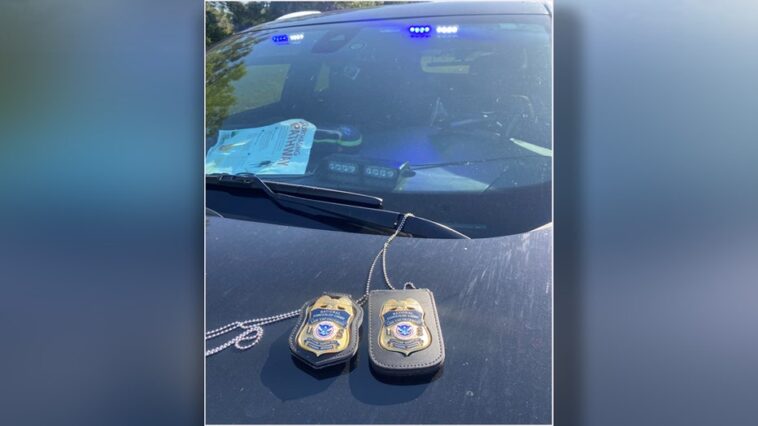
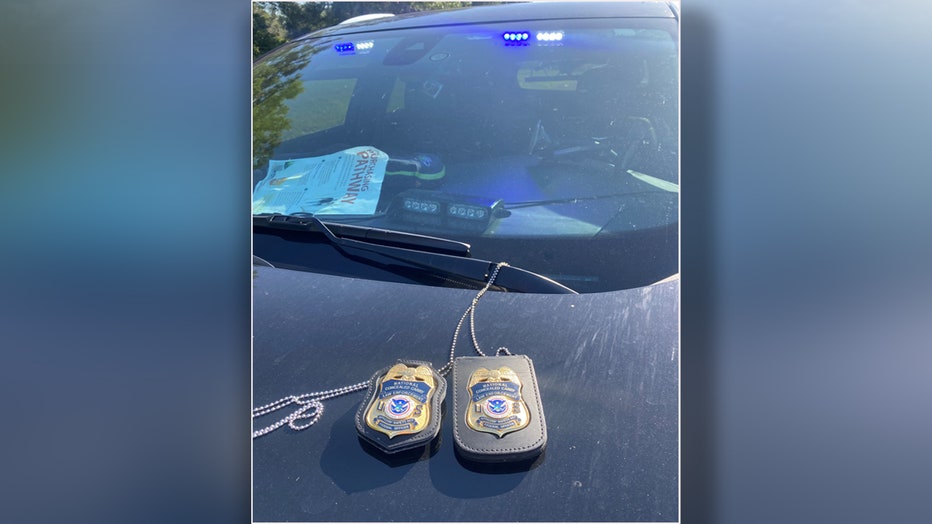
The disturbing incident unfolded on the evening of October 11, 2025, when officers in the Laurel area conducted a routine traffic stop on a black Chevy Tahoe. Officers quickly noticed suspicious modifications to the vehicle, including equipment that mimicked emergency signals and even sirens. What initially appeared to be an ordinary traffic violation soon revealed darker layers: Davis was in possession of multiple handguns, handcuffs, tactical gear, and even a so-called “ghost gun.” This discovery not only raises alarms about the safety of the public but also spotlights the tangled issues law enforcement faces when dealing with impersonators armed with weaponry.
The Troubled Terrain of Police Impersonation
The phenomenon of police impersonation is not a new one. However, the Davis case highlights a particularly nerve-racking situation where the bogus officer went beyond mere dress-up. The deliberate packaging of badges, sirens, and tactical gear created a scenario rife with hidden dangers. The officer’s equipment was not only designed to fool the public but also to potentially facilitate criminal activity. As citizens, we must be aware of the ways in which such impersonations can erode our trust in real law enforcement.
Blurring the Lines: Legal Implications and Public Trust
At the heart of this case is a legal quagmire that raises several key questions about the measures needed to protect public trust. When a suspect can convincingly pose as a law enforcement official, the fine points of the law may be put to the test. Legal experts point out that the weaknesses in current statutory frameworks can sometimes be full of problems, particularly when the suspect employs tools like ghost guns and replica badge paraphernalia.
Some of the critical legal issues include:
- Determining the extent to which the use of tactical gear in criminal impersonation constitutes an aggravating factor
- Understanding how ghost guns further complicate the legal consequences for impersonators
- Assessing whether current penalties serve as a sufficient deterrent against exploitation of law enforcement symbols
In situations like this, legal professionals must find their way through a tangled maze of statutes and previous case law. The challenges involve deciphering subtle parts of existing legislation, ensuring that penalties are not only appropriate but also practical in their deterrence value. Law enforcement agencies must now examine whether further regulatory measures are necessary to address new variations of impersonation schemes, especially in an environment where technological advancements make replication easier than ever.
Tactical Gear and Ghost Guns: A Dangerous Combination
Davis’s possession of a ghost gun adds another frustrating twist to an already complicated story. Ghost guns, which are firearms assembled from parts and lacking serial numbers, present a discreet and often undetectable risk to society. They enable individuals to bypass conventional control measures, making it even more challenging for law enforcement to track illegal activity.
Key aspects of this challenge include:
- Regulatory Loopholes: Ghost guns, by design, exploit legal gray areas. These loopholes hinder the ability of authorities to enforce standard firearm regulations effectively.
- Detection Difficulties: Due to their untraceable nature, ghost guns escape the usual database checks that help regulators keep tabs on the movement of conventional firearms.
- Public Perception and Safety: When ghost guns are paired with the appearance of official law enforcement equipment, it can lead to a significant loss of confidence in security measures among everyday citizens.
This dangerous combination of impersonation tactics and weaponizing ghost guns underlines a broader societal issue: the constant need to update and amend our laws in order to keep pace with the evolving realm of criminal activity. As communities, we must acknowledge that even minor alterations in weapon trends can have major ripple effects on public safety and legal enforcement.
Digging Into the Case: A Matter of Public Confidence
Diving in deeper into the case details reveals many of the confusing bits that fuel public debate on law enforcement efficacy. The fact that Davis was found wearing a comprehensive array of police paraphernalia – from badges to lights – is a pointed reminder that imitation can be intricately intertwined with intent to deceive. The choice to brandish equipment reminiscent of a genuine law enforcement officer amplifies the potential danger posed to both motorists during traffic stops and to individuals who might mistakenly follow his orders.
Some of the obvious public concerns include:
- Safety on the Road: Routine traffic stops might become nerve-racking experiences if drivers are uncertain about the legitimacy of the officer. The psychological impact of feeling deceived can extend far beyond the immediate encounter.
- Trust in Law Enforcement: Each time an impersonator is caught, it is a blow to the perceived reliability of genuine officers. For communities already grappling with skepticism, this further complicates the task of building mutual respect and cooperation.
- Legal Enforcement Complications: Charging and sentencing cases like that of Davis may carry unexpected twists and turns. Determining whether the tactical gear was intended solely for show or as part of a larger criminal scheme requires law enforcement agencies to sift through the nitty-gritty of evidence, which may be both time-consuming and legally challenging.
Critical Lessons for Our Justice System
The Davis case forces us to confront several critical lessons. For lawmakers, it is essential to consider regulatory measures that specifically target impersonation crimes. This would mean not only refining existing statutes but also introducing new ones that address the rapid evolution of weapon technology and the distribution of ghost guns.
Here are some key lessons that emerge when we take a closer look:
| Issue | Implications |
|---|---|
| Impersonation Equipment | Blurred lines between legitimate law enforcement and criminal impersonation. |
| Ghost Guns | Legal loopholes and difficulty in tracking, posing significant risks. |
| Traffic Stops | Increased apprehension among the public and mistrust in safe interactions during routine enforcement activities. |
| Legal Deterrence | Need for updated statutes and stricter penalties to prevent future occurrences. |
These points underscore the necessity for lawmakers and enforcement agencies to work collaboratively. Through this dialogue, we may begin to figure a path that not only addresses the immediate concerns but also sets forth a framework for combating similar cases in the future.
Making Your Way Through the Twists and Turns of Law Enforcement Impersonation
For anyone following this case or similar news stories, the message is unequivocal: we must remain vigilant and informed. The fact that someone can gather a collection of gear reminiscent of a bona fide officer – complete with lights, sirens, and other paraphernalia – and use it to potentially commit further offenses, is a call to action. Law enforcement must act swiftly, yet carefully, to ensure that public safety is maintained and that illegal activities do not slip through the cracks.
Some strategies that can help communities steer through these overwhelming developments include:
- Enhanced Vigilance: Citizens should be encouraged to verify the credentials of individuals claiming to be law enforcement. This means knowing what a genuine officer’s uniform and equipment should look like.
- Community Outreach: Police departments can initiate awareness programs to educate residents on the subtle details of authentic law enforcement presence.
- Improved Reporting Systems: Easy-to-use reporting channels can empower the public to relay any suspicious incidents promptly and anonymously, thereby aiding investigations.
- Legislative Action: Local government bodies should consider passing super important laws designed to curb the rising threat of police impersonation and the illegal propagation of ghost guns.
These measures, by themselves, may not eradicate the problem overnight. However, they provide a baseline for community-based interventions that can limit the reach of such deceitful practices and facilitate a quicker legal response when such incidents occur.
Public Safety and the Role of Media
In recent times, media outlets – whether digital or traditional – have played a crucial role in disseminating information about intricate cases like that of Jonathan Michael Davis. However, as much as the media can be a tool for awareness, it must also take on the responsibility of offering balanced perspectives. Sensationalizing such events may contribute to public fear and anxiety rather than constructive debate.
Media outlets are challenged to:
- Provide clear, fact-based reporting that steers clear of dramatization.
- Offer insights from law enforcement, legal experts, and community leaders to paint a comprehensive picture.
- Create platforms for dialogue that enable public input and trust-building initiatives.
By focusing on these objectives, the media can assist in distinguishing the little twists between legitimate law enforcement activities and criminal impersonation, ensuring that communities are informed without being overwhelmed by scare tactics.
Community Response: Coping with Intimidated Trust
It is natural for incidents involving impersonation to leave communities feeling off-put by what appears to be a breach of trust. The genuine officers who risk their lives to protect the public see this misuse of their appearance as a direct threat to their credibility. The tendency for one incident to cast a long shadow over the profession is a nerve-racking development, but it also opens the door to dialogue and improvement.
Community leaders and law enforcement must join forces to address the small distinctions that separate real authority from counterfeit endeavors. A few actions that can enhance community trust include:
- Regular Public Forums: Offering sessions where citizens can ask questions and receive answers directly from officers in the field.
- Training Programs: Ensuring that officers are equipped to immediately detect when someone is using police gear falsely, even in busy or chaotic situations.
- Visible Partnerships: Encouraging collaborations between local government members and community organizations to foster transparency and unity.
These community-oriented measures help bridge the gap between law enforcement and the public. The process is not instantaneous – it takes persistent effort and an acknowledgment of the fine points in both perspectives – but it is essential for maintaining a safe, trustworthy environment.
Legal Reform: Addressing the Root of the Problem
The case of Jonathan Michael Davis is a stark reminder that the legal system must evolve to meet new, unexpected challenges. Current statutes on impersonation and gun control were largely shaped in times when such twists and turns were unimaginable. As we stand at this crossroads, it is critical to consider legal reforms that can efficiently handle cases where impersonation meets the dangerous world of untraceable firearms.
This could involve:
- Reviewing Existing Laws: Legislators should take a closer look at the legal texts and find your way through the confusing bits by updating and modernizing sections that deal with impersonation.
- Stricter Penalties: Establishing harsher consequences for those who deliberately mislead the public, especially when the offense involves hybrid charges such as possessing ghost guns.
- Enhanced Coordination: Promoting more robust collaboration between federal and state agencies ensures that loopholes are closed, and that criminals cannot easily slip through jurisdictional cracks.
- Public Safety Education: Incorporating mandated public service announcements and educational programs focused on the small distinctions between legitimate authority and criminal impersonation.
Such reforms are not off-putting or impossible. Instead, they are both essential and practical measures to protect public safety. They send a message that society will not tolerate attempts to misuse public trust, and that even the subtlest pieces of evidence – like the presence of ghost guns or fake badges – will be taken very seriously.
Looking Ahead: A Path to Safer Communities
As we digest the ramifications of the Davis case, it becomes clear that the challenges posed by police impersonation and ghost guns are part of a broader spectrum of modern criminal tactics. These offenses, loaded with issues, not only endanger public safety but also undermine the very foundation of trust between the community and those sworn to protect it.
So, what does the future hold for communities grappling with these problematic trends? Here are several forward-looking steps that can help navigate this daunting landscape:
- Proactive Legislation: Lawmakers must be proactive, crafting regulations that specifically address the combined threat of impersonation and untraceable weaponry.
- Enhanced Training: Police academies and law enforcement training programs should incorporate sessions on spotting counterfeit uniforms and equipment.
- Community Collaboration: A united effort from local governments, community leaders, and law enforcement can foster an environment where suspicious activities are reported early and dealt with effectively.
- Technological Solutions: Investing in technology that assists in verifying the legitimacy of law enforcement actions – for example, secure digital badges and verification apps – can add an additional layer of protection.
These steps, while undoubtedly requiring considerable resources and cooperation, are both achievable and super important for securing the future of our communities. It is through this collaboration and focus on the nitty-gritty details that we can ensure criminals do not future-proof themselves by exploiting the vulnerabilities inherent in our current systems.
Building a Culture of Awareness and Accountability
Ultimately, society’s response to cases like that of Jonathan Michael Davis should not be one of mere shock and temporary outrage. Instead, we should use these events as catalysts for lasting change. By acknowledging the challenges we face – from the intimidating presence of ghost guns to the subtle parts that allow impersonators to slip by unnoticed – communities can work together to build a culture of awareness and accountability.
This culture should be characterized by:
- Ongoing Education: Regular informational campaigns that help citizens identify authentic law enforcement markers, thereby reducing reliance on potentially misleading appearances.
- Transparent Investigations: Open communication from law enforcement agencies regarding active investigations builds trust and reassures the public that every suspicious detail is being thoroughly examined.
- Legal Empowerment: Informing the public about their rights and the proper channels for reporting suspicious behavior ensures that actionable intelligence reaches the appropriate officials quickly.
Beyond these steps lies a broader principle: For trust to be earned and maintained, every stakeholder – from lawmakers to officers on the street – must engage actively in improving the public’s welfare. It is not merely about legislating stricter penalties, but also about fostering a collective commitment to transparency and shared responsibility.
Conclusion: Taking the Wheel in Our Justice System
Reflecting on the case of Jonathan Michael Davis, we are reminded that the world we inhabit today is rife with both new dangers and opportunities for meaningful change. Davis’s actions, which cleverly combined the use of authentic-looking law enforcement gear with the dangerous presence of ghost guns, are a cautionary tale for both the legal community and society at large.
This incident forces us to figure a path through several weighty questions: How do we protect our community while ensuring that law enforcement remains effective and trustworthy? What changes need to be made in our legal framework to counteract emerging criminal tactics? And, most importantly, how do we empower citizens to distinguish between the genuine and the counterfeit?
These are not off-putting or insurmountable challenges. They are, in fact, call-to-action points that demand both immediate and long-term responses from our judicial and legislative bodies. By working through the confusing bits and tangled issues of the current system, we can collectively steer through the nervous landscape of modern crime with more confidence.
We must embrace transparency in both law enforcement practices and legislative reforms. Only by doing so can we ensure that our communities are safeguarded against those who would exploit the very symbols designed to protect us. The case of police impersonation should serve as a wake-up call to update our legal frameworks, advance our technological capabilities, and ultimately, foster a safer and more trusting society.
As observers, citizens, and stakeholders in our justice system, it is our collective responsibility to advocate for these changes and to remain engaged in the conversation. While the path forward may seem filled with twists and turns, it is exactly through managing these challenging parts that we can build a future where public safety is not compromised, and where the authorities we trust to protect us remain beyond reproach.
Final Thoughts: The Way Forward
In light of these developments, it becomes evident that real progress hinges on our ability to adapt and improve our systems. The law must evolve to address today’s unique challenges, be they the intimidating presence of ghost guns or the subtle details that allow imposters to assume positions of false authority. Legal reforms, when paired with proactive community engagement and technological upgrades, form the cornerstone of a resilient public safety apparatus.
Our shared narrative should be one that embraces constructive critique and channels public frustration into tangible improvements. While cases like that of Jonathan Michael Davis are certainly alarming, they also offer us an opportunity to reevaluate the ways in which we secure our communities. Every incident serves as a reminder that the collaboration between citizens, law enforcement, and lawmakers is crucial if we are to find our way through the nerve-racking labyrinth of modern criminal tactics.
Let us take this case as a lesson in both caution and empowerment. By recognizing the hidden complexities of modern impersonation and the challenges posed by untraceable firearm technologies, we can collectively work towards building a safer and more transparent future. In doing so, each member of our society will play a role in ensuring that those entrusted with our protection remain true to their duty, unmarred by criminal exploitation.
Ultimately, the responsibility to create lasting change lies with all of us. It is up to our communities, our leaders, and our justice system to ensure that every twist and turn in the realm of law enforcement is met with swift, decisive, and thoughtful action. Only then can we hope to restore and maintain the trust that is so critical to the functioning of our society.
In conclusion, the case of police impersonation in Prince George’s County is more than just an isolated incident—it is a mirror reflecting the pressing need for reform within our justice system. By working together, embracing the challenges presented, and committing to ongoing dialogue and legislation updates, we can create an environment that not only punishes wrongdoing but also empowers the community to remain vigilant and informed. This journey, though dotted with intimidating and confusing bits, is undoubtedly a necessary one as we steer towards safer and more accountable civic governance.
Originally Post From https://thebaynet.com/fake-cop-real-trouble-prince-georges-county-impersonator-had-badges-sirens-tactical-gear-and-a-ghost-gun/
Read more about this topic at
Prince George’s County Impersonator Had Badges, Sirens …
Fake Cop Responds to Emergency Call, Gets Arrested by …