Understanding the Wytheville Gun Control Ordinance
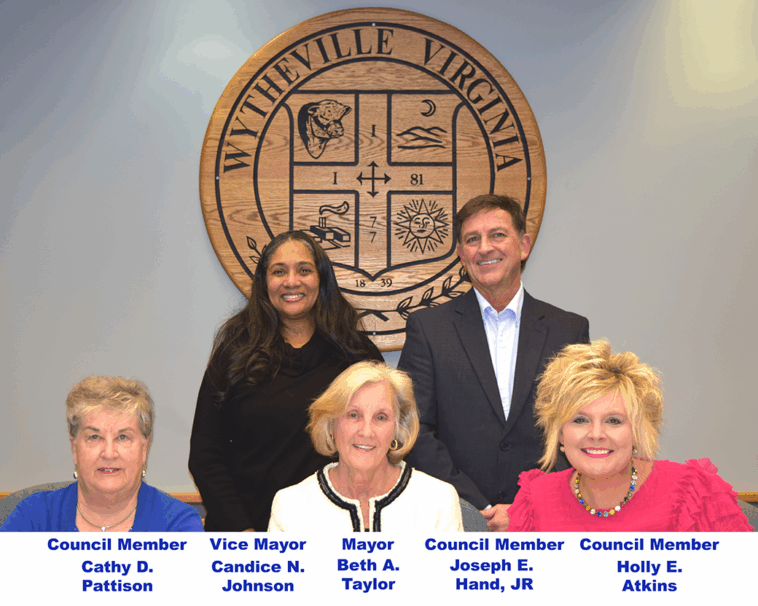
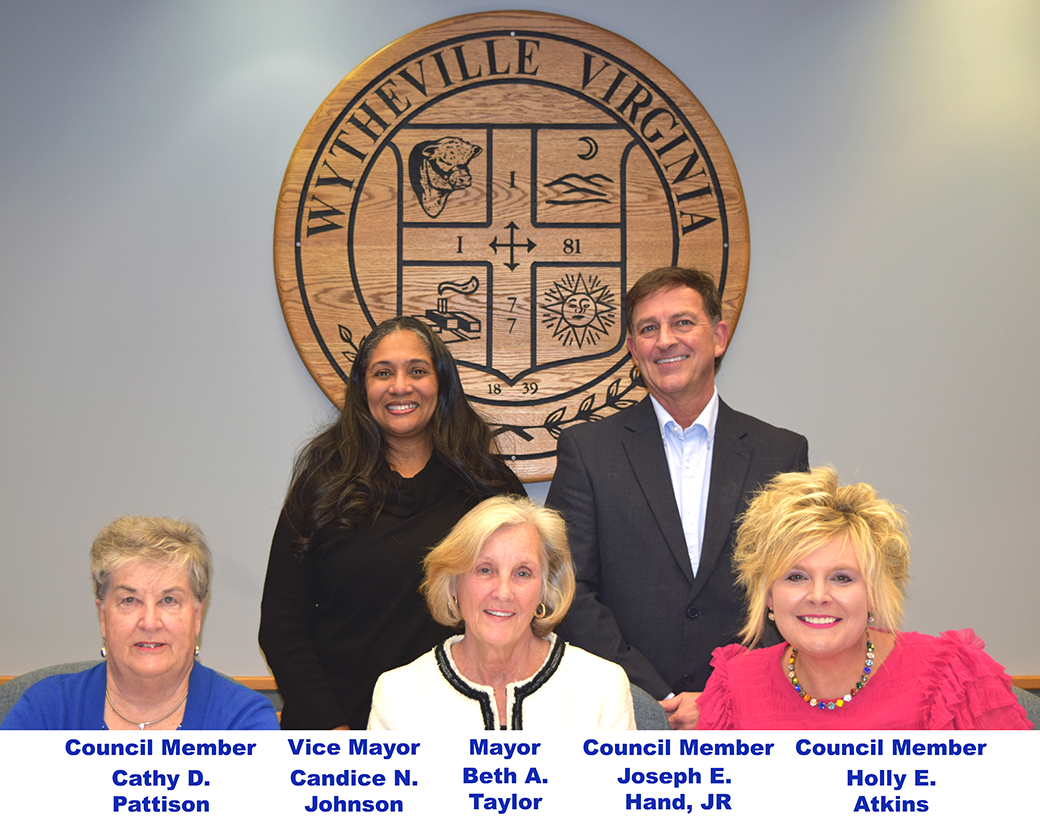
The recent proposal before the Wytheville Town Council has sparked a heated debate over gun control measures in this Virginia community. On Monday, October 27, the council will vote on an ordinance that would expand gun-free zones by restricting firearms in government buildings, public parks, and community recreation centers – without making any exception for Concealed Handgun Permit (CHP) holders. This editorial takes a closer look at the proposal, asking: how will this new measure affect law-abiding citizens, and what are its potential consequences for public safety and individual rights?
Many community members believe that expanding gun-free zones creates arbitrary boundaries where responsible and law-abiding citizens are left without the means to protect themselves. At the same time, proponents argue that these measures are designed to reduce gun violence and promote a safer public space. As we dive in to analyze this proposed ordinance, it is essential to keep the discussion neutral, acknowledging both the local context and broader national trends in gun control laws.
Wytheville Gun Control Ordinance: Expanded Gun-Free Zones Explained
This proposed ordinance is intended to delineate areas considered “gun-free zones” by prohibiting the possession of firearms in specific public arenas. The list includes not only government buildings and public parks but also community and recreation centers. Critics of the proposal argue that this approach may inadvertently penalize law-abiding citizens who have secured the necessary permits and could negatively impact their ability to defend themselves.
A closer look at this measure reveals several key components:
- No Exceptions for Permit Holders: The ordinance does not allow a carve-out for individuals who hold Concealed Handgun Permits. This means that even those who have demonstrated responsibility and passed background checks are not exempt from the restrictions.
- Expanded Definition of Public Spaces: Beyond traditional government offices, the ordinance targets public parks and recreation centers, broadening the scope of spaces where firearms are prohibited.
- Potential Impact on Community Safety: Preliminary data suggests that a significant percentage of mass casualty events have occurred in areas where such restrictions are in place. Critics argue that criminals, who are less likely to adhere to legal constraints, might use this to their advantage.
Supporters of the ordinance stress the need to curb what they see as a rampant culture of gun proliferation. However, those loyal to Second Amendment rights warn that this measure could lead to unintended consequences that may weaken the ability of citizens to protect their homes and families.
Impact on Law-Abiding Citizens: Rights Versus Regulations
One of the most contentious issues arising from the proposed ordinance is its effect on law-abiding citizens. Many residents believe that the measure will unfairly strip responsible individuals of their right to carry a firearm for self-defense. There is growing concern that these restrictions might create confused or even dangerous situations during emergencies.
When evaluating the ordinance, several points need to be considered:
- Self-Defense Limitations: By prohibiting firearms in key public spaces, the ordinance could leave citizens defenseless in situations where rapid self-protection is needed. This limitation is particularly problematic in settings where police response may be delayed.
- Legal Precedent and Constitutional Rights: The Second Amendment, which guarantees the right to keep and bear arms, is at the center of debates regarding any regulation that might infringe upon personal freedoms. Critics see this ordinance as a misinterpretation of constitutional guarantees.
- Impact on Responsible Permit Holders: Those who have undergone rigorous background checks and training to secure a Concealed Handgun Permit might be unjustly penalized under this new rule, despite their demonstrated commitment to lawful firearm use.
The discussion among community members is full of problems as key questions arise regarding fairness and the practical aspects of enforcement. The issue isn’t just about regulation—it touches on civil liberties and the trust placed in citizens to act responsibly.
Public Safety Concerns: Analyzing Gun-Free Zone Dynamics
A number of recent studies have pointed to an intriguing statistic: more than 95% of mass casualty events have occurred in areas designated as gun-free zones. This data has served as a contentious point, fueling arguments that the expanded restrictions may offer a false sense of security while inadvertently creating soft targets for criminals.
Understanding the safety implications requires looking at several intertwined factors:
- Criminal Behavior Versus Law-Abiding Conduct: History has shown that many criminals do not adhere to the letter of the law, meaning enforcement of gun-free zones may have little impact on preventing their activities.
- Defensive Limitations for Citizens: In times of crisis, citizens who are disarmed in public spaces might find themselves at a disadvantage, unable to react promptly to threats.
- Real-World Comparisons: Similar ordinances have been enacted in other regions with mixed outcomes. In some cases, these regulations have not translated into diminished violence; instead, they have sometimes coincided with creative attempts by criminals to exploit perceived vulnerabilities.
Critics argue that the ordinance’s real-tricky parts come in the form of unintended consequences. The absence of any carve-out for permit holders, in particular, could exacerbate challenges during emergencies when citizens’ ability to respond effectively may be compromised.
Comparing with National Trends and Legal Precedents
Wytheville’s upcoming vote occurs amid broader national debates. Across states such as California and North Carolina, similar proposals and subsequent legal battles have shaped the conversation on gun control. While each locality presents its own unique twist and turns regarding gun regulations, the overarching issues remain consistent: balancing public safety with constitutional rights.
Let’s take a closer look at some comparable contexts:
| Region | Key Regulation | Notable Impact |
|---|---|---|
| California | Glock Ban and similar restrictions | Legal challenges and debates on Second Amendment rights |
| North Carolina | Permitless Carry legislative updates | Confusion among citizens and rapid shifts in enforcement policy |
| Wytheville, VA | Expansion of Gun-Free Zones without permit exceptions | Battle over the balance between citizen self-defense and public safety |
Although some advocates of the ordinance are committed to the idea that restricting firearms in public spaces will lead to a reduction in violent incidents, others worry that such policies, when not aligned with the complete picture of law enforcement and community dynamics, might seem more symbolic than practical.
This table highlights how varying approaches in different regions mirror the complex and often confusing bits of gun control debates across the nation. Each regional regulation carries its own set of small distinctions and subtle details that impact enforcement, public safety, and legislative stability.
Challenging Areas and Hidden Complexities in Implementation
Implementing any significant change in gun regulations is never simple, and the proposed ordinance in Wytheville is no exception. The hidden complexities of this legislation lie in both its practical enforcement and the broader ramifications for local governance.
Some of the more nerve-racking points include:
- Enforcement Practicality: How will local authorities consistently enforce a ban that applies across varied public spaces? The officers and officials may find themselves sorting out case-by-case situations where the measure could lead to confrontations or disputes.
- Ambiguity in Definition: What exactly qualifies as a “public park” or a “community center” could become points of contention. The ordinance is loaded with issues if the definitions are unclear, resulting in arbitrary interpretations that could vary widely depending on the enforcement officer’s judgment.
- Coordination with Existing Federal Laws: Local ordinances must align with federal and state laws, risking potential legal challenges if there is any conflict with established legal precedents or constitutional rights.
These tricky parts illustrate why community members and legal experts alike are taking a close look at the nitty-gritty of the ordinance. Without clear guidelines and just enforcement measures, there is the risk that a well-intentioned policy could falter in its execution, ultimately leaving both citizens and law enforcement in the lurch.
Analyzing the Broader Debate on Gun-Free Zones
The discussion around gun-free zones transcends local politics and dives deep into national debates on the balance between freedom and security. Proponents of gun control insist that limiting the presence of firearms in public spaces can reduce accidental shootings and mass casualty events. Opponents counter this argument by underscoring that disarming law-abiding citizens leaves these spaces vulnerable.
Here are some of the key talking points often debated at the community level:
- Civil Liberties versus Collective Security: How do we protect individual rights without sacrificing collective security? This is a central question that encapsulates the clash between gun rights advocates and gun control supporters.
- Effectiveness of Gun-Free Zones: Critics point to statistics suggesting that areas with strict gun-free policies have not necessarily experienced lower rates of mass casualty events. Instead, criminals appear to target these areas because they are known to be disarmed environments.
- The Role of Community Education: Some argue that better educational programs on firearm safety and responsible gun ownership could serve as a more effective measure than outright bans in public venues.
- Legal and Constitutional Considerations: With the Second Amendment enshrined in the U.S. Constitution, any measure that limits the lawful use of firearms inevitably encounters legal challenges. Courts have historically grappled with the fine points of balancing state regulations and constitutional protections.
When faced with these small distinctions, it becomes clear that the conversation is not simply about restricting access to guns but also about recognizing the intricate balance required to maintain both personal freedom and public order.
Legal Precedents and Civic Engagement: Steering Through Legal Challenges
Civic engagement is key in shaping the legal landscape surrounding gun laws. With similar debates unfolding in states like North Carolina and California, the Wytheville vote serves as yet another chapter in the broader story of constitutional rights versus modern legislative approaches.
Important legal precedents and recent lawsuits provide context for the current debate:
- Past Legal Challenges: Lawsuits challenging restrictive gun laws, including those related to carry permits and assault weapons bans, highlight the tension between state initiatives and constitutional mandates. These cases remind us that each piece of legislation is subject to judicial review, especially when it touches on fundamental rights.
- Impact on Future Legislation: The outcome of Wytheville’s ordinance vote could set a precedent for other jurisdictions grappling with similar issues. Civic participation—by attending the meetings, voicing opinions, and contacting local representatives—is super important when it comes to shaping these legal debates.
- Voter Involvement: The power to influence legislative outcomes rests in the hands of the community. Those who are concerned about how gun-free zones might affect their safety are encouraged to engage actively during public hearings and town meetings.
For citizens, managing your way through these challenging legal battles means staying informed and getting involved. By understanding the twists and turns of existing legislation, one can better appreciate the scope of potential consequences that may follow if such measures are implemented without proper safeguards.
Community Perspectives: Weighing the Benefits and Drawbacks
The conversation surrounding gun control ordinances is on edge and highly charged. On one side, there are advocates who see the proposed ordinance as a necessary step toward reducing gun violence in public spaces. On the other, civic groups and individual citizens feel these measures are counterproductive, potentially leaving communities more vulnerable.
Some of the arguments raised include:
- Support for Increased Public Safety: Proponents argue that by creating gun-free zones, the community can enforce safer environments, especially in locations where children and families gather. They contend that fewer guns in public areas will lead to fewer opportunities for violent confrontations.
- Concerns Over Personal Security: Opponents, however, say that this approach leaves those who are most in need of protection—law-abiding citizens—without the means to defend themselves. They point to data that indicates criminals do not abide by such rules and will exploit any loopholes created by disarming the general public.
- The Role of Community Trust: There’s also a broader discussion about the trust between local governments and their residents. When sweeping regulations are imposed without adequate community input or explanatory details, it can foster feelings of disenfranchisement and uncertainty about whether the measures will truly enhance security.
These community perspectives show that the issue is riddled with tension. Without comprehensive community engagement, such policies risk alienating the very citizens they are supposed to protect. In many respects, the debate has evolved to be as much about protecting personal freedoms as it is about securing public spaces.
Assessing the Potential Outcomes of the Proposed Ban
Looking ahead, it is critical to assess the potential outcomes that might follow if Wytheville adopts the expanded gun-free zones ordinance. Several possibilities emerge, each with its own set of consequences that have both immediate and long-term implications for the community.
The following considerations are particularly important:
- Enforcement Challenges: Local law enforcement agencies may find themselves in nerve-racking situations while trying to enforce the new rules, especially in cases of ambiguous incidents. Without clear guidelines, each encounter could turn into a complicated piece of a legal puzzle.
- Litigation Risks: Should the ordinance be perceived as infringing upon constitutional rights, it could result in litigation that ties up local resources and further divides the community. Past cases in other states have shown that such legal battles are rarely straightforward and often come with burdensome delays.
- Community Safety versus Mobility: With broad restrictions on where firearms can be carried, citizens might feel less secure in venues where they once felt safe. This could lead to decreased participation in public activities or a growing sense of vulnerability in everyday situations.
- Long-Term Legal and Political Impact: The ordinance might also influence how other local governments in Virginia and beyond approach gun control regulations in the future. This ripple effect highlights just how super important it is for voters to remain engaged and responsive to local legislative changes.
Policymakers need to figure a path that carefully weighs the potential for reducing violence against the risk of disarming responsible citizens who expect to be able to defend themselves at a moment’s notice. Each of these outcomes carries subtle details that can change the course of local governance and public safety strategies for years to come.
Looking to the Future: Civic Responsibility and Active Participation
As the Wytheville Town Council prepares to vote on Ordinance No. 1460, community input and civic responsibility become super important. This is not merely a debate on policy details; it is an opportunity for the community to decide how best to balance public safety with personal freedoms. Both sides of the debate maintain that they are acting in the best interests of the community, although they differ in how they define those interests.
For citizens looking to express their views, there are several avenues for engagement:
- Attend Public Meetings: Being present at the council meeting provides an opportunity to get around the legislative process first-hand. When citizens attend in person, they can ask questions and get into the detailed discussions directly.
- Contact Local Representatives: Whether you support or oppose the ordinance, writing to or calling your local representatives is an effective way to share your opinions and ensure your voice is heard.
- Stay Informed on Legislative Developments: Subscribing to newsletters or updates from legal journals and local media can help you keep pace with the latest twists and turns in the debate.
- Join Community Forums: Engaging in community discussions—both online and in person—offers a chance to understand the subtle details and fine points of the proposals and explore alternative approaches.
Active participation in these discussions is more than just a political duty—it is a way to shape the future of how laws are crafted, interpreted, and enforced. For a policy as delicate and on edge as this one, every voice matters in finding a solution that honors both community safety and constitutional rights.
Balancing Constitutional Rights and Community Safety
The law requires that policies which restrict freedoms must be balanced carefully against the guarantees provided by the Constitution. The Second Amendment is a key component of this balancing act, but opinions differ on what “reasonable regulation” should look like. The debate is less about opposing safety measures entirely and more about ensuring that such measures do not overstep in ways that undermine long-held constitutional rights.
A careful reading of the proposed ordinance shows a tension between two primary goals:
- Improving Public Safety: By limiting firearm presence in specific areas, lawmakers hope to foster environments where conflicts may be less likely to escalate into violence.
- Preserving Individual Rights: On the other side, there is a serious concern that removing the right to carry even legally obtained firearms could leave responsible citizens less secure in an emergency.
This fundamental conflict is at the heart of the current debate. Finding your path through these murky legal waters involves understanding that the issue is not simply black and white but is composed of many small twists and slight differences that influence how the law is implemented on the ground.
Exploring the Role of Expertise in Gun Policy Debates
The conversation around gun legislation is not solely the domain of legislators and politicians. Legal experts, law enforcement officials, and community advocates bring their own perspectives and experiences to the table. Their observations can provide valuable insights into the practical challenges and benefits of policies like the one proposed in Wytheville.
Key observations from various experts include:
- Law Enforcement Insights: Police officials often point out that when citizens are disarmed in public spaces, there is a greater burden on law enforcement to secure those areas. This can lead to nerve-racking situations where officers have to manage conflicts without the immediate support of an armed populace.
- Legal Scholars’ Perspective: Constitutional law experts frequently stress that any limitation on firearm rights must be scrutinized to ensure it does not violate established legal principles. They recommend a thorough review of how such restrictions have fared in previous legal challenges.
- Community Leaders’ Voice: Local activists emphasize that safety measures should be designed with input from everyday citizens. They argue that when policies seem loaded with issues or are imposed without adequate public discourse, they risk creating more confusion than clarity.
Engaging with these diverse perspectives helps to dig into the real-world implications of the ordinance. When all parties work through the issues collaboratively, the outcome is more likely to be a balanced policy that acknowledges both the need for public safety and the importance of personal defense and constitutional rights.
Reviewing the Role of Data in Shaping Gun Policy
Statistical evidence has often played a significant role in shaping the public debate on gun control. Proponents of stricter controls frequently point to data suggesting a correlation between gun-free zones and higher rates of mass casualty events. However, opponents of such measures challenge these findings, arguing that the data can be interpreted in many different ways.
Here are several data points to consider:
- Mass Casualty Incident Statistics: Research has shown that a large percentage of high-profile violent incidents occur in areas where citizens are legally disarmed. This statistic, while compelling, is only one aspect of a much broader picture.
- Enforcement and Compliance: Data on how effectively similar ordinances have been enforced in other jurisdictions can offer clues as to whether such policies are truly effective or merely symbolic gestures that do little to prevent crime.
- Comparative Studies: Comparing regions with and without expanded gun-free zones can help determine if such measures actually correlate with lower overall crime rates or simply shift where criminal activity occurs.
Using bullet lists and tables, analysts have tried to sort out these small distinctions. For instance, one comparative table of gun-related incidents before and after the implementation of similar regulations in other areas indicates that while overall public safety improved in some instances, in others the changes led to unforeseen complications. Such mixed results underscore the importance of a careful review of all available data when forming opinions or policies.
Community Safety Policies: Weighing the Trade-Offs
At the end of the day, any discussion about gun control measures must weigh the trade-offs between increased community safety and the potential loss of individual rights. Both perspectives offer compelling arguments, and both are loaded with issues that require clarification before a definitive solution can be agreed upon.
Key trade-offs include:
- Enhanced Regulation Versus Individual Empowerment: More stringent control measures may lead to a perceived increase in public safety, but they may also strip citizens of the means to protect themselves in emergencies.
- Short-Term Safety Gains Versus Long-Term Constitutional Impact: Temporary reductions in violent incidents could be offset by deeper, long-term legal challenges that ultimately erode established constitutional rights.
- Community Cohesion Versus Polarization: If communities feel that their voices are being ignored in favor of top-down mandates, the resulting polarization could hurt overall civic engagement and trust in local leadership.
The table below gives a simplified overview of these trade-offs:
| Trade-Off | Potential Benefit | Possible Drawback |
|---|---|---|
| Regulation vs. Empowerment | May reduce accidental shootings and mass casualty risks. | Disarms law-abiding citizens, reducing their ability to respond in emergencies. |
| Short-Term Safety vs. Long-Term Rights | Could yield immediate decreases in public violence. | May provoke long-term legal challenges and constitutional disputes. |
| Civic Cohesion vs. Polarization | Provides a clear stance on regulating firearms. | May alienate significant portions of the community and reduce trust in authorities. |
This overview illustrates that the issue is not as simple as choosing one option over the other. Instead, it requires a careful balancing act between public safety and individual rights—a balance that each community must determine for itself based on local values and experiences.
Conclusion: The Road Ahead for Wytheville and Beyond
As Wytheville’s Town Council casts its vote on Ordinance No. 1460, the outcome will likely become a touchstone for the national conversation on gun control. What is clear is that the decision will reverberate far beyond local government buildings or community recreation centers—it could set the tone for how communities across the country search their way through future legal and social debates about the Second Amendment.
The decision before the council embodies the delicate task of balancing law enforcement responsibilities with the constitutional rights of citizens. With every legislative move, authorities must figure a path amid the confusing bits and off-putting challenges posed by rapidly evolving legal, social, and political environments.
For those with strong opinions on both sides of the debate, the time to get involved is now. Whether you are in favor of more restrictive measures to promote collective safety or believe that personal defense is too important to compromise, there is tremendous value in staying informed and engaged in the process.
At its core, this debate is about ensuring that the rights of all citizens are respected while still addressing the legitimate concerns of public safety. The hidden complexities and subtle differences in opinion exemplify a broader struggle: how to create policies that are both just and practical in an ever-changing society.
Citizens are encouraged to attend the upcoming council meeting and voice their support or concerns regarding the proposed gun control ordinance. Local meetings, public comment sessions, and direct communication with representatives are all pathways through which citizens can influence how these policies take shape.
In conclusion, the discussion surrounding the Wytheville gun control ordinance is a microcosm of a much larger national debate—one that is full of challenging parts and tense disagreements, but also one that holds the potential to affirm the best aspects of democratic involvement. As the community gets into this debate, it is crucial to remember that policies that impact our everyday lives are best formed through informed discussion, engagement, and a willingness to understand all sides of the conversation.
Looking ahead, the voices of Wytheville’s citizens, legal experts, law enforcement officials, and community leaders will collectively determine not only the fate of Ordinance No. 1460 but also the enduring balance between self-defense rights and public safety measures in our nation’s heartland.
It is essential that as we take to the ballot box of public opinion, we do so with care, clarity, and a commitment to preserving both our constitutional guarantees and our shared sense of security. Only through open dialogue and active participation can we hope to steer through these tangled issues and ensure that the laws governing our communities truly serve the common good.
Originally Post From https://www.nraila.org/articles/20251024/virginia-wytheville-town-council-to-vote-on-gun-control-ordinance-on-monday
Read more about this topic at
Protecting Second Amendment Rights
What Is The Second Amendment And How Is It Defined