Out-of-State Restraining Orders: A Fresh Perspective on Their Enforcement in Arizona
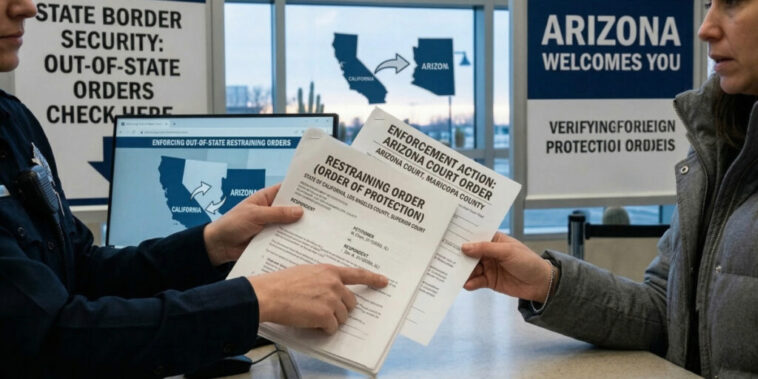
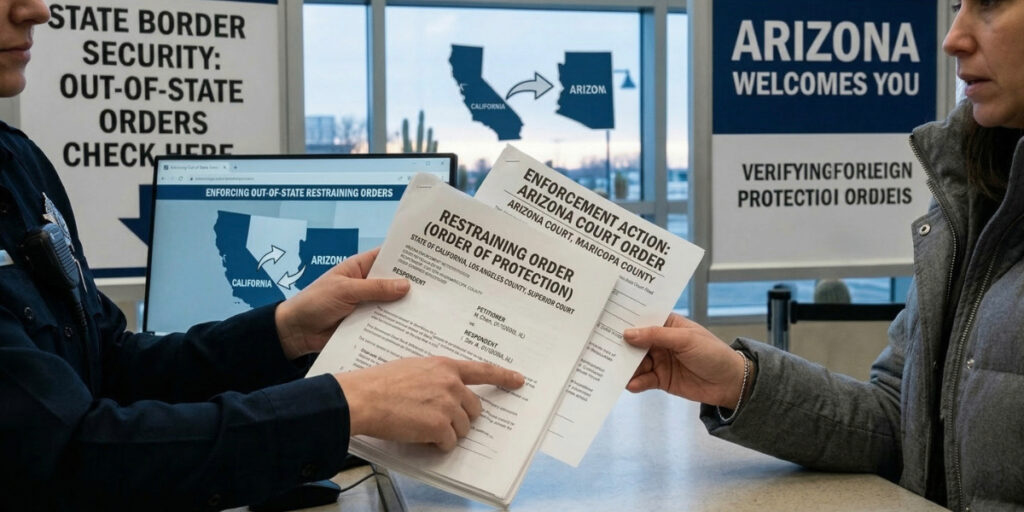
Moving to a new state can feel overwhelming, especially when you already have a restraining order in place. For many victims of abuse, relocation represents a crucial step toward rebuilding a safe, stable life. However, when that safety net – an out-of-state restraining order – must be recognized and enforced in Arizona, the situation can quickly become tangled with legal twists and turns. In this opinion editorial, we take a closer look at what happens when you move to Arizona with an existing restraining order, how local law enforcement treats it, and the practical steps you can take to feel more secure.
The legal landscape surrounding restraining orders is full of problems that can be intimidating to anyone who isn’t well-versed in the fine points of the law. Yet, for those who have little twists of hope, understanding the process can provide crucial clarity and peace of mind. This discussion digs into the practical issues faced by those crossing state lines with protection orders and offers clear advice on making your transition as smooth as possible.
Understanding Arizona’s Protective Framework
Arizona law provides several forms of protective orders, with an order of protection being the most common. These orders are designed to shield individuals from abuse, harassment, and any harmful contact. Whether the order originates in another state or is issued locally, the core idea remains the same – to create legal boundaries meant to ensure your safety.
Under Arizona statutes such as A.R.S. § 13-3602, a person facing domestic violence or being threatened with harm can request court intervention. The order may prohibit the abuser from making contact via calls, texts, or online messages and can also restrict access to shared spaces like homes or workplaces. Although Arizona might use terms other than “restraining order,” the overall purpose is universal: to protect the victim.
Many people still refer to these legal instruments as restraining orders, even though state courts might use distinct legal terminology. This simple language sticks because it describes the order’s primary goal – keeping you safe. At its core, Arizona’s protective framework is designed to offer continuity in protection, whether you remain in your original state or make a fresh start in the Grand Canyon State.
How Arizona Enforces Out-of-State Protection Orders
For those arriving in Arizona with a restraining order issued elsewhere, the good news is that local law enforcement agencies typically uphold these orders. Thanks to principles enshrined in federal law and Arizona’s commitment to full faith and credit, a valid out-of-state restraining order often continues to offer protection even after you relocate.
The full faith and credit clause requires states to recognize judicial decisions and orders made in other jurisdictions. This means that if your order was properly entered in another state, and if all the required legal protocols were observed, Arizona law enforcement is generally expected to enforce it. This legal concept reassures victims that their safety does not vanish simply because they sought a new beginning.
Below is a table that neatly summarizes the types of protective orders available in Arizona and their purposes:
| Type of Order | Purpose | Reference Statute |
|---|---|---|
| Order of Protection | For situations involving domestic violence among family or household members | A.R.S. § 13-3602 |
| Injunction Against Harassment | For harassment issues not fitting the domestic violence criteria | A.R.S. § 12-1809 |
| Workplace Injunction | For addressing offensive conduct and harassment in a work setting | A.R.S. § 12-1810 |
By clearly defining the types of orders and the circumstances they cover, Arizona law helps reduce the confusing bits often associated with protection orders. For anyone facing a situation riddled with tension and personal safety issues, knowing which order applies and why can provide a steady foundation during nerve-racking times.
Practical Steps: Should You Register Your Out-of-State Order?
A common question among those with an out-of-state restraining order is whether it should be registered locally upon moving to Arizona. Technically, you are not required to register the order for enforcement purposes. However, registering it can often lead to quicker and more straightforward enforcement when you need assistance.
Registration means filing your order with the local court or clerk, thereby creating a local record that law enforcement can access. Many victims of abuse choose this route because it often simplifies the process when immediate protection is needed in stressful circumstances. Even if the order is already in national databases, having a local copy could help expedite a response during a crisis.
Here are some reasons why registration might be a good idea:
- Local Accessibility: Ensures that law enforcement has immediate access to the order without needing to search national databases.
- Peace of Mind: Offers added assurance that your protection is documented within the state.
- Reduced Confusion: Helps avoid potential delays and misunderstandings about the order’s validity when interacting with local authorities.
It is always smart to get in touch with local court clerks who can walk you through the filing process. While they cannot provide legal advice, they can explain how to update your contact details or maintain confidentiality as needed – all essential considerations when your safety is on the line.
Temporary Versus Permanent Orders: The Key Differences
Not every restraining order is created equal. The legal system issues both temporary and more enduring orders, and your situation could influence which one you need to pursue after relocating.
A temporary restraining order is typically issued quickly, providing short-term protection until a formal hearing can be held. These orders are commonplace when there is an immediate need for safety, but they come with a limited lifespan. When you move, the temporary order remains important, but you must be aware of upcoming court dates or necessary paperwork to extend its duration.
Conversely, a permanent restraining order is issued after a more detailed court process. Although “permanent” may not mean forever, it usually lasts much longer than its temporary counterpart. If you arrive in Arizona with a permanent order that is still active, local authorities are generally expected to honor it, maintaining the legal shield against your abuser.
Deciding whether to stick with your existing order or request a new one in Arizona depends on several factors:
- Order Status: Is your current order nearing its expiration date or already expired?
- Location of Abuser: If the abuser has moved to Arizona, local enforcement might be simpler with a new order.
- Updated Circumstances: If new issues have arisen since the original order, such as repeated violations, you may need renewed protection.
It’s important to speak with a trusted legal professional who can help you assess these factors. While the law is designed to provide continuous protection regardless of state lines, personal circumstances often dictate the most practical course of action.
Dealing with Violations: What Happens When an Abuser Breaks the Order?
One of the scariest aspects of relying on a restraining order is the possibility that it may be violated. Whether you’ve moved to Arizona or are still in your original state, any breach of the order is treated very seriously. In Arizona, law enforcement can—and often will—step in if your safety is compromised by an abuser ignoring the order’s terms.
Violations can range in severity from repeated, unwanted messages or small acts of harassment to more direct confrontations like showing up at your home or workplace. Arizona law provides a robust framework to address these situations. For example, under A.R.S. § 13-2810, violating a court order can lead to arrest and further court action.
Below are some common signs of violations and the typical responses they prompt:
- Unwanted Contact: Continuous phone calls, texts, or emails against the order’s terms may result in immediate police intervention.
- Physical Intrusion: If the abuser appears at your residence or workplace, this is usually treated as a serious breach, leading to an arrest.
- Indirect Harassment: Sending messages through a friend or relative still violates the order and can support a case for further legal action.
- Online Harassment: Persistent online tracking or unwanted communication can be documented and used as evidence for additional protective measures.
It is crucial to document every incident, even if it seems like a small detail. Keeping clear records – including copies of texts, emails, and voicemails – can help build a case if you need to take further legal action. This documentation not only provides evidence of repeated behavior but also reinforces the ongoing risk to your safety.
The takeaway is straightforward: if you experience any violation of your restraining order, contact local law enforcement immediately and record every event in detail. These actions are key steps in ensuring that the full legal weight of the order is enforced.
Family Law Matters: When Restrictive Orders and Custody Issues Collide
A restraining order can sometimes complicate family law issues such as custody, parenting time, and shared responsibilities. If you have children and face abuse from a partner, you might also be tangled in additional legal challenges beyond the protection order itself.
In Arizona, custody cases are decided based on the child’s best interests. When domestic abuse is part of the history, courts are particularly careful in how they set up custody arrangements. A restraining order might influence court decisions by enforcing limitations on contact between the abuser and your children or by requiring supervised exchanges.
Here are several ways family law matters can be affected when a restraining order is in place:
- Custody Arrangements: The order can serve as evidence in determining whether the children should have limited or supervised contact with the abuser.
- Parental Decision-Making: Courts may consider the safety of the children a key factor when awarding decision-making authority.
- Parenting Time: The safety considerations for both the victim and the children may lead the court to arrange for limited visitation or require that exchanges occur in a controlled setting.
- Jurisdictional Issues: If custody orders were issued in another state, cross-jurisdiction issues can arise, potentially complicating enforcement and modifications of the order.
These intertwined legal issues emphasize how one’s fight for safety can expand into other legal areas. It’s important to be aware of these overlapping challenges and to consult with a legal professional who can help you figure a path through both the restraining order and the broader family law landscape. The subtle parts of each case matter greatly, and addressing them early on can prevent further complications down the road.
Local and National Resources for Victims of Abuse
In a situation filled with tricky parts and varied legal steps, knowing where to turn for reliable support is key. For many people relocating to Arizona, resource availability can make all the difference in ensuring continued protection and planned legal steps.
Several organizations and governmental bodies provide help and advice to abuse victims. These resources not only offer legal information but also provide emotional and practical support during nerve-racking times. If you’re not sure how to get started, consider reaching out to local shelters, advocacy groups, or even national websites dedicated to these issues.
Here is a brief overview of some of these invaluable resources:
- Local Shelters and Advocacy Groups: Many communities in Arizona have organizations dedicated to helping victims of domestic abuse. They can offer shelter, counseling, and guidance on legal matters.
- Court Self-Help Centers: These centers provide general guidance on court procedures and can direct you to the appropriate legal forms and filing instructions.
- Email Hotlines: Some organizations maintain hotlines that can answer your legal questions quickly, which is especially useful in a crisis.
- National Resources: Websites such as WomensLaw.org provide comprehensive information on legal rights and available protection measures across states.
- Legal Professionals: While general legal information is helpful, personalized guidance from a legal expert who understands the fine shades of your case is often a must-have.
These resources help simplify the process of making your way through the legal system, offering super important practical advice that can support you in moving forward safely. Even when the legal bits seem on edge, connecting with these organizations can give you the necessary details to proceed confidently.
Making Sense of the Practical Legality: Long-Term Planning and Safety
It is essential for anyone with an out-of-state restraining order to plan for both the short-term and the long-term implications. While the initial focus is naturally on immediate safety and protection, you must also think about how the legal conditions might evolve over time.
Consider these key steps to create a sustainable plan:
- Keep Documentation Handy: Always have a copy of your restraining order with you – either in physical form or digitally saved on a secure device. This reduces the risk of delays during a crisis.
- Understand Your Order’s Duration: Be aware of the expiration dates of temporary orders and the conditions for renewal of permanent ones. Missing a key date can complicate your legal status.
- Monitor Communication: Log every instance of unwanted contact from the abuser, as this evidence might be critical in extending or enforcing your order later.
- Update Local Authorities: If you notice any change in your personal circumstances or the abuser’s behavior after the move, inform local law enforcement or your court representative promptly.
- Consult Trusted Legal Professionals: Given the many small distinctions and hidden pieces involved in your order’s enforcement, getting professional advice can be incredibly reassuring.
While planning ahead might seem like an extra burden during a tense transitional period, these steps serve as an essential checklist to protect you and your family. The more organized you are, the less likely you are to encounter nerve-racking surprises, and the more control you have in your own safety planning.
Working with Legal Paraprofessionals: A Viable Option
For many victims seeking a smoother legal process, working with a legal paraprofessional can be an appealing alternative to traditional attorneys. In Arizona, professionals like Stephanie Villalobos offer specialized expertise as the first Legal Paraprofessional approved by the Arizona State Bar. Their role is to assist you with detailed court procedures, addressing protective order issues, and even handling some aspects of family law cases at a more affordable rate.
The advantages of working with a legal paraprofessional often include:
- Affordability: Legal paraprofessionals typically offer services at a lower cost than many traditional attorneys.
- Specialized Support: With decades of experience, these experts can help untangle the confusing bits of your case while offering clear, straightforward advice.
- Personalized Assistance: They provide one-on-one consultations, ensuring you get specific guidance tailored to your unique situation.
- Efficiency: Their specialized focus on family law and restraining orders means that they are deeply familiar with the local rules and can help you find your way quickly through difficult legal circumstances.
If you are facing issues related to moving with an out-of-state order, securing child custody, or any other family law concern intertwined with protective orders, a consultation with a legal paraprofessional may be one of the most super important steps you take. It can often be more reassuring and practical than navigating the system on your own, especially when the legal process is already loaded with challenging parts and small distinctions.
Weighing the Options: When to Seek Additional Legal Advice
The decision to register your restraining order, stick with your existing order, or request a new one in Arizona should never be taken lightly. Each case contains its own set of tangled issues, and determining the best course of action often requires a closer look at your personal circumstances and legal history.
Consider these guidelines when evaluating your options:
- Order Validity: Confirm that your current order is still active and enforceable. If it is nearing its expiration, you might need to inquire about renewal or filing a new order.
- Recent Incidents: If you have experienced recent threats or violations since the move, discussing these incidents with a legal advisor is critical.
- Jurisdictional Complications: If your case involves custody or other family law matters, extra steps may be necessary to clarify which state’s jurisdiction applies. In these sensitive cases, a lawyer can help establish just the right process.
- Safety Requirements: Your safety and that of your children should always be the foremost concern. If there is any doubt about the protection offered by an out-of-state order, do not hesitate to seek immediate legal help.
In essence, while Arizona’s legal system is built to honor valid court orders from other states, every additional detail – from updated contact information to the nuances of when and how the order was served – plays a critical role in its enforcement. Professional legal advice ensures that these little twists don’t turn into big stumbling blocks along your path to safety and peace of mind.
The Bigger Picture: A Reflection on Legal Protections Across State Lines
The reality is that protecting vulnerable individuals from abuse must remain a top priority, and the legal system strives to balance state-specific procedures with broader federal mandates. For those who have weathered the storm of abuse and decided to start over in Arizona, the ability to maintain protection across state lines is one of the key ways in which the law offers continuity during times full of problems.
It is heartening to see that both federal law – through provisions like those found in the Violence Against Women Act – and Arizona’s own statutes work together to ensure that victims do not lose their protective orders simply because they move. The legal commitment to recognizing valid orders across state boundaries reassures individuals that they are not abandoned in times of need.
At the same time, there is a pressing need for clarity and ease of process. The system, with its many twists and turns, can sometimes feel overwhelming, especially for those freshly emerging from challenging personal circumstances. This editorial hopes to simplify the confusing bits of the legal process and empower readers with the key details needed to feel secure when starting over in a new state.
Key Takeaways for Relocating with a Restraining Order
The essential points to remember when moving to Arizona with an out-of-state restraining order can be summarized in a few bullet points:
- Protection Continuity: Arizona law generally honors valid restraining orders from other states, meaning your protection can continue seamlessly.
- Registration Flexibility: While not mandatory, registering your order in Arizona may simplify enforcement during emergencies.
- Documentation is Crucial: Keep copies of your order and document any incidents of violation to support future legal actions.
- Impact on Family Law: Understand how protective orders may intersect with custody or parenting time issues, and plan accordingly.
- Access Local Help: Use local court resources, legal paraprofessionals, or community advocates to help you manage your case.
By making these points a routine part of your legal checklist, you empower yourself not only to stay safe but also to work through the legal system with confidence and clarity.
Final Thoughts: Taking Charge of Your Safety and Legal Future
Relocating while under the protection of an out-of-state restraining order presents its share of complicated pieces, but it need not be an insurmountable hurdle. Understanding how the enforcement mechanism works in Arizona is super important for making informed decisions and ensuring your personal safety. Whether you register your order, document every incident, or consult with a legal paraprofessional, each step you take contributes to a more secure and manageable reality.
Even though the legal process is loaded with challenging steps and small details that must be accounted for, remember that help is available. Numerous resources – both local and national – exist to assist you in sorting out these matters, making your way through the legal maze, and ultimately safeguarding your future.
For those who have taken the difficult decision to leave behind an abusive environment and start again, the law is there to offer protection every step of the way. It may require you to figure a path through some nerve-racking formalities and engage with multiple legal bodies, but your safety remains a top priority.
If you find yourself needing further guidance, consider consulting with trusted legal professionals who understand the hidden complexities of these cases. Their expertise can make a noticeable difference in how smoothly and confidently you manage this chapter of your life.
The journey to safety is rarely simple, and while the twists and turns of legal requirements can feel overwhelming, each informed decision you make contributes to a brighter, healthier future. With clear legal standards, accessible support systems, and a focused approach, you can steadily work your way toward the security and peace of mind you deserve.
In summary, the enforcement of out-of-state restraining orders in Arizona is a critical aspect of ensuring that victims of abuse continue to receive the protection they need. By understanding the legal framework, registering your order when appropriate, and taking proactive steps to document and address any violations, you reinforce your right to safety. May your journey be marked by resilience, informed decisions, and the support of professionals dedicated to helping you turn a new leaf.
As we witness ongoing improvements in legal processes and increased support for victims across the nation, it becomes evident that every small step counts. Whether it’s through local advocacy, personal documentation, or professional legal counsel, your effort to secure your protection stands as a testament to the law’s ultimate goal – the preservation of safety, dignity, and the hope of a better tomorrow.
Read more about this topic at https://www.denovolawaz.com/out-of-state-restraining-orders-what-happens-when-you-move-to-arizona/
Related articles you might like
Protection Orders | Learn
Request a Protection Order for Crime Victims