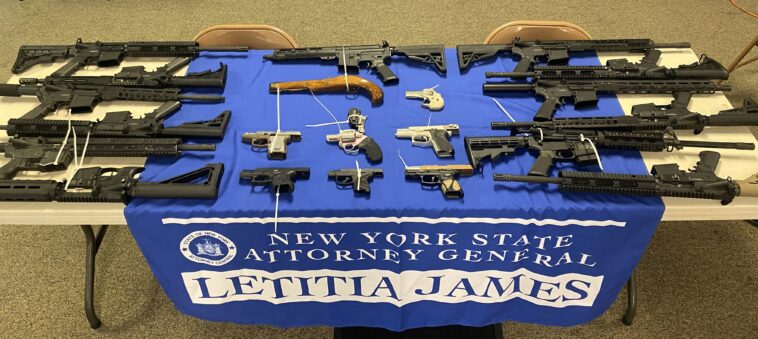

Reflecting on New York’s Landmark Gun Accountability Law
The recent ruling by the United States Court of Appeals for the Second Circuit in the case of National Shooting Sports Foundation (NSSF) v. James represents a turning point in New York’s approach to controlling gun violence. In this opinion editorial, we take a closer look at how this decision reinforces the state’s strict gun regulations and why it matters for public safety. With an extensive review of the court’s ruling, the history behind New York’s legislative measures, and the potential future impacts, we offer a balanced perspective on the ongoing debate over gun accountability.
New York Attorney General Letitia James described the ruling as a massive victory for public safety – a statement that resonates not only in legal circles but with communities across the state that have endured the painful repercussions of gun violence. The decision affirms the state’s ability to hold firearm manufacturers and sellers responsible when their actions lead to injuries and deadly consequences. As this landmark case unfolds, it provides an opportunity to reflect on both the legal and societal implications tied to gun accountability.
Understanding the Court’s Ruling and Its Implications
The Second Circuit’s decision to uphold New York’s firearms accountability law is a powerful demonstration of how the legal system can support measures aimed at reducing gun violence. The court’s reasoning solidly reinforces the idea that state and local governments have the right to intervene if the sale and marketing of firearms contribute to severe consequences for public safety.
This decision is not merely a legal formality—it is an affirmation that states have the responsibility to stand up for their communities. By ensuring that manufacturers and sellers are held accountable for negligent practices, New York is setting a precedent for other states to follow in crafting tougher regulations to battle gun violence.
Breaking Down the Fine Points of the Ruling
The ruling touches on several subtle parts that are essential for understanding its full impact:
- Accountability for Misconduct: The judgment confirms that if companies are negligent or engage in risky business practices related to the sale and marketing of firearms, they can be subject to legal consequences.
- Protection of Public Safety: By holding these companies accountable, the law aims to reduce the chances of firearms ending up in the hands of individuals who may pose a danger to society.
- Legal Precedent Setting: The decision serves as a clear message that similar measures in other jurisdictions may also stand up to judicial scrutiny, given the correct application of constitutional and statutory mandates.
- Community Reassurance: The ruling provides reassurance to residents that their safety is a priority and that the state is actively reinforcing policies intended to lower the rates of gun-related incidents.
This breakdown of the decision’s little details emphasizes how the state’s law is not only about punitive measures but also about creating an environment where public safety is at the forefront of legislative innovation.
Lessons from the National Shooting Sports Foundation v. James Case
The NSSF v. James litigation has been closely observed by both legal experts and community advocates. In analyzing the case, several tricky parts emerge that are crucial for a comprehensive understanding:
- Legal Challenges to Statutory Authority: Critics argued that New York overstepped its bounds by trying to regulate gun sales so stringently. However, the court’s decision underscores that the powers vested in state authorities include the regulation necessary to protect citizens from undue harm.
- Evidence and Causation: Establishing a direct link between the marketing strategies of gun sellers and specific incidents of gun violence is a nerve-racking task. The courts had to sift through complicated pieces of evidence that showed clear patterns of misconduct leading to real harm.
- Balancing Rights and Responsibilities: The case brought to light the inherent tension between the right of individuals to access firearms and the state’s responsibility to ensure those firearms are sold and marketed safely.
- Impact on Future Legislation: This ruling may pave the way for tougher, more comprehensive regulatory measures not just in New York, but in other states seeking to emulate similar accountability standards.
Through this case, it becomes evident how the judicial system can support state regulatory efforts, even when these efforts are up against significant legal and political challenges. The delicate balancing act between individual rights and societal safety is emblematic of the broader, ongoing debate surrounding gun laws in America.
Public Safety and Gun Accountability: A Broader Perspective
While the legal victory is significant, it is equally important to consider how this ruling fits into the broader context of public safety. The decision is a clear message that the government, at both state and local levels, is prepared to step into areas where there are tangled issues in the sale and regulation of firearms.
The following points help to illustrate this perspective:
- Preventing Future Tragedies: By holding those responsible for negligent practices accountable, the law works as a preventive measure, aiming to reduce the likelihood of future gun-related tragedies.
- Enhancing Community Trust: When communities see that robust legal measures are in place to address gun violence, trust in governmental institutions is strengthened, and the public feels more secure.
- Encouraging Better Business Practices: Firearm manufacturers and sellers are motivated to improve their practices and integrate stronger safeguards, knowing they may face legal repercussions if they fail to do so.
- Setting an Example: New York’s legal framework provides a model for other jurisdictions grappling with similar violent challenges, encouraging them to adopt more proactive safety measures.
The alignment between legislative action and judicial endorsement is a key factor in creating a safer community for all residents. It is a testament to the idea that the law is a dynamic tool—capable of evolving to address the socio-legal challenges that modern society faces.
Key Considerations in Strengthening Gun Regulations
There are several intertwined factors that policymakers and community leaders must consider when rethinking how gun accountability laws are implemented. Here, we explore the responsibilities and potential benefits of such measures:
Enforcing Accountability and Responsibility
Ensuring that firearm manufacturers and sellers maintain high standards of accountability is a critical element. As highlighted by the ruling, companies engaged in improper marketing or negligent behavior in the sale process can be held responsible for contributing to gun violence. There are some key features to note:
- Clear Legal Obligations: Companies must adhere to strict guidelines regarding how firearms are marketed and sold. These standards are designed to prevent loopholes that might otherwise endanger public safety.
- Rigorous Oversight: State and local governments are tasked with the ongoing monitoring of compliance with these laws, ensuring that manufacturers and sellers are operating within the legal framework.
- Transparency and Reporting: Requiring companies to maintain thorough records and report on their practices ensures they remain answerable to regulatory authorities.
Implementation of such accountability measures provides a clear message: responsible business practices are not optional but a legal obligation that prioritizes the welfare of citizens.
Balancing Business Interests with Community Safety
While strict legal measures are essential, it is important to strike a balance between protecting public safety and supporting legitimate business interests within the firearms industry. The following considerations play a super important role:
- Legal Protections for Commerce: The law must safeguard businesses from unfair liabilities while ensuring that any negligence or unethical practices are properly penalized.
- Economic Impacts: New York’s rigorous standards may influence business operations, but they are designed with the long-term benefit of lower social and economic costs associated with gun violence.
- Industry Adaptations: Manufacturers and retailers are encouraged to innovate and adopt best practices that align with both legal requirements and public expectations of safety.
Through thoughtful adjustments and continued dialogue between policymakers and business leaders, a more balanced approach can be maintained, ensuring that both public safety and economic viability are achieved.
Learning from Past Experiences and Charting a Future Course
As part of the discussion on gun accountability, it is vital to consider lessons from past efforts and how they can inform future legislative measures:
- Historical Context: New York’s regulatory framework has evolved over decades. Understanding the successes and challenges of past gun laws helps frame the current debate in a broader context.
- Data-Driven Approaches: Leveraging statistics and case studies of gun-related incidents provides measurable insights into the effectiveness of accountability laws.
- Community Feedback: Listening to the experiences and concerns of affected communities is critical in refining legal approaches and building broader support for such laws.
This process of continuous improvement demonstrates the state’s commitment to adapting legal measures in response to shifting societal realities while preserving the primary goal of public safety.
The Role of Local Authorities in Enforcing Gun Accountability
Local authorities are on the frontline in implementing New York’s stringent gun laws. Their role is essential in ensuring that state mandates translate into effective, real-world safety measures. There are several ways in which local agencies are making a difference:
Collaboration with Community Organizations
Local law enforcement and community groups work together to help identify problematic practices and bring them to the attention of regulatory bodies. This cooperation is laid out as follows:
- Community Outreach Programs: Regular meetings and workshops educate citizens on how the law protects them and what steps to take should they notice irregularities in firearm sales.
- Reporting Mechanisms: Local agencies often set up hotlines or other reporting tools that allow community members to flag potential issues related to gun marketing and sales.
- Joint Investigations: Collaboration between different branches of local government and law enforcement ensures that investigations into any misconduct are thorough and well-coordinated.
Such initiatives help demystify the legal process and encourage greater public participation in upholding community safety standards.
Enhanced Training and Education
Local authorities are increasingly recognizing the need for enhanced training to identify the subtle parts of illegal or unethical practices in the firearms industry. Comprehensive training programs can help officers and regulatory officials:
- Understand the legal framework and its practical implications.
- Spot warning signs linked to dangerous business practices.
- Work more effectively in collaboration with federal and state agencies.
These training modules combine theoretical legal education with practical scenarios to help local authorities find their way through challenging enforcement situations.
Monitoring and Compliance Efforts
Ensuring compliance is an ongoing, nerve-racking task, especially given the dynamic nature of the firearms market. Local agencies are tasked with:
- Regular Inspections: Conducting frequent audits and inspections of firearm dealers to ensure adherence to the law.
- Data Collection: Using modern technology to gather and analyze data on gun sales, marketing methods, and subsequent impacts on public safety.
- Enforcement Actions: Issuing penalties or initiating legal action when violations are discovered.
A collaborative approach between local enforcement and state oversight mechanisms is essential to address and rectify any twisted issues that arise throughout the implementation process.
Impact on National Debate About Gun Control
The New York decision not only shapes state policy—it also reverberates across the national dialogue on gun control and accountability. In recent years, conversations about gun legislation have often been loaded with tension and divided opinions. By standing firm in their regulatory approach, New York authorities offer a case study in effectively managing a sensitive and controversial issue.
Setting a Precedent for Other States
This judicial backing signals to other states that attempts to hold gun manufacturers and sellers accountable for contributing to gun violence are both feasible and legally sound. Here are several implications:
- Model Legislation: Other states may look to New York’s law as a blueprint for drafting or revising their own regulations. The careful design of the law—balancing community safety with respect for commercial operations—illustrates a well-thought-out framework that can be adapted elsewhere.
- Encouraging Policy Reform: The decision encourages a broader reevaluation of regulations on a national scale, prompting lawmakers to consider similar measures that bridge the gap between regulation and personal responsibility.
- Judicial Confidence: The support of the appellate court builds judicial confidence in the approach taken by New York, potentially smoothing the path for future courts to uphold similar statutes in other jurisdictions.
This outcome is a testament to how an assertive and detail-oriented approach to gun accountability can catalyze broader reforms in an arena that is often full of problems and tense debates.
Narrowing Down the Small Distinctions in Gun Legislation
A key element in the national discourse is recognizing the subtle details that differentiate effective gun regulations from those that are less enforceable or even counterproductive. By examining the decision closely, we can identify a few small distinctions that make a big difference:
- Strict vs. Lenient Enforcement: The ruling emphasizes that robust enforcement of accountability measures can lead to real change, whereas looser regulations only contribute to further ambiguity. States with less rigorous measures might find themselves struggling with the fine shades of legal interpretation.
- Preventive Measures vs. Reactive Solutions: New York’s strategy focuses on preventing dangerous practices before they result in harm. This pre-emptive approach is generally more effective and less off-putting than reacting after incidents occur.
- Cooperation Across Government Levels: The seamless collaboration between state and local authorities highlights that effective regulation requires aligned strategies across all tiers of government—a subtle yet hugely important detail.
By narrowing down these slight differences, policymakers and advocates alike can build stronger, more consistent frameworks to address gun violence comprehensively.
Challenges and Ways Forward in Gun Accountability Enforcement
Despite the positive stepping stone represented by the recent ruling, several intimidating challenges remain when it comes to enforcing gun accountability laws. It is necessary to dig into these challenges as well as to explore workable solutions for the future.
Dealing with Legal and Logistical Hurdles
One of the most overwhelming challenges is managing your way through the tangled issues of legal accountability. Here are some of the issues:
- Legal Ambiguities: Although the court’s decision has clarified many of the twisted parts of accountability law, some aspects remain open to interpretation, creating room for future legal disputes.
- Resource Allocation: Enforcing these laws requires substantial manpower and financial resources. Smaller jurisdictions might find it nerve-racking to allocate enough funds for rigorous oversight and compliance checks.
- Industry Resistance: Many firearm manufacturers and sellers may attempt to push back against stringent controls. Balancing these economic interests with public safety measures is a challenging proposition that demands constant vigilance.
To address these legal and logistical challenges, it is crucial for policymakers to remain flexible and open to adjustments as new evidence and circumstances emerge.
Strategies to Improve Enforcement and Community Involvement
Given the full-of-problems nature of enforcing gun regulations, several practical steps can be taken to further strengthen the system:
- Enhanced Data Collection and Analysis: Creating centralized databases to track gun sales, marketing approaches, and related incidents can provide invaluable insights for regulators.
- Community-Based Reporting Networks: Empowering communities to take an active role in reporting suspicious practices can serve as an early warning system. Local governments could set up dedicated hotlines or online platforms to facilitate this process.
- Regular Legislative Reviews: Laws should be periodically reviewed to incorporate new findings and adapt to emerging trends in the firearms industry. This proactive approach helps in addressing any hidden complexities as they arise.
- Public Awareness Campaigns: Informing citizens about their rights and the responsibilities of firearm manufacturers and sellers through education campaigns can build public support and trust in the regulatory framework.
These strategies, when combined, offer a multifaceted approach that not only tackles the legal aspects but also addresses the everyday challenges faced by communities and enforcement agencies.
Balancing Constitutional Rights and Public Safety Concerns
At the heart of the gun accountability debate is the perennial challenge of reconciling constitutional rights with the need to protect public safety. This area of discussion remains as tense as ever, yet several pragmatic perspectives offer a path forward:
Respecting the Right to Bear Arms Yet Ensuring Accountability
One of the largest challenging parts of the debate is acknowledging that gun ownership is embedded in the nation’s constitutional framework while still imposing responsibilities on those who profit from the firearms market. The key ideas in this balancing act include:
- Constitutional Guarantees: The right to bear arms is a core component of American liberty, yet constitutional rights are not without boundaries. Legislation such as New York’s accountability law respects these rights while ensuring there are checks on dangerous practices.
- Focus on Conduct, Not Ownership: The law is not about restricting ownership but rather about ensuring that any sale or marketing process is carried out with the utmost responsibility and transparency.
- Community Protection as a Paramount Goal: The overarching objective remains the safety and well-being of the community, which must be balanced with individual rights in a fair and just manner.
This balanced view is essential in discussions where both sides of the argument hold firm convictions, and where the ultimate goal is to mitigate harm while upholding constitutional liberties.
Exploring Legislative Flexibility and Adaptability
In a dynamically changing social and technological environment, the ability to tweak and improve the law is super important. Legislators can consider a range of measures to ensure that legal frameworks remain robust and responsive:
- Periodic Policy Reviews: Regular sessions dedicated to assessing the law’s performance in reducing gun violence can help policymakers adjust provisions to address emerging challenges.
- Stakeholder Engagement: Inviting input from community advocacy groups, legal experts, law enforcement, and industry representatives allows for a richer, more nuanced approach to reform. This collaborative process can help uncover the hidden complexities in current practices and suggest more effective solutions.
- Pilot Programs: Implementing experimental measures in specific localities can provide practical insights into what works best before broader legislative changes are adopted.
These flexible strategies can aid in creating a legal landscape that is both effective in protecting public safety and respectful of individual freedoms.
The Future of Gun Accountability in a Changing Society
The recent court ruling is best understood not as an endpoint but as an important milestone on a longer journey toward a safer society. As technological advances and societal shifts continue to reshape how we view firearms and public safety, the legal landscape must evolve accordingly.
Innovations in Legal Enforcement and Technology Integration
One promising area is the integration of modern technology with legal oversight. Law enforcement agencies can benefit from advanced tools that help crack down on problematic practices in the firearms industry:
- Data Analytics Platforms: These platforms can process vast amounts of information to identify patterns of misconduct in real time. By using such systems, regulators can detect early signs of irresponsible behavior before it culminates in tragedy.
- Automated Compliance Monitoring: Technologies that automatically track marketing practices and sales methods could significantly reduce the burden on human resources, allowing a more efficient enforcement process.
- Real-Time Reporting Tools: Mobile applications and online portals can empower the public to instantly report suspicious activities, thereby creating a more collaborative environment between law enforcement and communities.
Such innovations may prove essential in managing the tricky parts of enforcing accountability laws in an era where both technology and criminal tactics are rapidly evolving.
Interstate Collaboration and National Standards
New York’s ruling could serve as a catalyst for broader national discourse on gun accountability, forging stronger collaborations between states. Some potential areas for interstate cooperation include:
| Area of Collaboration | Potential Benefits | Steps Forward |
|---|---|---|
| Sharing Best Practices | States can learn from each other’s successes and challenges, reducing the trial-and-error process. | Establish regular inter-state forums and working groups. |
| Legal Harmonization | More consistent standards across states can minimize loopholes and reduce forum shopping by litigants. | Create consensus-driven guidelines that inform state-level legislation. |
| Joint Technological Initiatives | Pooling resources to develop advanced data tracking and reporting systems can benefit all states. | Collaborate on research and invest in shared technology platforms. |
By fostering collaboration at a national level, the lessons learned in New York could lead to the adoption of more uniform standards that address the subtle details of gun accountability across the country.
Conclusion: A Milestone in the Ongoing Battle Against Gun Violence
The appellate court’s decision in the NSSF v. James case is, without a doubt, a significant victory in the long fight against gun violence—a fight characterized by many twists and turns. It reinforces the principle that if the sale and marketing processes are fraught with risky or negligent practices, then those responsible must be held answerable in the eyes of the law.
Through effective accountability measures, rigorous enforcement, and forward-thinking strategies, New York is paving a path that other states may soon follow. This legal milestone sends a clear signal: protecting public safety is, and must continue to be, a top priority. As communities, lawmakers, and law enforcement agencies work together to figure a path through the challenging parts of this issue, the hope is that future generations will benefit from a society in which safety and responsible commerce coexist harmoniously.
While the debates are ongoing and many of the practical details remain off-putting and loaded with issues, the ruling is a testament to a continued commitment to innovative thinking and adaptability in legislative frameworks. By combining legal acumen, technological advancements, and community engagement, New York’s approach to gun accountability provides an essential model for creating safer public spaces across the nation.
The journey ahead may remain intimidating, but each legal victory, like the one secured by Attorney General Letitia James, brings us one step closer to a fairer and more secure society—one where the responsibility of ensuring safety is shared by both the private sector and the public institutions entrusted to protect them.
As we digest the implications of this decision, it is crucial for citizens, businesses, and lawmakers to continue the dialogue. Keeping an open mind and a balanced perspective will allow all stakeholders to work together in addressing the small distinctions and tangled issues associated with gun accountability, leading to policies that not only enforce strict adherence to safety norms but also respect the fundamental rights at the heart of American society.
Ultimately, the path forward is one of cooperation, adaptation, and an unwavering commitment to protecting every community. As we take a closer look at the legal shifts and the evolving technological landscape, New York’s example highlights the super important role that clear, accountable, and responsible regulation plays in curbing the cycle of gun violence—a lesson that holds true now and for generations to come.
Originally Post From https://ag.ny.gov/press-release/2025/attorney-general-james-successfully-defends-new-yorks-nation-leading-gun-laws
Read more about this topic at
Second Amendment – Gun Laws
Protecting Second Amendment Rights