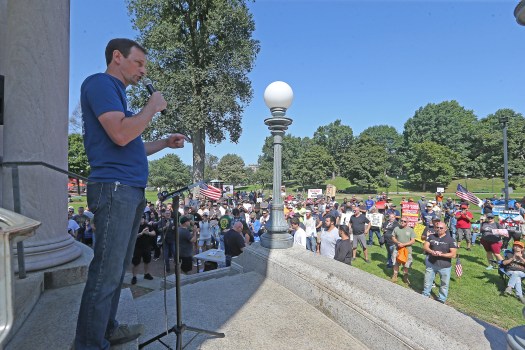

Examining Gun Permit Delays in Massachusetts
The discussion about gun permit delays in Massachusetts is full of problems and loaded with tension. Recently, gun-rights advocates have called on the U.S. Department of Justice (DOJ) to look into the Boston Police Department’s handling of firearm carry permit applications. Their request comes at a time when the DOJ has been investigating similar delays in other parts of the country, notably in Los Angeles. In this opinion editorial, we’ll get into the issue, break down the tangled issues surrounding permit applications, and discuss the call for a deeper federal probe into local administrative practices.
This piece aims to offer a neutral perspective on the matter, as we take a closer look at the legal and administrative twists and turns that are involved. We also highlight potential implications for gun-rights activism, public trust, and legal accountability. Our analysis is supported by historical context, current developments, and expert interpretations of legal processes affecting Second Amendment rights in Massachusetts.
Understanding the Background: A Call for DOJ Involvement
The current dispute originates from a letter drafted by gun-rights groups—namely the Gun Owners’ Action League and Commonwealth Second Amendment—addressing the DOJ. In it, the groups argue that the Boston Police Department is responsible for a growing backlog of firearm carry permit applications. They allege that this delay prevents law-abiding citizens from exercising their Second Amendment rights fairly and efficiently.
Similar claims have been made in Los Angeles, where delays in processing permits prompted the DOJ to investigate. The comparison between the two jurisdictions highlights the possibility that administrative problems, rather than the inherent trickiness of the law, may be behind these instances of permit delays.
Call for federal oversight like this is not isolated, as administrative mishandling has historically led to national discussions on the responsibilities of local law enforcement versus federal oversight. Such disputes often raise questions about transparency, accountability, and public trust.
Dissecting the Legal Framework for Gun Carry Permits
A deeper look into the process of obtaining a gun permit in Massachusetts reveals several complicated pieces that contribute to delays. The procedure includes various steps: background checks, fingerprinting, interviews, and, in some cases, additional documentation or training requirements. Each step has its own fine points and little details that could potentially slow the process for a well-qualified applicant.
Many legal experts agree that while stringent permit processes are intended to enhance public safety, they can sometimes become so nerve-racking and overwhelming that they lead to unintentional delays. These delays can create a tension between ensuring safety and protecting constitutional rights.
Below is a table summarizing the typical steps and potential bottlenecks in the mass permitting process:
| Permit Process Stage | Potential Bottlenecks |
|---|---|
| Application Submission | Incomplete forms or lack of required signatures |
| Background Checks | Delays in obtaining updated criminal records from various agencies |
| Fingerprinting | Limited availability of certified fingerprinting services |
| Interviews | Scheduling conflicts and high volume of applicants |
| Final Approvals | Administrative backlog and local policy interpretations |
The issues detailed in the table illustrate that even a small inefficiency in any part of the process can have a cascading effect on the overall permit turnaround time. It’s important to note that while administrative delays can be frustrating, they can also be symptomatic of larger issues such as understaffing, outdated systems, or overly cautious bureaucratic practices.
The Role of the DOJ: Ensuring Fair Application Procedures
When the DOJ steps in to investigate matters such as these, its mandate is to ensure that applications for gun permits are processed in a timely and uniform manner, in line with federal and state laws. The intervention is seen less as a critique of local authorities and more as a necessary measure to ensure that constitutional rights are not unintentionally sidetracked by tangled administrative processes.
The involvement of the DOJ is often welcomed by advocates who feel that local practices may be too influenced by political or bureaucratic factors. By applying federal oversight, it is believed that systemic inefficiencies can be identified and remedied, benefiting both law enforcement agencies and responsible gun owners alike.
In examining the DOJ’s previous actions, one can see that federal reviews are not uncommon when there is evidence of dysfunctional permit systems. The aim is not to undermine local authority but to provide a second layer of assurance that all legal procedures are followed correctly.
Analyzing the Arguments of Gun-Rights Advocates
The gun-rights advocates argue that permit delays are not just administrative missteps but a significant burden on individuals whose constitutional rights might be infringed by bureaucratic deadlock. Their main points include:
- Fair access to application processes is essential for the protection of Second Amendment rights.
- The administrative delays may be indicative of a broader issue of accountability in local law enforcement.
- The presence of a backlog could discourage law-abiding citizens from pursuing lawful firearm possession, potentially leaving them unprotected.
This perspective is driven by the belief that every citizen should have the opportunity to exercise their constitutional rights without unnecessary hurdles. However, the subject is not black and white. The challenge lies in balancing public safety concerns with the rights of individuals, a balance that is tricky to maintain when administrative issues come into play.
Legal experts have offered mixed opinions on whether the delays are due to intentional obstruction or merely a clash of inefficient systems and growing demand. Either way, the transparency of these processes remains a critical area for potential reform.
Balancing Public Safety and Individual Rights
The legal conversation surrounding gun permits often revolves around the delicate task of ensuring public safety while safeguarding individual rights. Critics of overly lenient processes fear that easy access to firearms can lead to increased risks of violence and crime. Conversely, supporters of stricter processes insist that gun owners must prove their reliability and competence before being granted the responsibility of firearm ownership.
One key challenge lies in the administration’s role. The local law enforcement bodies are tasked with the responsibility to both protect communities and uphold individual rights. When delays occur, citizens may experience a sense of frustration, perceiving the system as both intimidating and off-putting. In such a situation, federal intervention may provide the necessary oversight and assurance that permits will be processed fairly.
It is a worried balance, and a table outlining the pros and cons side-by-side might offer clearer insight:
| Aspect | Pros | Cons |
|---|---|---|
| Efficient Permit Processing |
|
|
| Thorough Administrative Review |
|
|
Comparisons with Other Jurisdictions: Learning from Los Angeles
The situation in Massachusetts is not unique. The DOJ’s scrutiny of gun permit delays in Los Angeles has provided a precedent for federal intervention. Los Angeles, with its own set of tricky parts and tangled issues, demonstrated that local decisions, when questioned, can draw nationwide attention.
Activists have drawn parallels between Los Angeles and Massachusetts, suggesting that both regions suffer from similar complicating factors—be it administrative backlogs, resource constraints, or ambiguous local policies. In both cases, there is a clear call for a federal review to ensure that local practices meet high standards of fairness and legality.
This comparison underscores the idea that systemic administrative problems can span across diverse jurisdictions, regardless of local culture or community size. What remains constant is the necessity for a balanced approach that does not infringe on citizen rights while still maintaining effective public safety measures. By taking a closer look at both examples, policymakers and federal authorities can identify recurring problems and propose lasting reforms.
Public Trust and Government Accountability
At the heart of the controversy surrounding gun permit delays is the issue of public trust. The perception that bureaucracies are not efficiently processing applications can erode confidence in both local law enforcement and the broader government apparatus. When citizens feel that their fundamental rights are being impeded by a sluggish system, doubts about governmental accountability naturally arise.
Calls for a DOJ investigation are thus partly driven by a desire for external oversight to bolster credibility and trust. An independent review can clarify whether delays are the result of systematic inefficiencies or if there are other hidden complexities at play. This form of accountability is especially important in a political climate where both sides of the gun control debate are highly sensitive to any hints of administrative overreach or neglect.
Furthermore, enhanced public trust can lead to broader community support for law enforcement initiatives. When people believe that their applications are handled with care, it fosters a sense of mutual respect and cooperation between citizens and the authorities charged with protecting them.
Digging into the Administrative Challenges
Beyond the contentious political debates, the root cause of permit delays can be attributed to several administrative challenges. Understanding these challenges requires us to dive in and poke around the underlying operational procedures within local police departments. Here are some of the key issues identified by observers:
- Insufficient Staffing: Many departments are understaffed, meaning that the workload associated with processing gun permits can quickly overwhelm the available personnel.
- Outdated Systems: Legacy software and inefficient record-keeping practices can prolong the administrative process.
- Ambiguous Guidelines: Differences in interpretation of state and federal laws sometimes result in extended review periods as officials try to get every little twist right.
- High Volume of Applications: In areas where there is a surge in applications, the existing infrastructure may simply not be able to keep pace with the demand.
Each of these points contributes a piece to the puzzle, and understanding them is key to finding a sustainable solution. Addressing these issues may require a combination of increased funding, policy reforms, and updated technological systems that can better handle the workload without sacrificing the quality of the review process.
Routes to Reform: Policy and Technological Overhaul
The call for reform in handling gun permit applications is not without merit. Many experts believe that a comprehensive review and overhaul of current administrative systems is necessary to both reduce delays and uphold applicants’ rights. Here are several potential routes to reform:
- Increased Funding: By allocating more resources to the processing departments, local authorities might ease the burden on current staff and reduce application backlogs.
- Enhanced Training Programs: Regular training can help officers stay updated on the fine shades of evolving laws and administrative practices, ensuring a smoother application process.
- Adopting Modern Technologies: Implementing advanced digital systems for application tracking and background checks can streamline operations and reduce human error.
- Policy Clarification: Clearer guidelines at the state and federal levels would help standardize the process, making it easier for both applicants and officials to understand the necessary steps.
Below is a simplified table that summarizes potential solutions alongside their expected benefits:
| Proposed Reform | Expected Benefit |
|---|---|
| Increased Funding | More resources for staffing and technological upgrades |
| Enhanced Training | Better-informed officials and smoother application processes |
| Modern Digital Systems | Reduced wait times and minimized human error |
| Policy Clarification | Standardized procedures and fewer administrative disputes |
Implementing these reforms would not only address the immediate concerns of permit delays but also build a framework for long-term efficiency and public trust in local law enforcement.
Implications for Gun Rights and Public Safety in Massachusetts
Massachusetts is known for its stringent gun laws and a more cautious approach to firearm ownership. For many advocates of gun rights, delays in permit processing represent a critical barrier that can discourage lawful and responsible gun ownership. The implications of such delays are complex and multifaceted:
- Impact on Law-Abiding Citizens: Citizens who meet all legal requirements might face unnecessary hurdles before acquiring the protection they believe is essential for self-defense.
- Perceived Government Overreach: When administrative processes become overly cumbersome, it can feed into a narrative of government overreach or inefficiency, regardless of the law’s original intent.
- Public Safety Concerns: Although the intention behind thorough checks is to prevent danger, if the process is too drawn out, it might leave law-abiding citizens vulnerable in situations where they feel unprotected.
- Economic Costs: Administrative delays also have an indirect impact on local businesses and the overall economy, particularly when services required by citizens are interrupted or delayed.
These points illustrate the delicate balance that must be maintained. On one hand, strict regulatory measures are essential for ensuring that firearms do not land in the wrong hands. On the other hand, overly burdensome processes might inadvertently undermine the very rights they aim to protect.
Perspectives from Legal Experts and Community Leaders
Legal experts and community leaders have offered varied perspectives on whether a DOJ investigation is the correct way forward. Many argue that the current situation is less about deliberate obstruction and more about the overwhelming, often intimidating effects of bureaucratic procedures.
Some legal professionals note that federal oversight, when applied in a measured and neutral manner, can help steer through administrative glitches while protecting the individual rights enshrined in the Constitution. Others, however, stress the importance of local accountability and fear that too much external intervention might dilute the authority of local law enforcement, who are best positioned to understand their community’s unique challenges.
Key opinions include:
- Support for DOJ Action: Proponents argue that a federal review will uncover the little twists in the current system and ensure that every legal applicant is given fair consideration. They stress that the intervention is not meant to criticize local officials but to help them iron out the nerve-racking delays.
- Advocacy for Local Reform: Critics of federal intervention believe that internal reforms—such as increased funding, improved training, and better information management—are the appropriate solutions. They emphasize that local authorities should be given the chance to resolve these tangled issues independently, with federal bodies stepping in only if local changes are insufficient.
This diversity in opinion reflects the broader national debate on gun rights versus gun control—a debate that is inherently full of problems and often on edge. The federal government’s role in these matters has long been a subject of debate, with many arguing that the DOJ should act as a mediator in balancing state autonomy with constitutional safeguards.
Assessing the Broader National Context
The Massachusetts case fits into a larger national narrative regarding how gun permits are managed across the United States. Federal law mandates certain protocols to be followed by local authorities, yet the execution of these protocols varies widely by jurisdiction. Such variations not only complicate the experiences of individual applicants but also add another layer of tension to an already delicate subject.
For example, states like Arizona and Florida have streamlined permit processes that aim to make it easier to obtain firearms legally, whereas states with stricter interpretations of gun laws, such as Massachusetts, can present significantly more hurdles. These differences often create confusion among law-abiding citizens who travel between states or relocate, leaving them to figure out a new and complicated administrative web each time.
This inconsistency has led to calls for a more standardized approach at the federal level—one that provides clear guidance while allowing for local context. Achieving such a balance is challenging, but federal reviews like the one proposed for Boston could be seen as steps toward a more cohesive national policy on gun permits.
Understanding the Role of Media in Shaping the Public Discourse
Media coverage of gun permit delays plays a critical role in influencing public opinion. Reports on administrative mishandling and delays can often highlight the intimidating and off-putting effects of overly cautious bureaucratic processes. This coverage, in turn, can spur public demand for government accountability and prompt legislative action at both local and federal levels.
Objective reporting is essential in these scenarios. Media outlets have the responsibility to present the small distinctions in the issue, without veering into sensationalism. By offering a balanced perspective, the media helps maintain a check on both local law enforcement and federal agencies, ensuring that every step of the process is under continuous public scrutiny.
In our current climate, where trust in governmental institutions is often tested, such transparency can help alleviate concerns from both supporters and critics. Whether you are a staunch advocate of gun rights or someone who supports more stringent safety protocols, understanding the administrative twists and turns behind permit delays is key to an informed debate.
Key Recommendations for Policymakers and Administrators
Based on the issues discussed, several key recommendations emerge for policymakers and administrative leaders in Massachusetts, and potentially in similar jurisdictions nationwide:
- Conduct a Comprehensive Audit: An independent review of the current permit processing system could help identify the specific tangled issues responsible for delays. This audit should assess staffing levels, technological systems, and process efficiency.
- Increase Transparency: Regular public updates on permit processing times and backlog statistics would help build trust and provide accountability. Transparency is essential in ensuring that local citizens know where their applications stand.
- Standardize Procedures: Creating clear, consistent guidelines across all jurisdictions will minimize the chances of misinterpretation and reduce nerve-racking delays. Standardization makes it easier for both applicants and law enforcement to understand and follow the required steps.
- Invest in Digital Solutions: Modernizing administrative systems through technology can drastically reduce delays. By automating routine tasks and enabling better tracking of applications, digital solutions represent a key turning point for efficiency.
- Foster Better Communication: Improved communication between local authorities, federal agencies, and the public is essential. Regular briefings, Q&A sessions, and the availability of online tracking tools can help reduce frustration and clarify processes.
Implementing these recommendations may help Massachusetts and similar states not only reduce current backlogs but also create a more robust system capable of adapting to future demands.
Looking Ahead: The Future of Gun Permit Administration
Looking ahead, the debate over gun permit processing in Massachusetts will continue to be a topic of national importance. With rising public scrutiny and increased calls for clarity, the next few years are likely to see significant changes in both local administrative procedures and federal oversight.
Federal candidates have commented on the need for standardized processes that account for the little twists in local interpretation while ensuring that safety is never compromised. These ongoing discussions highlight the importance of a balanced approach—one that does not sacrifice individual rights in the name of security, and vice versa.
The following points summarize what we might expect in the coming years:
- Increased Federal Oversight: As more cases of administrative delays come to light, expect more federal interventions aimed at standardizing permit processes nationwide.
- Adoption of New Technologies: With the rapid pace of technological advancements, local authorities may soon integrate sophisticated digital systems to streamline application processing.
- Legislative Reforms: Policymakers at the state and federal levels might propose legislative changes aimed at reducing the administrative twists and turns that have long plagued the permit application process.
- Enhanced Training Programs: Investment in the training of administrative staff and law enforcement officers is likely, ensuring that the intricate pieces of the legal and procedural framework are clearly understood and effectively executed.
Ultimately, finding your way through these issues will require a collaborative effort, with local officials, federal agencies, and the communities they serve working together to build a more efficient and transparent system. The future of gun permit administration may very well depend on our ability to address these administrative challenges head-on, with both rigor and compassion.
Conclusion: Seeking Balance Between Rights and Regulations
In conclusion, the issue of gun permit delays in Massachusetts carries with it a complex web of administrative challenges, legal nuances, and significant implications for constitutional rights. The call for a DOJ investigation into the Boston Police Department’s handling of firearm permit applications reflects broader concerns about government accountability and the need for streamlined, transparent processes.
While the debates are loaded with issues and small distinctions, it is clear that the current system requires careful reevaluation. As we have taken a closer look at the administrative challenges, the balancing act between public safety and individual rights emerges as a critical focal point. Both supporters of gun rights and advocates for rigorous safety processes would agree that a fair, efficient, and accountable system is in everyone’s best interest.
The recommendations outlined above offer a roadmap for future reforms: conducting independent audits, standardizing procedures, investing in digital solutions, and fostering better communications. These steps are essential for building a permit process that is not only robust and efficient but also respectful of constitutional rights.
Federal oversight, if done judiciously, could work in tandem with local reforms. By addressing the simple yet tricky parts of administrative inefficiencies, Massachusetts and other states with similar challenges can transform a nerve-racking bureaucratic process into one that is streamlined and user-friendly.
Ultimately, the dialogue on gun permit delays is a reminder of the delicate balance inherent in any legal system where safety measures must coexist with individual liberties. The involvement of the DOJ and the potential for federal reforms signal an evolving approach to government accountability—one that seeks to ensure that every citizen, regardless of where they reside, can exercise their rights without being mired in unnecessary administrative delay.
As the debate continues, stakeholders across the spectrum must find a common ground that respects both the letter of the law and the spirit of the Constitution. Only then will we truly be managing our way through the tangled issues of permit delays and public safety, ensuring that the constitutional promise of the Second Amendment remains both unfettered and secure.
Originally Post From https://www.masslive.com/westernmass/2025/10/as-doj-moves-on-gun-permit-delays-in-la-activists-urge-similar-action-in-mass.html
Read more about this topic at
What Is Permitting Reform? Here’s a Cheat Sheet.
Permitting Reform Offers Promising Path Towards …