Local Opinion: A Fact-Based Approach to Gun Regulation and Ownership
The ongoing debate over gun regulation is as charged as it is polarizing. With so many tangled issues, conflicting data, and passionate voices on all sides, the discussion often feels like navigating a maze of tricky parts and overwhelming twists and turns. In this opinion editorial, we aim to take a closer look at the role of accurate, balanced information in the conversation on gun ownership, public safety, and the constitutional rights at stake.
While statistics suggest that guns are involved in a significant portion of homicides and other violent incidents, the data raises many questions about responsibility, accountability, and the potential for reform. This article offers a fact-based exploration of the topic by breaking down data, analyzing policy implications, and considering alternative approaches to reduce gun-related tragedies.
Breaking Down the Data: Gun Violence by the Numbers
The conversation around gun violence frequently centers on stark statistics. Official sources, including the FBI and other data aggregators like the Gun Violence Archive and Everytown USA, present numbers that paint a disturbing picture of the current state of public safety.
Key statistics from the FBI’s 2024 database and other reputable sources include:
- Approximately 74.2% of homicides involved a firearm.
- Of known murder offenders, 87.6% were male, while only 12.3% were female.
- Nearly 69% of homicides were committed by men under the age of 40.
- About 76% of homicide victims were male.
- Over 74.1% of homicide victims died from gun-related injuries.
These figures are compelling, especially when combined with other data points such as the 46,728 gun deaths in 2024, which include 19,135 murders and 25,613 suicides. Moreover, with nearly 659 reported mass shootings resulting in 722 deaths and a very high percentage of these incidents perpetrated by men, the numbers push us to scrutinize the underlying factors that make these outcomes so prevalent.
Such numerical evidence forces us to consider whether current policies around gun ownership are effectively protecting the public and whether a re-examination of these guidelines might help alleviate the frequency of these tragedies.
Understanding Gender Disparities in Gun-Related Incidents
One of the most contentious aspects of the gun debate is the clear gender divide in both the perpetration of and victimization by gun violence. By closely examining the data, the following points emerge as key:
- Men are not only the predominant perpetrators in violent incidents involving guns, but they also make up the majority of gun-related homicides.
- Women, while less likely to commit violent acts involving guns, are also significantly affected as victims, particularly in domestic violence cases.
For instance, statistics show that every week, 70 women lose their lives at the hands of an intimate partner armed with a gun. In contrast, the bulk of mass shootings and homicide cases involve young men. This stark divergence has led some commentators to argue that gun regulation policy cannot be a one-size-fits-all approach and must account for the reality that men and women interact with gun culture in noticeably different ways.
This gender imbalance calls for a more nuanced discussion about responsibility. It raises the question: How do we craft laws that ensure public safety while recognizing the statistically significant role that one gender plays in perpetrating gun violence? Even as the idea of banning gun ownership for a specific gender may seem extreme, it underscores the urgency to reframe the debate in terms of evidence-based policy reforms.
Examining the Role of Public Safety Versus Personal Freedom
At the heart of the gun debate lies a collision between two fundamental principles: the right to personal freedom and the necessity of public safety. While gun rights advocates argue that owning firearms is a key component of American liberty, those in favor of stricter regulations contend that guns, in their current accessibility, pose an unacceptable risk to society.
There are several points of friction in this discussion:
- Personal Protection: Critics of broad gun rights contend that the notion of self-defense is complicated by the statistics. With only about 3.7% of gun uses resulting in a successful protective outcome, proponents for change argue that the real-world evidence does not support the narrative that more guns equate to safer communities.
- Mass Shootings: The overwhelming evidence points to a disturbing trend where a significant number of mass shootings are perpetrated by men, prompting questions about who should have unfettered access to high-powered firearms.
- Legal and Constitutional Debates: The interpretation of the Second Amendment has grown increasingly tangled, with heated debates over the fine points of constitutional rights in an era when gun violence is rampant.
The balancing act here is delicate. On one side is the imperative to preserve personal freedoms that many believe are foundational to American identity. On the other is the pressing need to protect citizens from harm—a need underscored by repeated incidents of gun violence that leave communities reeling. The tension between these two sides is filled with confusing bits and subtle details that require careful, thoughtful consideration from policymakers, legal experts, and the public.
Assessing the Impact of Current Data Collection Policies
A further layer of complexity is introduced by the limitations of the data collection process itself. Over the years, legal obstacles and legislative choices have restricted comprehensive data gathering on gun-related deaths and injuries. For example, Congress once limited the ability of agencies like the Centers for Disease Control (CDC) to fully compile data on firearm deaths.
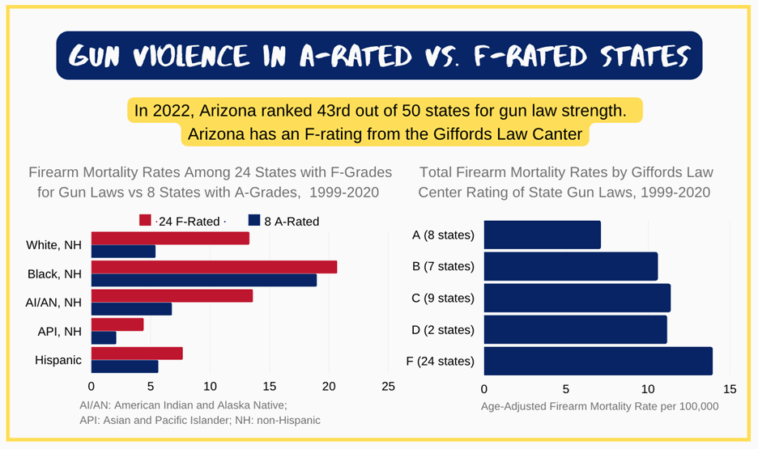
This has led to a scenario where multiple independent organizations, such as The Pew Foundation, Giffords Law Center, and Everytown USA, must piece together information from a variety of sources to present a complete picture of gun violence in America. The fragmented nature of this data collection results in twisted issues and nerve-racking uncertainties that can hinder the formulation of effective policy responses.
Without a cohesive approach to data collection, making informed legal decisions remains an intimidating challenge. It is only with access to comprehensive, reliable data that lawmakers can begin to figure a path towards sensible, effective reforms.
Reevaluating Gun Ownership Standards: Who Should Bear the Responsibility?
The argument that men are disproportionately involved in both perpetrating and suffering from gun violence has led some to propose more radical policy alternatives. Recent opinion pieces have even suggested that only women should be allowed to own guns, positing that women, by virtue of their lower rates of violent behavior, may handle firearms more responsibly.
This proposal, while controversial, opens up a number of questions. How acceptable is it to adopt a policy that bases legal rights on gender? Would such a measure stand up to constitutional scrutiny, and could it ultimately reduce the risk of firearm abuse?
Those in favor of gender-based restrictions argue the following:
- Reducing Risk: If the majority of gun-related incidents are driven by a statistically significant pattern involving men, then restricting access based on gender might lower the overall risk and save lives.
- Public Safety Priority: The safety of communities must come first. If evidence shows that certain demographics are more likely to misuse guns, it might be a super important step towards reducing gun deaths.
- Constitutional Tension: On the flip side, many argue that regulating access on the basis of gender is both discriminatory and legally problematic. The U.S. Constitution guarantees equal protection under the law, and any policy that singles out a particular group is loaded with tension and potential legal challenges.
Critics of gender-based restrictions contend that such policies are not only impractical but also contradict the core values enshrined in law. They argue that instead of focusing solely on gender, lawmakers should look into other critical factors such as mental health records, criminal history, and risk assessments. By targeting those factors rather than broad categories like gender, a more equitable and effective policy might be achieved.
The debate over who should bear the responsibility for safe gun ownership highlights the need to address not just the statistics, but also the underlying societal assumptions about gender, behavior, and risk.
Policy Reforms: What Can Be Done to Enhance Public Safety?
Looking into the heart of the matter, several policy proposals have emerged as potential avenues for reform. While some ideas might appear extreme at first glance, they serve to underline the urgency of seeking meaningful change. Below is a summary of several proposals that have garnered attention in recent discussions:
| Proposal | Key Points | Challenges |
|---|---|---|
| Stricter Background Checks |
|
|
| Enhanced Data Collection |
|
|
| Community Safety Initiatives |
|
|
| Conditional Ownership Criteria |
|
|
Each of these proposals comes with its own array of confusing bits and hidden complexities. For example, while stricter background checks might prevent dangerous individuals from acquiring firearms, they also raise concerns about privacy and the potential for bureaucratic delays.
Enhanced data collection promises a clearer picture of gun-related incidents, yet the political and legislative challenges in implementing such measures remain a major obstacle. Meanwhile, community safety initiatives can offer tailored local solutions but require significant investment and collaboration between government agencies and local organizations.
Balancing Public Health and Constitutional Rights
The debate over gun regulation is not solely about statistical data—it also centers on reconciling public health concerns with the constitutional rights that have long been cherished in this country. The Second Amendment and the right to free speech are fundamental pillars of American democracy. However, when gun violence escalates to epidemic proportions, these rights can come into stark conflict with the need to safeguard communities.
This section lays out several key considerations:
- Public Safety First: Many argue that if evidence supports the claim that guns are the number one cause of death among children and lead to countless preventable domestic tragedies, then public safety must take precedence. Finding your way through this conflict requires careful assessment of both immediate risks and long-term societal costs.
- Preserving Constitutional Freedoms: On the other hand, there is deep concern over any policy that appears to infringe on the freedoms guaranteed by the Constitution. With proposals ranging from enhanced background checks to conditional ownership criteria, the challenge is to design policies that protect lives without unduly restricting personal liberties.
- The Role of the Judiciary: Courts have historically been called upon to interpret the balance between regulation and rights. As legal battles continue to shape the contours of gun law, it is essential for judges and lawmakers alike to appreciate the little twists in the legal framework that influence these decisions.
Ultimately, any reform must strike an equilibrium—an arrangement where community safety is bolstered by effective laws while individual rights continue to be respected. Achieving this balance is no small feat and requires input from legal experts, public health officials, and community advocates.
Issues with Existing Gun Ownership Regulations
In examining the current state of gun ownership laws, several issues emerge that complicate efforts for reform. Whether it is the gaps in the background check system or the incomplete data on gun-related incidents, these challenges can be summarized into several key problematic areas:
- Fragmented Data Collection: A major obstacle in devising a comprehensive policy response is the dispersed and sometimes unreliable nature of data on firearm-related deaths and injuries. Without clear statistics, it becomes nerve-racking to design policies that truly address the risks.
- Legislative Roadblocks: Existing laws often leave too much room for interpretation, making it challenging for regulators to pin down specific measures that could be effective. This legal ambiguity results in policies that may not be as targeted or effective as intended.
- Political Polarization: The divisive nature of gun rights and regulation means that any proposed change is likely to meet with fierce resistance on one side of the aisle. This political gridlock often delays or dilutes policy reforms that could be super important for public safety.
- Constitutional Challenges: Calls for gender-specific restrictions, like those suggesting that only women should own guns, are met with vigorous opposition on constitutional grounds. Legal challenges to such proposals would undoubtedly be intense, as they clamor against the established doctrine of equal protection under the law.
Addressing these problematic issues requires a multifaceted approach—one that involves reforming data collection practices, clarifying legal language, and fostering a bipartisan dialogue on reforms that can be supported by a broad cross-section of the public.
Exploring a Gender-Based Approach: Prospects and Pitfalls
Recent suggestions that gun ownership should be limited to women have ignited intense debate. Proponents point to the fact that statistics overwhelmingly indicate that young men are a primary factor in gun violence, advocating that reducing their access to firearms might lower the overall death count.
However, such a gender-based approach is loaded with issues, both legal and practical. Here are some of the finer points that must be considered:
- Effectiveness: While restricting access for the demographic most associated with gun violence might lower certain statistics, it is not a cure-all. Many experts argue that such a measure would only offer a superficial fix without addressing broader cultural and socioeconomic factors behind violent behavior.
- Legal Concerns: Implementing a policy that restricts gun ownership by gender directly challenges the constitutional principle of equal rights. This approach is almost certain to garner legal challenges that would need to be addressed by the courts, potentially delaying any tangible benefits.
- Social Implications: A policy based on gender could further polarize an already tense debate. It might inadvertently stigmatize one group over another, complicating efforts to build broad-based support for gun safety reforms.
In light of these pitfalls, it may be more productive to focus on criteria that assess responsibility on a case-by-case basis, such as criminal history, mental health status, and other risk factors—rather than applying a blanket rule that targets one gender. This approach would aim to reduce the number of gun-related deaths without resorting to measures that undermine the principles of equality and fairness.
The Influence of Media and Public Perception
The way gun violence is portrayed in the media has a significant impact on how the public perceives the issue. Sensational headlines, repeated focus on extreme cases, and a failure to contextualize statistics can distort public perception and create an environment of fear and misunderstanding.
This skewed perspective has several effects:
- Increased Anxiety: Constant exposure to disturbing imagery and stories intensifies public anxiety. When the narrative centers solely on negative outcomes, it can lead to an overwhelming sense of urgency and a demand for radical policies.
- Policy Pressure: Politicians may feel compelled to adopt dramatic policy stances not based on a balanced review of the data but in response to intense public pressure fueled by media coverage.
- Distrust in Institutions: When the data appears manipulated or incomplete, there is a growing skepticism about the institutions responsible for public safety. This distrust can make it even more challenging to implement reforms that require widespread support.
The responsibility of both the media and policymakers is to present the full picture—with all its confusing bits and subtle details—to ensure that public debate is grounded in facts rather than fear.
Looking into the Needs of Vulnerable Communities
Any discussion of gun regulation must also consider how proposed reforms will affect the most vulnerable members of society. Children, domestic abuse victims, and communities with elevated levels of violence require tailored approaches that go beyond blanket policy measures.
Some key considerations include:
- Child Safety: Studies show that guns have become the leading cause of death among children, surpassing even traffic accidents. Policies that focus on keeping firearms out of homes and schools could help mitigate this tragic statistic.
- Domestic Violence: With every week seeing a significant number of women killed by gun-wielding domestic partners, there is an urgent call for improved intervention measures. This might involve stricter enforcement of existing laws and improved support systems for survivors.
- Urban Versus Rural Dynamics: The prevalence of gun violence often varies significantly between urban and rural settings. Tailoring policies to address these differences can help ensure that reforms are both effective and equitable across diverse communities.
Protecting those most at risk is a must-have aspect of any comprehensive gun control strategy. By focusing on the needs of vulnerable populations, policymakers can work to create an environment where safety is not a privilege but a right accessible to all citizens.
Pathways Toward a More Effective Legal Framework
A key part of moving forward is finding your way through the many legal and societal hurdles that currently impede progress. Here are several steps that could be taken to create a more effective and balanced legal framework around gun ownership:
- Unified Data Collection: Establishing a centralized system for collecting data on gun-related incidents would address many of the challenges caused by fragmented reporting. This enhanced system should incorporate inputs not only from the FBI but from state agencies, the CDC, and independent organizations.
- Policy Innovation: Instead of broad-brush measures that target entire demographics, legislation could focus on conditional ownership criteria. A system that includes regular reviews of background checks, mental health evaluations, and risk assessments might yield a safer system without infringing on constitutional rights.
- Public Education: Efforts to educate the public on the small distinctions between different types of gun usage—such as self-defense versus criminal misuse—can help shift the narrative from one of fear to one of informed debate.
- Bipartisan Initiatives: Encouraging dialogue between political parties on gun regulation is critical. Bridging the divide on this issue may be challenging, but a concerted bipartisan effort is essential for achieving reforms that can stand the test of time.
Each of these measures addresses a different aspect of the problem and, when combined, could contribute to a legal framework that simultaneously protects public safety and respects individual freedoms.
Case Studies and Comparative Analysis
There is much to be learned when we take a closer look at how other countries have addressed similar challenges. Several nations have implemented strict gun control policies while preserving, and in some cases even enhancing, public safety. A comparative analysis may offer useful insights and highlight measures that could be adapted to the American context.
Consider these examples:
- Australia: After a tragic mass shooting, Australia introduced sweeping gun reforms, including strict background checks, mandatory safe storage laws, and a buyback program. The country has since experienced a significant decrease in gun-related homicides and mass shootings.
- Japan: Japan’s approach to gun control is famously strict. With severe restrictions on gun ownership and rigorous enforcement of its policies, Japan maintains one of the lowest rates of gun violence in the world. These policies are supported by a broader cultural consensus on the value of public safety.
- United Kingdom: Following periods of intense gun violence, the UK reformed its policies with tighter restrictions and improved data collection practices. The result has been a dramatic drop in firearm-related incidents, demonstrating that even in democracies with a strong tradition of individual rights, strict gun control measures can lead to positive safety outcomes.
Examining these cases reveals that proactive, evidence-based reforms can yield tangible results. While the cultural and political contexts differ, the underlying lesson is clear: a legal framework built on comprehensive data, regular review, and targeted measures can reduce risks without completely infringing on constitutional rights.
Challenges in Implementing Legal Reforms
Despite the clear need for reform, several challenges persist that make the implementation of effective gun regulation policies a nerve-racking process:
- Constitutional Protections: Any attempt to significantly alter gun ownership regulations must contend with entrenched constitutional rights that are deeply embedded in American identity. Legal challenges are inevitable when reforms challenge long-standing interpretations of the Second Amendment.
- Political Gridlock: The issue of gun control is one of the most politically divisive topics in the United States. With deep partisan divides, forging consensus on even modest reforms is a complicated piece that requires patience, compromise, and sustained public pressure.
- Social Resistance: Many citizens view proposals to restrict gun ownership through a cultural lens that aligns with personal freedom and tradition. Changing these attitudes involves overcoming off-putting, long-held beliefs through education and transparent dialogue.
- Data and Research Limitations: As noted earlier, the limitations in comprehensive data collection add another layer of complexity to formulating policies that are truly effective. Without clear, consistent data, policy proposals risk being based on incomplete pictures of the issue.
Addressing these challenges requires a systematic approach that includes consistent data gathering, bipartisan collaboration, and public education designed to present the full picture in a manner that is both clear and balanced.
Looking into Future Directions for Gun Regulation
Ultimately, the discussion on gun regulation must evolve from emotionally charged rhetoric to a data-driven, rational debate. What might the future hold if we manage to implement reforms based on evidence and common sense?
Some potential future directions include:
- Innovative Ownership Models: Instead of a binary debate on whether to restrict or enable gun ownership, legal frameworks could incorporate conditional permission based on rigorous risk assessments and continuous monitoring.
- Enhanced Cooperation Between Agencies: By creating mechanisms for better data sharing among local, state, and federal agencies, governments can ensure that policy decisions are made on the most accurate and up-to-date information available.
- Community-Based Initiatives: Localized strategies that tailor gun safety programs to the specific needs of communities could prove more effective than a one-size-fits-all federal approach. These initiatives would involve partnerships between law enforcement, public health agencies, and community leaders.
- Balanced Legislative Reforms: Legislation that carefully considers both the need for public safety and the protection of individual freedoms stands the best chance of surviving legal challenges and achieving long-term success.
Each of these directions requires careful consideration of the little twists in legal policy and the subtle details influencing public safety. By focusing on targeted, evidence-based changes rather than broad, sweeping reforms, policymakers may be better able to address the risks associated with gun violence while upholding constitutional rights.
Conclusion: Finding Your Path Through a Tangled Debate
In conclusion, the fact-based approach to gun regulation demands that we take a closer look at a wealth of data, engage with the tricky parts of legal interpretation, and find a balanced path that respects both public safety and individual freedoms. By piecing together statistics—from the stark figures of homicide rates to the nuanced issues surrounding gender disparities and data collection challenges—we arrive at a picture that is both compelling and undeniably complex.
While there are proposals that suggest dramatic measures, such as gender-based restrictions on gun ownership, these ideas must be weighed against the constitutional guarantee of equal protection under the law. Rather than embracing extremities, a more effective strategy may lie in conditional ownership standards, comprehensive data collection, and community-based initiatives that take into account the specific needs of vulnerable populations.
The current state of affairs—with its overwhelming reliance on incomplete data, political gridlock, and social resistance—calls for innovative thinking and bold, but balanced, reforms. The challenge is to get around the tangled issues and figure a path that is both legally sound and socially responsible.
As we continue to grapple with gun violence and its profound impact on society, it is essential to engage in discussions that are open, informed, and driven by verified facts. Only through sincere and cooperative efforts can we hope to achieve a legal framework that protects our communities while also honoring the democratic principles upon which this nation was built.
In the end, ensuring public safety while respecting constitutional rights will always require a delicate move through nerve-racking legal debates and overwhelming challenges. Yet, if legislative bodies, law enforcement agencies, community advocates, and legal experts can work together, there remains hope for a future where gun violence is significantly reduced and the rights of all citizens are upheld.
This fact-based, neutral perspective on gun regulation is not an endorsement of any single proposal but rather an invitation to step back, look into the full spectrum of data, and consider all the subtle details before making decisions that will shape our society for generations to come.
As citizens, policymakers, and legal professionals, we must commit ourselves to sorting out the tangled issues through clear-headed analysis, open dialogue, and a willingness to reconsider long-held assumptions. Only then can we hope to navigate the tricky parts of this debate and build a safer, more equitable society.
Originally Post From https://tucson.com/opinion/column/article_9eb13a8c-fdeb-4994-8a56-61d004c9e96b.html
Read more about this topic at
Gun Safety Policies Save Lives
Local opinion: A fact-based approach to gun regulation