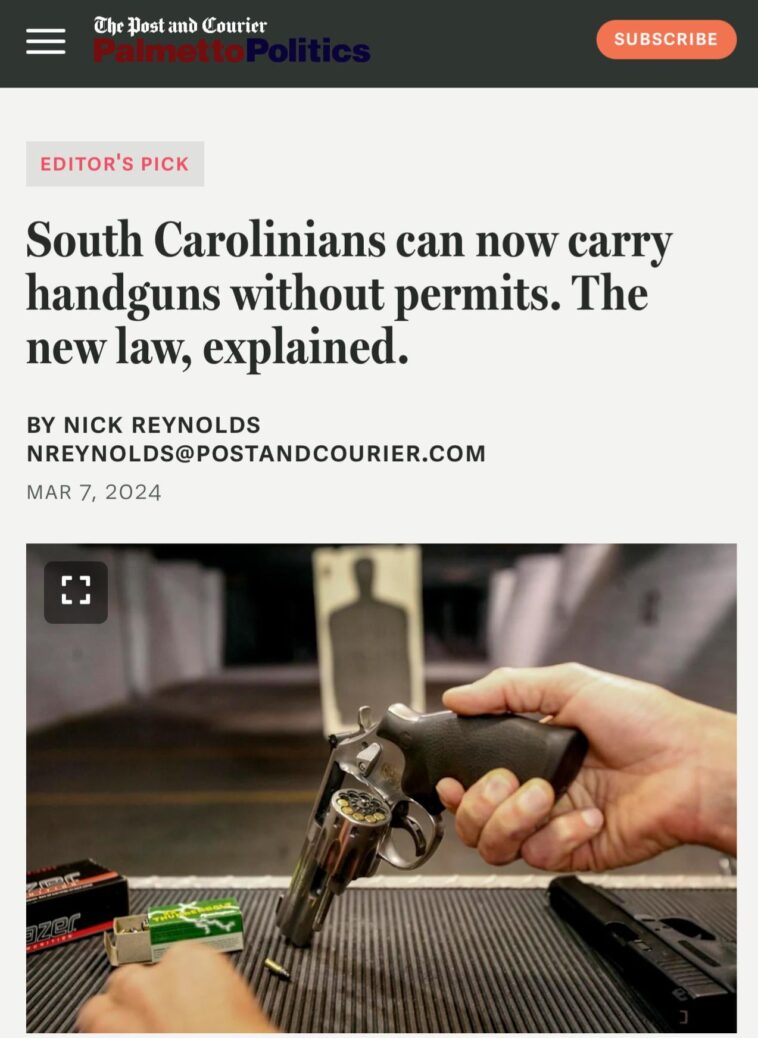
Understanding the Legal Landscape for Temporary Firearm Relocation in South Carolina
In times of crisis, especially when mental health and alcohol-related issues come into play, making decisions that prioritize safety can be a nerve-racking process. Recently, a situation arose in South Carolina where an individual chose to temporarily relocate a firearm to a friend’s house—10 miles away—in order to manage a complicated, emotionally charged scenario. This article examines the legal implications of such a move under South Carolina law, while also offering practical advice on managing the tangled issues that can arise during difficult times.
Often, the decision to move a firearm under these circumstances is taken in good faith, intending to prevent potential harm. State laws, including those in South Carolina, typically do not penalize the temporary relocation of a firearm when it is done responsibly and without the intent to transfer ownership permanently. Instead, the emphasis is on ensuring that the firearm is stored securely and remains accessible only to those who are legally entitled to have it. In this discussion, we will take a closer look at the key aspects of the legal framework, the safety-first mindset that underpins such decisions, and the steps required to document the process to avoid any ambiguous misunderstandings.
Deciphering South Carolina Gun Laws: What You Need to Know
South Carolina’s approach to firearm regulation is relatively straightforward compared to some other states. Since the state does not enforce firearm registration with the same strict protocols seen elsewhere, the legal concerns tend to focus on the circumstances under which a firearm is moved and who ultimately has possession. Let’s dive in and explore the legal points that one must consider:
- Temporary Possession: The key issue is that ownership remains unchanged. Even if a firearm is relocated to a friend’s residence, the original owner’s name stays on record, provided that the move is short-term and not an outright transfer.
- Good Faith Action: Acting in good faith—especially during a mental health or alcohol-related crisis—is generally looked upon favorably. The law recognizes that emergency measures, done with the intention of ensuring safety, are different from deceptive or illegal maneuvers.
- Legal Possession: It is critical to ensure that the friend in possession is legally allowed to have a firearm. If they have any disqualifications, such as a criminal record that prevents firearm possession, legal issues might arise.
These factors, when combined, paint a picture of a legal landscape that prioritizes safety and responsible handling over strict adherence to the letter of registration rules. As long as one steers clear of transferring ownership or putting the firearm into the hands of someone prohibited by law, the move should not pose legal problems.
Temporary Firearm Relocation: A Safety-First Perspective
The primary motivation for temporarily moving a firearm during a crisis is usually the desire to avoid potential harm. Deciding to move the firearm to a safe location—such as a friend’s house—ensures that it is kept away from those who may be at risk. In the scenario described, the anchoring factors behind the decision included:
- A mental health crisis that threatened well-being
- An environment complicated by alcohol-related issues
- A commitment to keeping the firearm accessible only to responsible, legally qualified individuals
In situations loaded with tension and filled with confusing bits of interpersonal strife, taking appropriate precautions becomes an essential part of crisis management. By prioritizing safety, the individual managed to address the scary challenge of balancing legal responsibilities with immediate family welfare. However, the decision is not free from tangled issues; it requires a clear understanding of both legal and practical implications to ensure that no small twist in procedure results in broader, long-lasting problems.
Documenting the Transfer: Why It’s Essential for Clarity and Safety
One of the key pieces of advice for anyone considering this kind of temporary relocation is to maintain clear and thorough documentation. Legal issues can quickly multiply if there is any misunderstanding about the nature of the move, the intended duration, or the roles of the individuals involved. Here are some steps that can help avoid future disputes:
- Keep a Written Record: Draft a brief statement or send an email that confirms the firearm is being moved temporarily for safety reasons. This record should note the reason for the relocation, the names of the parties involved, and the expected duration of the temporary arrangement.
- Establish Clear Communication: Ensure that both parties—yourself and the friend in possession—agree on the terms of the temporary transfer. This helps in avoiding any misinterpretations down the line.
- Secure Storage Protocols: Document how the firearm is being stored safely, including any safeguard measures like locked storage or secure facilities.
Keeping thorough records doesn’t only serve an administrative purpose; it can also act as a protective legal document. This step is especially important when dealing with a situation that might be on edge due to its emotional context. It shows that the transfer was not meant to be permanent, and confirms that all parties involved were aware of the details and legal limitations of the move.
Ensuring Legal Possession: How to Confirm Eligibility for Firearm Transfer
A critical aspect when temporarily transferring a firearm is ensuring that the recipient is legally eligible to have the firearm. If the friend in question is not permitted to have a gun by law, this could introduce additional legal complications. Some key eligibility checks include:
- Background Verification: Confirm that your friend has a clean legal record concerning firearm possession. Although South Carolina does not require a strict registration process, it is still essential to ensure that they are not barred for any reason.
- Understanding Local Regulations: While state laws offer a broad framework, local ordinances or specific circumstances might have additional rules that need to be observed. It’s wise to be aware of any county or municipal regulations that could have an impact.
- Open Dialogue: Educate your friend about the importance of understanding the legal limits for temporary storage. Clear communication avoids misunderstandings and reinforces that the firearm remains under your ultimate control.
By taking these measures, you are building a robust legal shield that minimizes the risk of inadvertently breaking laws. This process demonstrates the importance of being proactive in managing your way through the legal framework while also paying attention to the little details that could create future misunderstandings.
Balancing Family Safety and Legal Compliance
The decision to temporarily relocate a firearm during a personal crisis, particularly when mental health and alcohol-related issues are involved, is often born out of a deep-seated need to safeguard everyone involved. Legally, as long as the transfer is handled cleanly—with no change in ownership and proper documentation—it tends to be viewed as an essential safety measure rather than an illegal act. Let’s look at how one can balance these two sometimes competing priorities:
- Prioritizing Immediate Safety: When the situation is tense and full of problems, ensuring that the firearm is not easily accessible can be the first step in preventing harm. By removing it from an environment where impulsive behavior might occur, you manage a high-risk situation effectively.
- Maintaining Legal Integrity: Even in a crisis, it is critical to ensure that the law is followed. Documenting the process, securing legal eligibility for the temporary holder, and keeping communication lines open all serve to protect against any potential future liabilities.
- Considering Long-Term Impact: Temporary measures should have clear end points. If the move is reversed later on, it must be done with the same attention to detail and legal implications as the original transfer.
This balanced approach highlights that the process is not as daunting as it might first seem. By thinking ahead and paying attention to the fine points of the existing legal framework, one can successfully steer through what might otherwise be a nerve-racking situation.
Creating a Step-by-Step Blueprint for Temporary Firearm Relocation
In order to manage such a temporary relocation effectively, it can be helpful to devise a clear plan outlining every step. Below is a table that outlines the process, from the initial decision to the eventual return of the firearm:
| Stage | Action | Critical Details |
|---|---|---|
| Initial Decision | Identify the need for temporary relocation due to safety concerns. | Document reasons such as mental health or alcohol-related risks. |
| Selection of Safe Custody | Choose a trusted friend or relative to take temporary possession. | Verify their legal eligibility to possess a firearm. |
| Documentation | Draft a written statement or agreement outlining the temporary nature of the move. | Include terms, duration, and storage safeguards. |
| Secure Storage | Ensure the firearm is stored in a secure, locked environment. | Confirm adherence to safety protocols and local laws. |
| Monitoring and Communication | Maintain open lines of dialogue with the custodian. | Address any emerging concerns promptly and update documentation if needed. |
| Return Process | Plan for the eventual return of the firearm once the crisis subsides. | Reassess the safety situation and ensure that the original owner remains eligible to have the gun. |
Following a step-by-step guide not only helps in managing your way through the legal maze but also reduces the risk of unexpected twists and turns that might arise from ambiguous arrangements.
Addressing the Tense Concerns of Temporary Firearm Relocation
For many individuals, safety measures that affect critical personal security issues can feel both intimidating and overwhelming. The decision to temporarily relocate a firearm can be seen as an off-putting reflection of one’s vulnerability in the midst of a personal crisis. However, a closer look at the legal aspects shows that when handled correctly, such actions do not introduce additional legal complications. Instead, they offer a practical solution to a delicate situation.
The situation becomes even more complicated when the crisis involves intertwined issues such as mental health and alcohol consumption. In these cases, each small distinction—like the difference between temporary storage and permanent transfer—can have a significant impact on the outcome. Being aware of these fine shades of legal interpretation can make a world of difference when it comes to ensuring that actions taken for safety do not inadvertently cross legal boundaries.
Mitigating Legal Risks Through Proactive Measures
Taking proactive measures is key to successfully managing a temporary firearm relocation without incurring legal repercussions. Here are some practical tips for mitigating risks:
- Consult a Legal Expert: Before making any decisions, it may be helpful to get in touch with a lawyer who has expertise in firearm or criminal law. This super important step ensures that you are fully aware of both state and local regulations.
- Maintain Detailed Records: As mentioned earlier, documentation is your best friend in these situations. A simple written confirmation of the temporary move can serve as a protective barrier in case questions about the process arise later on.
- Ensure Secure Storage: Both at the point of departure and during custody, the firearm must be stored securely. This step not only minimizes risk but also reinforces the act’s safety-first nature.
- Stay Informed: Laws and regulations can change. Keeping up-to-date with the latest statutes and legal interpretations related to firearm possession and transfer in South Carolina is a proactive way to avoid getting caught in any unexpected legal quicksand.
By adopting a cautious yet determined strategy—grounded in both factual legal frameworks and the practical demands of a crisis—the temporary relocation of a firearm need not result in more mean tangled issues. Instead, it can serve as a measured response to a challenging, tension-filled situation, where every little twist matters in terms of preserving safety and legality.
Managing Your Way Through a Difficult Situation: Practical Considerations
When facing a scenario that is both nerve-racking and full of problems, it is essential to manage your way through with a mix of clear-headed decision-making and an understanding of the small details that might otherwise be overlooked. The crisis in question often forces individuals to make split-second decisions that are both legal and safe. Here are some practical considerations to keep in mind:
- Prioritize Safety Over Ambiguity: In a situation where emotions run high, it is of key importance to ensure that every action taken is recorded and communicated clearly. This prevents any confusion about the temporary nature of the move.
- Stay Compliant with Local Laws: Even if state laws regarding firearm relocation are less stringent, local ordinances can occasionally introduce tricky parts that need careful attention.
- Monitor the Situation Closely: Mental health and alcohol-related crises can be unpredictable. Regular check-ins with the custodian can help ensure that circumstances remain safe and that the storage conditions continue to meet legal requirements.
- Plan for Reversal: As soon as the crisis begins to subside, establish a clear exit strategy for returning the firearm safely back to its original location. This plan should include a review of both legal compliance and personal safety measures.
Taking these steps not only minimizes potential legal entanglements but also provides a clear roadmap for navigating a tense situation. When every twist and turn is accounted for, the overall process becomes much more manageable, even when it might feel off-putting at the onset.
Weighing the Options: When Temporary Measures Become Critical
For many individuals confronting a personal crisis, especially one that is bundled with emotional stress and confusion, the decision to temporarily relocate a firearm might seem as though it is loaded with problems. Nonetheless, when the situation is evaluated with a clear focus on both safety and legal standing, it is often revealed that careful, temporary measures are the appropriate course of action.
Some of the benefits of a well-documented temporary relocation include:
- Prevention of Accidental Harm: In times when emotions and substance use cloud judgment, securing a firearm away from potential access helps prevent accidents.
- Clear Legal Records: A documented, temporary move sets the stage for clarity in case any legal questions arise later. It is a tangible demonstration that the relocation was conducted in a responsible, well-intended manner.
- Peace of Mind: Knowing that the firearm is in safe hands can help reduce the immediate stress during a crisis, allowing for better-managed outcomes both for the individual and those around them.
The legal focus typically remains on whether all involved parties are following the rules and maintaining the firearm under conditions that satisfy the law. Temporary relocation, when paired with robust documentation and clear communication, is not considered a violation but rather a proactive safety measure.
Key Takeaways for Handling Temporary Firearm Transfers During a Crisis
Let’s take a closer look at some key takeaways that can help individuals make well-informed decisions when faced with the daunting reality of a crisis:
- Good Faith Action Matters: If the decision to move a firearm is made with the clear intention of preventing harm in a moment of crisis, the law typically views it as a justified measure.
- Documentation is Invaluable: An accurate written record that outlines the terms of temporary custody can protect all parties involved and provide clarity for any legal scrutiny in the future.
- Legal Check on the Custodian: Ensuring that the temporary recipient has the legal authority to keep a firearm is not just a bureaucratic hoop—it is essential to avoid future legal complications.
- Communication is Key: Keeping open lines of dialogue between the involved parties helps to ensure that there is no ambiguity about the temporary nature of the relocation.
- Plan for the Future: Always have a clear plan for the return of the firearm. Once the crisis subsides and conditions improve, the safe reintegration of the firearm back into its original custody can occur without complications.
These takeaways serve as a roadmap for anyone who might find themselves wondering about the legal issues related to temporarily moving a firearm. They emphasize that while the situation is full of complicated pieces and tricky parts, there are clear, manageable steps that can be taken to avoid further complications.
Final Reflections: Finding Your Way Through a Tense Legal and Emotional Landscape
Ultimately, the act of temporarily relocating a firearm in South Carolina during a mental health or alcohol-related crisis—while on edge with emotion and legal considerations—should be viewed as a calculated safety measure. The process, when managed with careful, documented steps and through open communication, does not raise legal issues so long as it adheres to the fundamental rule: the firearm remains under controlled, secure conditions with legally eligible individuals involved.
By focusing on the key details—such as ensuring that no permanent transfer of ownership takes place, verifying that the custodian is lawfully allowed to possess the firearm, and documenting every step—you are better equipped to handle what might initially seem like a nerve-racking decision. In this way, even an action fraught with twists and turns and loaded with potential issues can be managed in a manner that is both safe and legally compliant.
For anyone facing similar challenges, this example serves as a reminder of the importance of proactive communication, meticulous documentation, and continual legal awareness. When these elements come together, they form a robust framework not only for handling a crisis but also for managing your way through the nerve-racking legal and personal implications associated with temporary actions during difficult times.
Looking Ahead: Maintaining Safety and Legal Integrity in Future Crises
As with many issues that sit at the crossroads of personal safety and legal responsibility, there are numerous subtle details to consider when planning for temporary firearm relocation. One must take into account not only the immediate dangers but also the long-term implications of every decision made during a period of crisis. Looking ahead, individuals are encouraged to:
- Review Their Options Regularly: Continuously stay informed about state and local laws related to firearm possession. This allows you to keep ahead of any regulatory changes that could affect your decisions in the future.
- Engage with Legal Experts: If you ever find yourself in a situation where the legal requirements are confusing or the emotional stakes are high, consulting a lawyer with experience in firearm law can provide clear guidance to help manage the situation effectively.
- Prioritize Preventive Measures: The temporary relocation of a firearm should always be considered a protective step rather than a reactionary move. Developing a proactive safety plan can help deter dangerous situations before they become overwhelming.
- Create Family Safety Protocols: In households where crises might arise, setting up guidelines and clear roles regarding firearm safety can ensure that every member of the family is on the same page when it comes to protecting against accidental harm.
By making these safety considerations an integral part of your planning process, you not only protect your immediate well-being but also build a foundation of legal resilience and personal accountability for future challenges.
Conclusion: A Measured Response to a Challenging Situation
Temporary firearm relocation during a crisis is a decision that touches on both the emotional and legal realms. When handled properly, it is a responsible measure designed to mitigate risks during periods of emotional turbulence. Through detailed documentation, clear communication, and strict adherence to legal requirements, such a transfer can be both a practical step and a legally sound strategy.
This discussion has explored the twisted yet manageable landscape of South Carolina’s legal treatment of temporary firearm transfers. It is evident that, provided the transfer is made in good faith and with all necessary precautions, there are no inherent legal issues in doing so. Instead, such measures are recognized as essential steps taken in the interest of personal and public safety.
In a world where circumstances can rapidly become overwhelming and each small twist in the situation matters greatly, being informed about your legal standing and taking proactive, well-documented actions can make all the difference. Whether you are facing personal challenges or are simply planning for the unlikely event of a crisis, the key is to remain considerate of both safety and legal responsibility.
Ultimately, the balance between protecting loved ones and adhering to the law is a delicate one—a nuanced dance that is both challenging and essential. By thoughtfully considering each component of the process and ensuring that every step is backed by both legal awareness and clear communication, you can confidently steer through even the most tense of situations.
This article serves as a reminder that in times of crisis, when every decision carries significant implications, a measured, responsible approach is not only practical but absolutely necessary. By taking a proactive stance, making use of clear documentation, and maintaining open channels of communication, the temporary relocation of a firearm can be executed safely and in line with legal expectations, ensuring that the welfare of all parties remains at the forefront.
Originally Post From https://answers.justia.com/question/2025/10/24/are-there-legal-issues-with-temporarily-1089411
Read more about this topic at
Tour de Tejas Set to Help Veterans in Need