Rising Gun Violence and Its Impact on Pregnant Women
Recent research has revealed that pregnant women in the United States face a significantly higher risk of gun violence compared to their non-pregnant counterparts. As we examine the data and listen to the voices of concerned citizens and experts alike, it becomes clear that this issue is not only critical but also layered with tricky parts and tangled issues that demand our attention. In this opinion editorial, we explore the surrounding context, look into the dangerous twists and turns of firearm-related deaths during pregnancy, and consider what changes may help turn the tide.
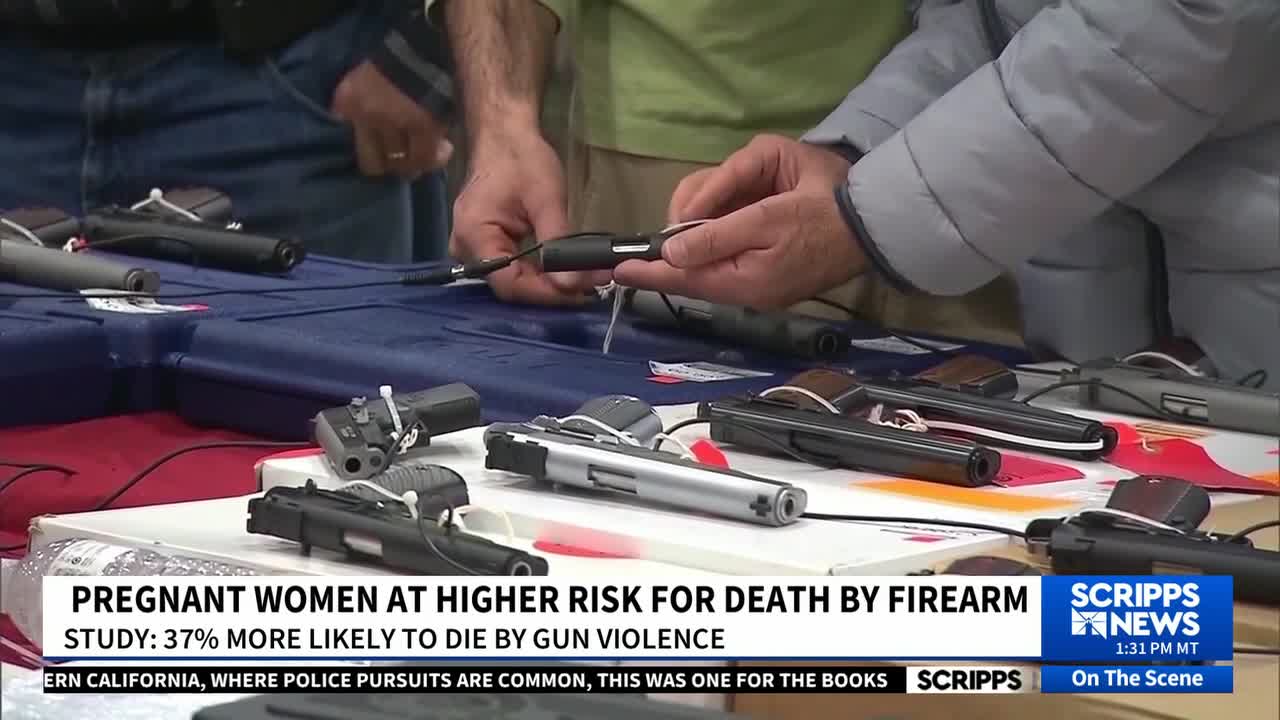
Many of us are shocked to learn that pregnant women have a 37% greater risk of being killed by a firearm than non-pregnant women. This chilling statistic underscores not only the prevalence of gun violence in our society but also the vulnerability of expectant mothers—who often already face overwhelming physical and emotional changes—as they navigate a volatile environment.
Understanding the Risk Factors: Tricky Parts and Tangled Issues
At the heart of this discussion lies the need to understand the risk factors associated with firearm homicides during pregnancy. Researchers have sifted through over 7,000 homicide cases of women aged 15 to 49, revealing that guns play a role in more than two-thirds of pregnancy-related murders. These findings bring into sharp focus the tricky parts and tangled issues that surround gun violence: availability of firearms, intimate partner violence, and broader societal inequities that intensify the danger for women.
To put this into perspective, consider the following bullet list summarizing key risk factors:
- High availability and proliferation of firearms in many states
- Increased likelihood of domestic disputes escalating to lethal encounters
- Socioeconomic and racial factors that render certain communities more at risk
- Gaps in current legislation that allow dangerous individuals to retain access to guns
- Lack of comprehensive programs supporting pregnant women facing violence
Each of these factors contributes to the overall picture of vulnerability among pregnant women, with small shifts in gun ownership correlating with significant escalations in firearm-specific homicides.
The Role of Firearms in Pregnancy-Related Homicides
Diving into the role of firearms, it becomes evident that guns are not just a bystander in these violent incidents—they are often the instrument of harm. Over two-thirds of pregnancy-related killings involve a firearm, indicating that the presence of guns in modern society is a key issue that demands our attention.
It is important to note that firearms bring with them not only the immediate threat of death but also a proliferation of complicated pieces in legal, social, and emotional contexts. From the moment a gun is drawn, the situation can escalate into something that is both overwhelming and nerve-racking, especially for those already facing the challenges of impending motherhood.
The connection between gun availability and the rate of firearm homicides is supported by data showing that even a 1% rise in gun ownership can result in a 6% increase in overall homicides and an 8% jump in firearm-specific homicides among pregnant women. This relationship tells us that every seemingly small policy gap or change in gun laws can have a direct and sometimes devastating impact on lives.
The Impact of State-Level Gun Ownership on Fatalities: Small Increases, Big Effects
One of the most eye-opening findings in recent studies is the role that state-level gun ownership plays in affecting the safety of pregnant women. When states see even a tiny 1% increase in gun possession, they simultaneously experience an 8% increase in firearm-specific homicides among pregnant women. This correlation is a stark reminder that policy decisions affecting gun ownership are not made in isolation and that even minor regulatory adjustments can have far-reaching consequences.
A table below breaks down the observed effects of rising gun ownership:
| Metric | Percentage Increase | Impact on Pregnant Women |
|---|---|---|
| Overall Homicide Rate | 6% | Increased risk of deadly encounters |
| Firearm-Specific Homicide Rate | 8% | Heightened vulnerability during pregnancy |
These figures demonstrate that even minor increases in firearm availability are closely tied to lives lost. The statistics make one thing clear: without serious policy changes that address this increase, fewer lives will be saved.
Addressing Policy Gaps: Making Your Way Through the Maze of Legislation
Working through the maze of current gun laws reveals numerous gaps that allow dangerous situations to persist. One critical issue involves the policies surrounding firearm surrender for individuals under final protective orders. While many states prevent individuals from purchasing new guns once they are subject to such orders, most do not require these individuals to turn in the guns they already own. As a result, those who present an imminent threat at home retain the means to cause tragedy.
Experts have suggested that stronger firearm surrender laws could potentially reduce the number of intimate partner and domestic violence homicides. Programs that ensure not only the initiation but robust follow-up of firearm surrender protocols serve as a promising example. For instance, King County in Washington has implemented an integrated program where the courts, prosecutors, and law enforcement collaborate to recover guns involved in domestic violence cases. Such approaches represent promising ways to get around the current tangled issues in legislation.
Here are several key strategies proposed by experts to address policy gaps:
- Implement mandatory firearm surrender for individuals receiving protective orders.
- Establish stronger inter-agency cooperation between law enforcement, the judiciary, and social services.
- Review and update background check laws to encompass more comprehensive criteria.
- Promote community-based programs that educate about the dangers of firearms in volatile home environments.
- Encourage more nuanced research into how state-level laws directly affect vulnerable populations.
Societal Implications: When Broader Systems Are Full of Problems
The issue of firearm homicides among pregnant women is not just a matter of isolated incidents; it is deeply interwoven with broader societal systems. The data show that young pregnant women, particularly those aged 20 to 24, are most at risk, and the majority of victims are Black women. These findings suggest that the risks associated with pregnancy and gun violence are influenced by a range of social factors—ranging from economic disparities to long-embedded systemic racism.
When society is full of problems, the small distinctions between individual cases and systemic issues start to blur. Many of the disturbing statistics reported are linked to broader issues of societal inequity. The cumulative effect is that pregnant women, particularly those from marginalized communities, face a double burden: not only are they more vulnerable to gun violence, but they also encounter larger, confounding challenges that come from systemic bias and lack of resources.
To help clarify this point, consider the following points:
- Marginalized communities often experience limited access to healthcare and protective services.
- Economic stress can exacerbate tensions within households, contributing to an environment where violence is more likely.
- Structural racism and inequity can hinder effective enforcement of laws designed to protect vulnerable groups.
- The intersection of intimate partner violence and gun accessibility creates a deadly formula for loss.
Addressing these issues calls for both policy reform and broader societal change, ensuring that the safety of pregnant women does not become another casualty in systems already riddled with tension.
Strategies for Prevention: Building a Safer Environment for Mothers
Many community leaders and policy experts agree that reducing gun violence among pregnant women requires a dual approach: legislative action coupled with community support. Protecting those whose lives are already complicated by physical and emotional challenges must be a priority. For starters, establishing community-based educational campaigns that explain the dangers of unchecked firearm possession is essential.
To create a safer environment for expecting mothers, a number of measures can be taken, including:
- Enhanced Background Checks: Comprehensive background checks that consider past instances of violence or abuse can help prevent dangerous individuals from accessing firearms.
- Mandatory Firearm Surrender: Robust policies which ensure that individuals under restraining orders are compelled to relinquish their guns, reducing the risk of domestic violence escalation.
- Community Outreach Programs: Initiatives designed to raise awareness about the risks of gun violence in domestic settings, especially when pregnant women are involved.
- Support Services: More accessible resources, such as hotlines, counseling, and transitional housing, can offer help to those in dangerous situations.
- Data-Driven Policymaking: Ongoing research and analysis can ensure that lawmakers remain informed about emerging trends and effective measures to safeguard lives.
Each of these strategies plays a super important role in reducing the overall risk. Not only do they help manage the confusing bits of individual incidents, but they also contribute to a broader societal effort to build a safer environment for everyone, particularly for pregnant women caught in the crosshairs of gun violence.
Personal Stories and Their Implications for Change
Statistics and policy debates are critical, but behind every number is a human story. One such tragic case involves Shirley Scarborough, who lost her 31-year-old daughter, Francesca Harris-Scarborough, at just three months pregnant when she was fatally shot in 2020. This loss highlights the nerve-racking twist where a private tragedy becomes a public call for change. For Shirley, the hardship of losing a child has sparked the creation of a nonprofit dedicated to supporting women dealing with domestic violence—a move that serves as a beacon of hope amidst overwhelming grief.
Personal stories like these remind us that the issues we face are not abstract. The human cost is immense, and these stories have the power to galvanize policymakers and the public alike. They underscore that every bit of legislative reform, every community outreach program, and every new support service has the potential to save lives.
In sharing personal narratives, we also acknowledge that:
- The effects of gun violence extend far beyond immediate fatalities, impacting families and entire communities.
- A single act of violence creates a ripple effect, affecting children, partners, and society as a whole.
- Grassroots activism and nonprofit initiatives can offer compassionate, tangible support to those in need.
- Change often starts with one person’s resolve to turn personal tragedy into collective hope.
Taking a closer look at these stories not only humanizes the data but also serves as a moral invitation for institutional reform, highlighting the need for policies that are as caring as they are enforceable.
Barriers to Effective Change: The Nitty-Gritty of Legal and Social Challenges
As with many issues in our society today, there are several subtle parts and hidden complexities that make reducing firearm violence a challenging mission. Some of these include the deeply rooted cultural significance of firearms, conflicting political agendas, and the fear among many that stricter gun control measures could impinge on individual rights. These factors create a labyrinth of challenges that require thoughtful solutions rather than knee-jerk reactions.
Some of the most common barriers to effective change include:
- Cultural Attachment: In certain communities, firearms are seen as a symbol of independence and self-defense—a sentiment that makes legislative change both intimidating and politically delicate.
- Political Polarization: Debates over gun control are often polarized, making it difficult to build consensus around measures that protect vulnerable populations like pregnant women.
- Economic Considerations: The gun industry and related businesses contribute substantially to local economies, adding another layer of complication when proposing regulatory changes.
- Legal Complexities: Existing laws are full of confusing bits and subtle details that can make implementing new policies cumbersome and slow-moving.
Despite these challenges, experts argue that the safety of pregnant women and the overall well-being of the community should take precedence over entrenched interests. If we are to steer through these barriers effectively, it will require not only data-driven policymaking but also a cultural shift—one that aligns the concept of personal freedom with the security and preservation of human life.
Community Outreach and Education: Key Components for Change
Creating change is not solely the realm of lawmakers and policymakers: community outreach and education form an essential backbone for transforming attitudes and preventing tragedy. Educational initiatives that explain the implications of gun violence and promote safe practices can help people figure a path towards a safer future. When communities stand together and raise their voices, they encourage a societal recognition that every life is precious.
Effective outreach programs often include:
- Workshops and Seminars: Providing platforms where experts discuss the importance of gun safety and legal rights, offering practical guidance to those who may be at risk.
- Support Groups: Establishing networks for survivors of domestic violence and gun-related tragedies, where shared experiences foster mutual healing and empowerment.
- Public Awareness Campaigns: Utilizing social media and local media outlets to disseminate clear, data-backed messages about the risks of unchecked gun ownership, especially as it pertains to the safety of pregnant women.
- School Programs: Integrating curricula that teach the fine points of civic responsibility, conflict resolution, and the importance of community safety from an early age.
By investing in these types of initiatives, communities can cultivate an environment where the safety of pregnant women is considered a key priority—the kind of mindset that naturally pushes for legislative reform and the reduction of gun violence.
Legal Reforms: Charting a Course for Safer Legislation
Any sustained effort aimed at reducing firearm-related homicides must include solid legal reforms. This is where working through the tangled legal pieces matters most. Lawmakers must craft policies that are both clear and enforceable, ensuring that existing laws do not leave dangerous loopholes that allow individuals with histories of violence to retain access to firearms.
Some of the proposed legal reforms include:
- Uniform Firearm Surrender Laws: Ensuring that protective orders come with a mandatory requirement for surrendering existing firearms, not simply a ban on future purchases.
- Comprehensive Background Checks: Expanding the parameters of background checks to capture a broader range of risk indicators, particularly those relevant to domestic violence and gun-related misdemeanors.
- Enhanced Penalties for Non-Compliance: Establishing stiffer consequences for failing to comply with firearm surrender or other related orders, thereby sending a strong message that the law will protect the vulnerable.
- Regular Policy Reviews: Introducing data-driven assessments that facilitate periodic reviews of gun control measures, ensuring that legislation stays current with changing societal and technological landscapes.
These reforms are super important not only to reduce the immediate risk of gun violence among pregnant women but also to foster a broader culture of accountability and respect for life. By taking a closer look at these policies and adapting them to modern realities, we stand a better chance of creating a system that genuinely protects those in harm’s way.
Empowering Women: How Policy Change Can Bolster Support Services
In parallel with legal reforms, there is a critical need to bolster support services that empower women facing the dual challenge of domestic violence and the threat of gun violence. When the system provides not only legal protection but also social and emotional support, it builds a framework that helps women get around some of the overwhelming difficulties they face.
Key initiatives to strengthen support services include:
- Safe Housing Programs: Establishing shelters and transitional housing for women escaping violent environments.
- Counseling and Trauma Recovery: Offering free or low-cost mental health services to help survivors recover from the impacts of gun violence and domestic abuse.
- Legal Assistance: Providing dedicated legal aid to help women navigate restraining orders, custody battles, and challenges related to firearm surrender laws.
- Community Advocacy Groups: Supporting local organizations that lobby for improved policies and serve as a voice for those directly affected by gun violence.
In many instances, empowering women through these support measures has a transformative impact, not only reducing the immediate risks but also contributing to the overall well-being and future prospects of entire communities.
Lessons Learned: Reflecting on Past Tragedies to Inform Future Action
Every tragic incident of gun violence presents us with an opportunity to learn, adapt, and create lasting change. The case of Francesca Harris-Scarborough, as recounted by her grieving mother, is a stark reminder that the loss of a life—especially that of an expectant mother—sends ripples of sorrow and calls for urgent reform. These personal accounts, though painfully sorrowful, are like guideposts indicating the direction that needed change.
By taking a closer look at the lessons learned from these losses, several key observations can be made:
- Reform is not simply about numbers—it is about saving real people with real families.
- Effective policy must address the hidden complexities and confusing bits of current gun regulations.
- Community support and legal reforms are not mutually exclusive; they must work hand in hand to create a safer society.
- It is critical to ensure that future policies reflect the hard-earned wisdom of those who have faced tragic loss.
In reflecting on past tragedies, it becomes evident that for real and lasting change to take root, the conversation around gun violence and pregnancy must be both inclusive and nuanced. It is a call for policymakers, community activists, and concerned citizens to come together with the shared goal of transforming a system loaded with issues into one that prioritizes safety, care, and justice.
Moving Forward: Building a Future Free from Firearm-Related Tragedies
Looking ahead, the path to a safer future for pregnant women—and indeed for society as a whole—rests on our ability to make informed, compassionate decisions. By steering through the nerve-racking twists and turns of existing policies and challenging the status quo, we can gradually build a framework that diminishes the likelihood of gun violence.
This journey involves:
- Continued Research: Ongoing studies are essential to keep track of trends and measure the effectiveness of new policies.
- Robust Public Debate: Engaging in open, respectful discourse about the role of firearms in modern society can help bridge political divides.
- Incremental Policy Changes: While sweeping reforms are ideal, even incremental adjustments—when applied consistently—can yield super important results over time.
- Community Involvement: Grassroots organizations, advocacy groups, and affected families play a key role in voicing their experiences and shaping policy directions.
Every small victory in reducing gun violence is a step toward a society where pregnant women can feel safe and supported. It is our responsibility as a community to ensure that the law reflects our collective commitment to protecting life and fostering an environment where everyone—especially those most vulnerable—can thrive.
A Call to Action for Policymakers and Community Leaders
In conclusion, the rising threat of gun violence against pregnant women is a complex issue intertwined with legal gaps, societal challenges, and long-standing cultural traditions. It is essential for policymakers to figure a path that balances the rights of individuals with the protection of those most at risk. Equally crucial is the need for community leaders to take an active role in educating, supporting, and empowering women in vulnerable environments.
As we have seen, even small increases in gun ownership can have a disproportionate effect on firearm-related homicides among pregnant women. This reality makes it clear that every person involved—from legislators to community advocates—must work together using a multifaceted approach:
- Review Current Laws: Ensure that existing restrictions are enforced and that purchase loopholes are closed.
- Invest in Support Services: Expand programs for domestic violence survivors and provide essential resources for at-risk families.
- Promote Safe Practices: Encourage responsible firearm ownership and educate communities about the risks inherent in leaving guns accessible in volatile situations.
- Foster Inclusive Dialogue: Bring together diverse voices to create balanced, realistic policies that address the real experiences of pregnant women and their families.
This call to action is super important because every step taken to reduce gun violence is a step toward preserving lives. As we strive for a safer future, it is our collective responsibility to prioritize the well-being of pregnant women and ensure that no one is left navigating these overwhelming and tangled issues alone.
Final Thoughts: A Future Reimagined
The challenge of reducing gun violence among pregnant women is layered with tricky parts and complicated pieces that require both legislative change and community solidarity. The data are clear, and the painful personal stories remind us that this issue affects real lives in profound ways. While the current environment may appear off-putting and full of problems, history has shown us that change is possible when we come together, educate ourselves, and demand accountability.
We find hope in the knowledge that thoughtful, measured reforms can help steer our society toward a future where the safety of pregnant women is non-negotiable. With enhanced policies, improved support systems, and a commitment to breaking down traditional barriers, it is possible to build a world where every mother has the chance to thrive without the looming fear of gun violence.
In the end, it is not enough to simply recognize the data or share our opinions—we must use this understanding as the fuel that powers meaningful change. By tackling the hidden complexities head-on and engaging in a comprehensive dialogue about protecting vulnerable lives, society can move forward, one step at a time, toward a future free from tragic, preventable loss.
Originally Post From https://www.leader-call.com/lifestyles/health/gun-violence-now-a-leading-threat-to-pregnant-women-study-finds/article_8c6a3131-5143-54c5-ae48-de8728891fc4.html
Read more about this topic at
Pregnancy Discrimination – FAQs
Miscarrying at Work: The Physical Toll of Pregnancy …