Gun Violence Reforms in New York: A Closer Look
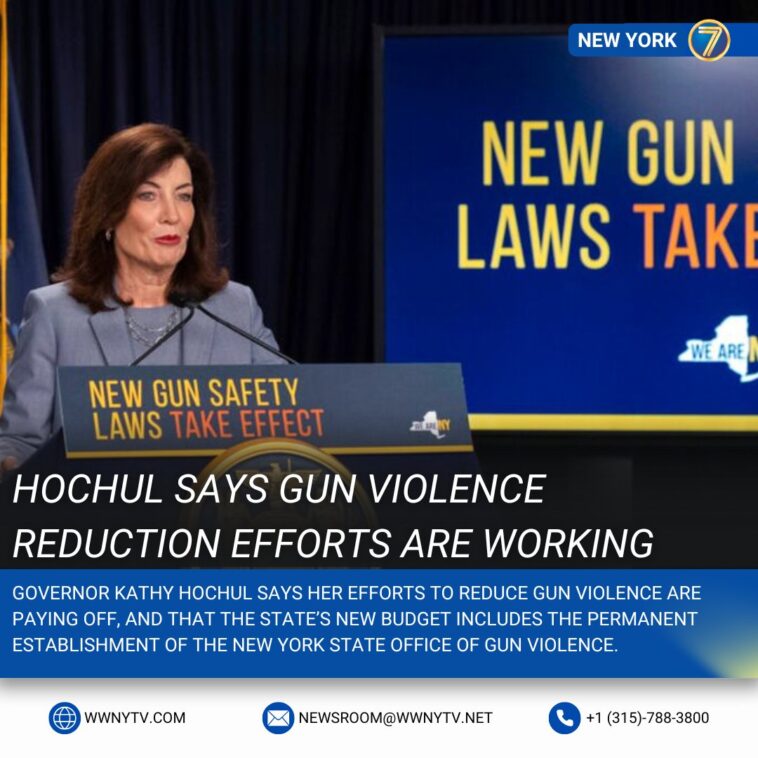
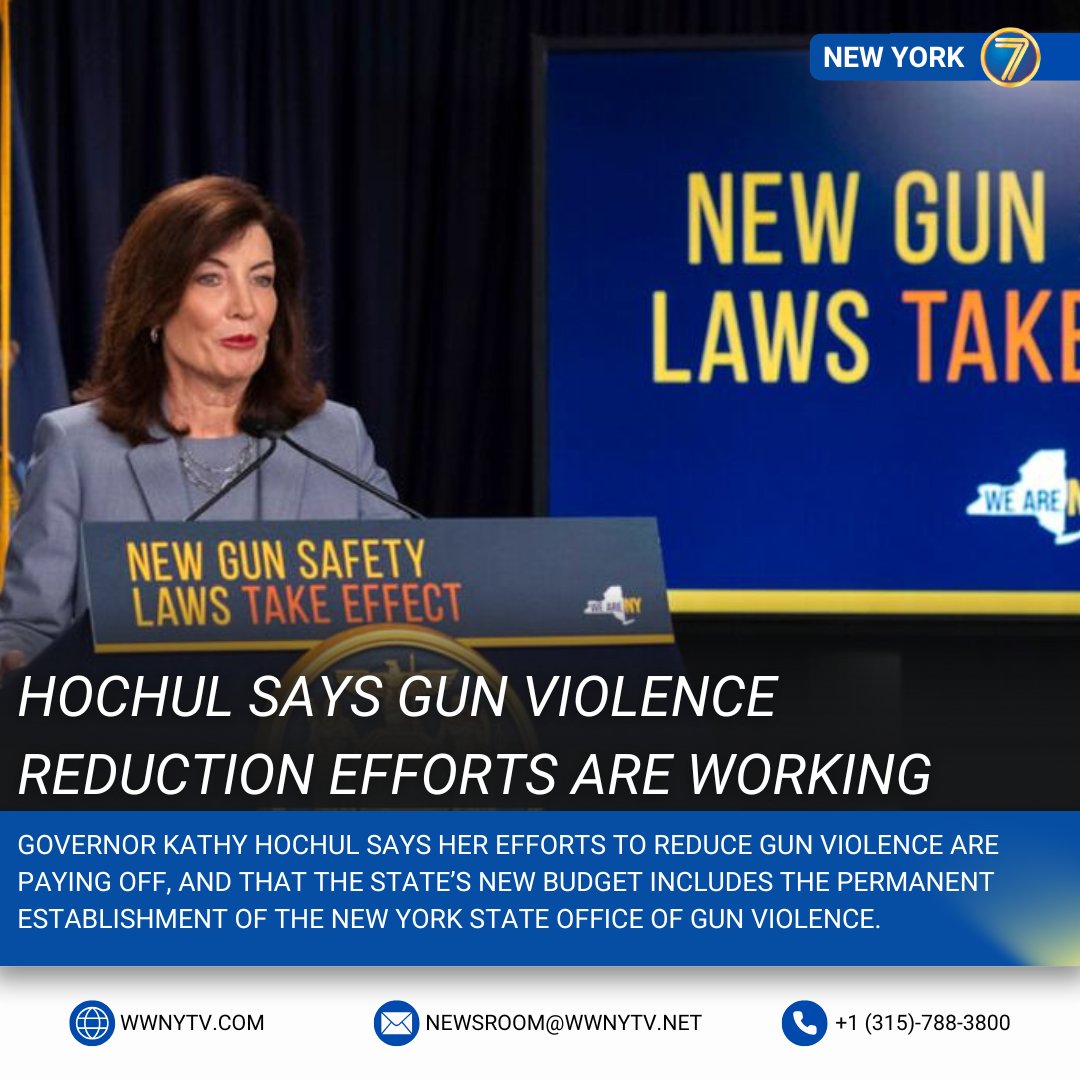
New York Governor Kathy Hochul recently announced a major initiative intended to reduce gun violence across the state. In a statement that underscored the legal and social implications, the governor revealed that New York’s new budget permanently establishes the New York State Office of Gun Violence. The office, originally created by executive order in 2021, is now a key component of the state’s strategy to coordinate efforts aimed at decreasing violent crimes. This development comes with nearly $350 million in funding earmarked for prevention programs and tougher enforcement of current gun laws.
The move marks a significant moment in legal and public policy, as it not only emphasizes the need for increased resource allocation but also illustrates how government entities can work together to get around tangled issues that span law enforcement, public safety, and constitutional rights. In this opinion editorial, we will take a closer look at the fine points of the state’s approach, explore the funding structure and legal implications, and discuss how these changes might affect both the community and the legal landscape.
Enhancing Public Safety Through Increased Funding
One of the most important aspects of Governor Hochul’s announcement is the allocation of nearly $350 million to prevention programs and stricter enforcement of gun laws. Money, as the governor said, plays a key role in ensuring that “people deserve to be safe and feel safe.” This heavy investment is viewed not only as a proactive measure to reduce violence in a state that has witnessed a 17 percent decline in gun injuries over the past year, but also as a legal precedent that other states might study in order to replicate its success.
The state’s decision to invest so heavily in gun violence prevention highlights several tricky parts of modern legislation. For instance, as lawmakers work through this initiative, they must consider social, economic, and legal perspectives. Here are a few bullet points summarizing the major benefits expected from this amplified funding:
- Expanded Prevention Programs: With additional funds, communities can implement targeted programs that focus on early intervention, conflict resolution training, and support for at-risk groups.
- Enhanced Law Enforcement: Increased financial resources allow for better training, improved equipment, and an overall tougher stance on enforcing existing gun regulations.
- Community Outreach: Funding can bolster initiatives aimed at fostering trust between police and the communities they serve, ultimately reducing incidents of gun violence.
- Data-Driven Strategies: The availability of more data and analytics could further refine existing policies and ensure that prevention measures are effective.
It is important to note that while this initiative is promising, it is also met with many challenges. The legal framework for such extensive funding must consider constitutional rights, especially under the Second Amendment. This creates a unique environment where policymakers have to balance investment in public safety with individual freedoms.
The Role of the New York State Office of Gun Violence
The permanent creation of the New York State Office of Gun Violence is a strategic decision aimed at ensuring accountability and long-term commitment to reducing violent crime. The establishment of a permanent office—as opposed to the temporary binding of an executive order—suggests that the state is prepared to make structural changes. This is a critical step in sending a message that gun violence prevention is not a temporary priority but a lasting objective.
Breaking down the function of the new office reveals several key responsibilities:
- Coordinating Strategies: The office will bring together various state agencies to work through the tangled issues surrounding enforcement, prevention, and public safety.
- Policy Recommendations: By assessing data and community reports, the office is required to make informed policy recommendations that address both the immediate and long-term challenges of gun violence.
- Legal Support: In cases where existing gun laws need revision or better enforcement, the office will provide legal guidance and resources to ensure that measures conform with constitutional standards.
- Community Engagement: Ensuring open channels of communication between state law enforcement and communities, particularly those that have experienced high levels of violence, is a core objective.
From a legal perspective, creating this office on a permanent basis simplifies the state’s efforts to find its way through the complicated pieces of gun-related legislation. The office’s mandate is broad, touching on both the administrative and judicial sides of the law. It could serve as a model for other states grappling with similar challenges, demonstrating that when well-funded and well-organized, government agencies can make a tangible difference.
Legal Implications of Tougher Gun Law Enforcement
The announcement of tougher measures to enforce gun laws inevitably brings up several questions from a legal standpoint. As we take a closer look at these legal ramifications, it becomes clear that this is not just about increasing police presence or buying additional equipment—it’s also about the legal strategies behind these measures. Here are some key legal implications:
- Constitutional Challenges: Any effort to enforce existing gun laws more strictly must always be balanced against constitutional protections. The Second Amendment, with its promise of the right to bear arms, sometimes creates conflicting legal arguments that lawmakers and courts must sort out.
- Enhanced Prosecution Techniques: With better resources and data collection techniques, state authorities may increase the precision of prosecutions in gun-related cases. This means that while the overall crime rate might drop, courts will have to deal with complicated cases involving contentious evidence and interpretations.
- Policy Reforms: Legal experts suggest that funding such initiatives could lead to reforms in areas where current legal language is ambiguous. Over time, this could lead to clearer, more enforceable laws that help both law enforcement and the public.
- Community Impact Litigation: As communities themselves become more involved in discussions around gun violence, there is potential for class action suits and community impact litigation aiming for greater accountability across various state agencies.
From the above points, it’s evident that the legal landscape of gun violence prevention is full of problems that require careful, step-by-step strategies to solve. By increasing the clarity of existing laws and ensuring that enforcement is consistent with constitutional rights, New York is setting the stage for broader legal reforms that could extend well beyond the state’s borders.
Analyzing Data Trends: A Legal Perspective
Data plays a super important role in shaping legal debates, and New York’s recent report of a 17 percent decline in gun injuries is a salient example. When assessing the success of any legal reform, it is essential to consider both statistical trends and the underlying legal arguments that have shaped current policies.
Here are some ways that data is influencing the legal strategies employed in reducing gun violence:
- Evidence-Based Legislation: Lawmakers are increasingly relying on data-driven strategies to support or challenge legislative proposals. In this instance, the decrease in gun injuries provides a concrete basis for further investments in prevention programs.
- Tracking Legal Outcomes: Detailed data collection allows for a close examination of how legal reforms are being implemented on the ground. This includes monitoring arrest rates, conviction rates, and recidivism patterns which all feed back into the legislative process.
- Policy Adjustments: As more data becomes available, policymakers can get into the subtle details of which measures work and which require adjustments. This ongoing process ensures that any legal strategies remain both effective and fair.
- Community Accountability: Analyzing data trends can also reinforce community demands for accountability from law enforcement agencies. Such accountability makes it easier for public interest groups to advocate for further legal clarity and consistency.
The interplay between statistical evidence and legal interpretation is a delicate one. While the data may show promising decreases in gun injuries, legal experts caution that this is just one piece of the puzzle. Other factors—including changes in community behavior and law enforcement practices—also play a role. Nonetheless, the current trends offer an optimistic view that more structured, legally sound approaches to gun violence can be successful.
Examining the Impact on Constitutional Rights
No conversation about tougher gun violence regulations can be complete without addressing the constitutional questions that inevitably arise. The delicate balance between public safety and individual constitutional rights is a longstanding legal conundrum, one that courts and legislators have wrestled with for decades. In this context, Governor Hochul’s announcement raises important legal debates:
Key constitutional issues include:
- Second Amendment Debates: The right to bear arms is a cornerstone of American constitutional law. Stricter enforcement of gun laws brings up nuanced discussions about how far the state can go without infringing on this cherished right.
- Due Process and Equal Protection: As laws become stricter, there is increased scrutiny over whether they are being applied fairly and uniformly. Legal advocates are likely to question if tougher enforcement disproportionately targets certain sections of society.
- Judicial Oversight: Courts serve as a counterbalance to legislative measures, ensuring that no enactment of law oversteps constitutional boundaries. Increased funding for enforcement might invite more legal challenges, especially from those who argue that these measures are overly invasive.
Balancing the fundamental right to self-defense with the state’s responsibility to protect its citizens from violence is a nerve-racking legal process. A closer look reveals that the challenge lies in maintaining equality under the law while also addressing the evident decline in public safety issues data seem to indicate. As legal experts work through these issues, it is essential to consider both the intended and unintended outcomes of enforcement actions.
Strategies for Addressing Confusing Bits of Gun Legislation
Gun legislation is often characterized by its tangled issues and twisted rules which can be overwhelming to the average person. The recent funding boost and establishment of a permanent office have spotlighted both the obvious and the subtle details of gun laws. However, for the purpose of shaping better policy, it is necessary to figure a path through these confusing bits, ensuring that legal approaches are both comprehensive and adaptive.
Some strategies to address these problematic areas include:
- Regular Legal Reviews: Periodically reviewing and revising existing gun legislation can help ensure that laws remain clear and adaptable to modern circumstances. Experts recommend the creation of a review board that includes legal scholars, law enforcement professionals, and community representatives.
- Inter-Agency Collaborations: By getting various state agencies together, the government can work on synchronizing different legal interpretations and enforcement practices. This collaboration facilitates a coordinated strategy to address both the immediate threats and the underlying issues.
- Public Transparency Initiatives: Making legal processes more transparent not only builds trust with the public but also helps in gathering nuanced feedback. Public consultations allow community members to add their input, ensuring that laws are fine-tuned to address local challenges.
- Training and Education: Increasing the legal literacy of both law enforcement officers and the public can reduce misunderstandings regarding gun laws. Organized training sessions and public seminars often provide the necessary background to steer through the legal maze.
Implementing these strategies is not without its challenges. Funding revisions, shifting political attitudes, and reconciling different interpretations of the law all contribute to a scenario that is loaded with issues. Yet, it is exactly through addressing these tricky parts that New York could set an example for other states facing similarly tangled legal dilemmas.
Integrating Community Input into Legal Reforms
Effective legal reform is rarely achieved in isolation. A critical component of New York’s new approach is the integration of community engagement in forming and refining legal measures. This alignment of government action with community needs is both an essential and innovative facet of the state’s strategy to reduce gun violence.
Community input can influence legal reforms through:
- Direct Feedback Channels: Establishing forums and official channels to collect public comments ensures that controversies and small distinctions in policy impacts are addressed early.
- Local Advisory Councils: Forming councils composed of local leaders, legal experts, and community activists can provide ongoing insights into how gun-related policies are affecting day-to-day life.
- Collaborative Workshops: Organizing workshops and town-hall meetings where residents can voice concerns and ideas fosters a democratic approach to legislation. This method not only educates the public but also allows the state to refine its legal measures based on grassroots support.
For legal communities, this integrated approach shows promise in resolving the off-putting challenge of implementing laws that are simultaneously strict and fair. Continuous interaction between lawmakers, law enforcement, and the community facilitates a more rounded view of public safety, helping to ensure that the legal reforms resonate with those they aim to protect.
Evaluating the Long-Term Benefits and Limitations
While the initial data of a 17 percent decline in gun injuries appears promising, the long-term benefits of these reforms remain to be fully understood. Digging into the snake in the legal system involves assessing both the potential upside and the inevitable limitations that come with any major policy shift.
Key long-term considerations include:
- Sustainable Funding: Although $350 million is being allocated, there is an ongoing discussion about whether this funding will suffice in the long run. Securing sustainable financial resources is essential to ensure that prevention programs and law enforcement initiatives continue to get the support they need.
- Legislative Adaptability: Laws must adapt to the evolving nature of gun violence. In a field that is full of challenges, legislation that is flexible and able to accommodate future changes in both technological and social conditions will likely be the most successful.
- Measurement of Success: There must be systematic assessments of how these policies affect crime rates, legal disputes, and overall public safety. This involves gathering both quantitative and qualitative data, which can then be used to figure a path towards further reforms if necessary.
- Addressing Unintended Consequences: Every legal reform is accompanied by its own set of unintended outcomes. It is important that the state remains alert to any negative effects that might arise—such as potential overreach of authority or public backlash—and that these issues are quickly addressed through additional policy adjustments.
With sustained effort and ongoing community dialogue, New York’s new strategy could serve as a model for tackling the tricky parts of gun laws on many levels. However, legal professionals caution that while short-term reductions in violence are encouraging, the real test will be whether these legal strategies can endure through the twists and turns of future political, technological, and social challenges.
Implications for Future Legal Policy
The initiatives announced by Governor Hochul offer fertile ground for legal scholars and policymakers to speculate on the future direction of gun law reforms in the United States. As legal experts dig into the various aspects of this policy, several potential future trends emerge:
- Increased Federal Involvement: Although this initiative is state-led, it could pave the way for increased dialogue at the federal level on gun violence prevention. National debates may soon focus on how to replicate New York’s successes (and learn from its challenges) across the country.
- Refined Enforcement Practices: With advanced tracking and analytics, law enforcement agencies may soon adopt more sophisticated methods to uncover the little twists and subtle details behind gun crimes. This evolution in practice could eventually lead to a new standard in criminal justice procedures.
- Judicial Precedents: As courts review cases where these tougher enforcement measures are contested, a body of judicial opinions will form. Over time, these opinions will contribute to the legal logic that underpins state and national gun policies.
- Interdisciplinary Policy Making: Legal reforms in gun violence prevention might increasingly involve experts from public health, sociology, and criminology. This multidisciplinary approach is likely to produce well-rounded policies that are better equipped to deal with the overwhelming challenges of modern urban and rural environments alike.
Looking ahead, it is important for legal analysts and policymakers to work together not only to manage current challenges but also to chart a path forward that continues to protect individual rights while reducing the risks of violence. This evolving legal landscape represents both opportunity and responsibility, requiring constant adjustments and open dialogue among all stakeholders.
Comparative Perspectives: Lessons from Other Jurisdictions
In order to fully appreciate the significance of New York’s approach, it is useful to examine how similar policies have played out in other jurisdictions. Comparisons with other states that have implemented aggressive gun control measures can help in understanding both the benefits and the limitations of such policies.
Some key points in comparing different jurisdictions include:
- Baseline Statistics: States with similar demographics and crime rates provide useful data. A comparison of gun injury statistics, enforcement actions, and community feedback can reveal small distinctions that have considerable legal and social implications.
- Legal Frameworks: Different states balance gun rights and public safety in varying ways. While some prioritize individual freedom over strict enforcement, others have taken a more interventionist approach. Studying these differences can highlight which legal strategies are most effective and which might be counterproductive.
- Community Engagement Models: Jurisdictions that have successfully integrated local community input into their legal processes serve as models for public consultation. Their experiences offer insights into overcoming off-putting challenges in implementing sweeping reforms.
- Sustainable Enforcement Methods: Other regions that have achieved long-term success in reducing gun violence typically couple increased funding with robust community programs and consistent judicial oversight. This blend of tactics seems to offer the best approach to balancing legal rights with public safety needs.
For legal experts, comparing these varied approaches is like piecing together a puzzle. Each jurisdiction faces its own set of overwhelming challenges, yet the fine points of successful strategies provide a roadmap for other states, including New York, to follow. In doing so, legal communities get a clearer image of how to work through complicated legal issues while staying true to constitutional principles.
The Broader Legal Debate: Public Safety vs. Individual Rights
At the heart of New York’s bold new policy lies an enduring legal debate: the balance between promoting public safety and upholding individual constitutional rights. While the state’s enhanced measures are widely seen as a step forward in protecting communities, they also prompt vigorous discussion over possible infringements on personal freedoms.
This wider debate covers several areas:
- Legal Protections vs. Enforcement: New policies that aim to strictly enforce gun laws must always consider whether these measures accidentally encroach on legally protected rights. Courts and legal experts continually have to untangle the subtle details that define the proper extent of governmental oversight.
- Individual Empowerment: Many legal arguments center on whether citizens feel empowered by existing laws or restrained by overzealous enforcement. Balancing community well-being with personal freedom remains one of the most nerve-racking aspects of modern legislative work.
- Future Litigation: With the new permanent office in place and tougher rules being applied, there is potential for legal challenges that will shape the future interpretation of gun laws. These cases may well set important judicial precedents concerning where enforcement efforts intersect with civil liberties.
In the end, the legal battle between ensuring safe communities and preserving individual rights is riddled with tension. This legal balancing act is not just an academic exercise; it has practical implications for how law enforcement is conducted and how citizens interact with the legal system on a daily basis. The outcome of this dynamic will likely mold public policy for years to come.
Conclusion: Charting a Course for Future Reforms
Governor Hochul’s announcement to permanently fund the New York State Office of Gun Violence and enforce stricter gun laws represents a significant landmark in the state’s ongoing battle against gun violence. While the initiative is accompanied by a robust investment and promising statistics, it also brings forward many twisted issues that the legal community will have to work through carefully.
In addressing the challenges, the state’s strategy is multifaceted—it includes increased funding, the permanent institution of a dedicated office, and tougher enforcement measures—all set against the backdrop of constitutional debates. As highlighted, these changes are not without legal complexities, but they establish a framework that other jurisdictions might well study as they work through their own tangled legal issues.
From enhanced community engagement initiatives to data-driven policy adjustments, New York is steering through both the immediate and long-term implications of gun violence prevention. The lessons learned here may well influence future national debates and legislative reforms, as legal experts and policymakers alike continue to figure a path between public safety and individual rights.
While challenges remain and the legal terrain is full of problematic twists and turns, the proactive measures introduced by Governor Hochul offer hope that with continued monitoring, adjustment, and transparent legal processes, lasting change is within reach. The journey ahead is undoubtedly intimidating, but with sustained effort and an openness to re-examining the status quo, New York’s approach could serve as an essential blueprint for the rest of the country.
As legal debates continue to unfold, it is clear that protecting communities from gun violence is as much about enforcing laws as it is about ensuring that those laws are fair, well-funded, and reflective of community needs. In this light, the 17 percent decline in gun injuries in New York over the past year is more than just a statistic—it is a promise of potential progress rooted in law, public policy, and community engagement.
Ultimately, the ongoing quest to tame the confusing bits of gun violence legislation requires a commitment to both legal rigor and community well-being. By channeling resources into constructive prevention programs, engaging in thoughtful legal reforms, and creating permanent structures to oversee these policies, New York is taking a bold step toward ensuring that safety is not an elusive ideal, but an attainable reality for everyone.
As we get into the legal specifics and further work through the fine points of responsible gun legislation, it is crucial for every stakeholder—lawmakers, law enforcement, community leaders, and the public—to engage in open dialogue. Only through a collaborative, transparent, and adaptable process can we continue to make meaningful progress in reducing gun violence without compromising the individual rights enshrined in our legal system.
It is our hope that this initiative not only paves the way for safer communities within New York but also inspires other states to reexamine their own legal frameworks surrounding gun violence. The path forward may be loaded with issues, but every step taken in the right direction—backed by sound legal reasoning and community support—is a victory for public safety and the rule of law.
In conclusion, the permanent establishment of the New York State Office of Gun Violence, combined with significant funding and tougher law enforcement, represents a thoughtful and measured response to a serious public safety challenge. As legal professionals and community advocates continue to work together, this initiative stands as a testament to the enduring power of law when it is harnessed to protect lives and promote a sense of security throughout the state.
The journey to reduce gun violence is ongoing, and while the challenges are many and the road ahead may be complicated by plenty of tangled legal issues, the commitment to safety and justice remains unwavering. With continued oversight, community engagement, and the willingness to adjust legal strategies as necessary, New York’s ambitious plans could very well chart a course toward a safer, more secure future for all its residents.
Originally Post From https://www.wwnytv.com/2025/07/01/hochul-says-gun-violence-reduction-efforts-are-working/
Read more about this topic at
Reducing Gun Violence
Gun Violence Must Stop. Here’s What We Can Do to …