
Examining Maine’s Alternative Firearm Safety Proposal
The recent decision by key Maine Democrats not to hold an emergency meeting on a proposed bill has sparked an ongoing debate over the best approach to firearm safety laws in the state. With competing measures on the table – one designed to enhance mental health support and protective custody provisions under Maine’s “yellow flag” law versus a “red flag” initiative backed by gun-control advocates – lawmakers, legal experts, and community members find themselves caught in a maze of tangled issues and fine points about due process and public safety.
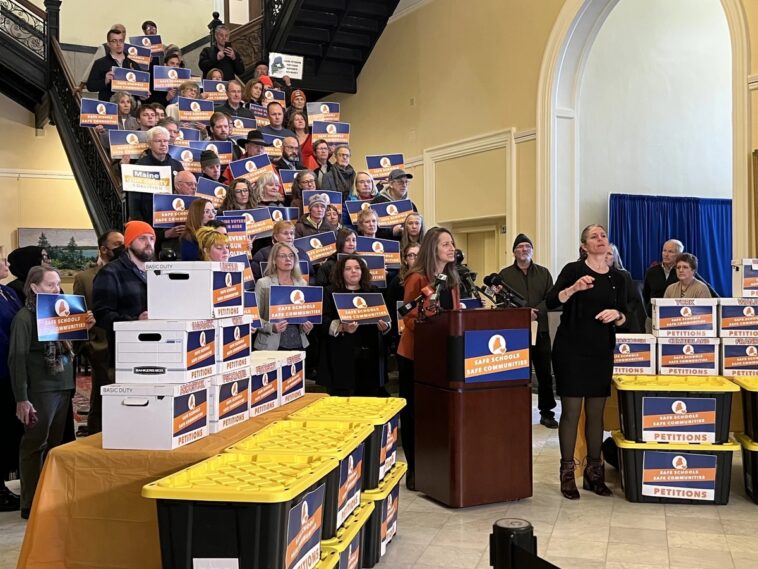
At its heart, the controversy pits an alternative measure introduced by Rep. Jennifer Poirier against a red flag proposal slated for the November ballot. Although Rep. Poirier’s measure carries the endorsement of Gov. Janet Mills, it seeks to bolster existing provisions without involving the families and neighbors who might wish to voice concerns. This development creates an opportunity to reexamine the current state of Maine’s firearm protective orders, review the shifting power dynamics among political groups, and weigh the pros and cons of each approach as the state navigates its path forward through a maze of legal twists and turns.
Understanding the Legal Framework and the Yellow Flag Law
Maine’s existing yellow flag law allows law enforcement officials to detain individuals deemed dangerous before a formal judicial process can begin. Since its inception in 2019 – when Gov. Mills worked alongside gun-control advocates and the Sportsman’s Alliance of Maine – this law has been deployed over 900 times. Although the measure has helped law enforcement prevent potential tragedies, critics argue that it remains too limited in scope. Specifically, they voice concerns over the yellow flag law’s inability to grant family members or close associates the power to initiate a protective process.
This approach leaves some with a sense of uncertainty, particularly in light of past tragedies such as the Lewiston mass shooting in 2023. Critics point to the fact that law enforcement had not employed the yellow flag law prior to the incident, suggesting that more robust measures could have helped prevent the surge in violence. In response, supporters of the yellow flag framework have emphasized that it remains a key tool in protecting due process rights, ensuring that any intervention is subject to judicial oversight.
Maine’s ‘Protective Firearm Custody’ Legislation: A Closer Look
The measure presented by Rep. Poirier calls for additional funding to support mental health treatment and provide further resources for law enforcement. Proponents argue that investing in mental health care can preempt situations that might otherwise escalate into crises. They also note that the measure is designed to work within the construct of the existing yellow flag law rather than replacing it outright.
Key provisions of the proposal include:
- Allocating additional resources to mental health programs across the state.
- Instituting enhanced training for law enforcement officers to recognize potential risks early.
- Strengthening the protocols under the yellow flag law to ensure that detentions are based on solid evidence while preserving due process rights.
This alternative has been positioned as a balanced measure—a middle way that seeks to address safety concerns without altering the role that personal relationships play in identifying dangerous behavior. The intention is to provide a protective cushion for both individuals and communities without making the process too intimidating or fraught with legal battles.
Political Dynamics and the Role of Partisan Politics
The choice by Maine Democrats to postpone further debate on Poirier’s measure underscores the delicate nature of current political negotiations. House Speaker Ryan Fecteau’s initial support for a work session on the bill was ultimately retracted, leaving the measure on the sidelines. By choosing to carry over unresolved bills into the next legislative session, Democratic leaders seem intent on sidestepping a confrontation with a proposal that has both political and legal implications.
This decision highlights the challenges involved in working through tricky parts of the political process when highly controversial issues arise. While some lawmakers see the proposed changes as necessary improvements to an existing system, others fear that any deviation from established practices may unduly burden families and neighbors who wish to remain engaged in safeguarding their communities.
Political Rhetoric and Real-World Implications
Critics who support red flag laws in other states argue that allowing family members to trigger temporary detention orders can be particularly effective in preventing tragedies. Their perspective rests on the notion that those closest to an individual are often best positioned to notice changes in behavior that might signify danger. In contrast, the current yellow flag law in Maine places the onus on police officers, which, as some argue, can lead to missed opportunities when early warning signs are present but not officially recognized as triggers for intervention.
It is useful to compare these positions through a table that encapsulates the different viewpoints:
| Aspect | Yellow Flag Law (Current) | Red Flag Law (Proposed) |
|---|---|---|
| Trigger Mechanism | Police-initiated intervention | Family and close associates can initiate |
| Due Process | Strong judicial oversight is maintained | Concerns over potential for misuse exist |
| Resource Allocation | Based on existing funding structures | May require additional resources and funding |
| Public Perception | Viewed as balanced and careful | Perceived by some as overly aggressive |
This table illustrates the small distinctions between the two legislative directions. Advocates for the red flag approach emphasize a more proactive role for the public, while supporters of the yellow flag law stress the need for careful, trained intervention by professionals.
Exploring the Impact on Public Safety and Community Trust
Maine’s approach to firearm safety is a matter of both legal policy and public trust. When laws or regulations touch on such sensitive issues, they inevitably become loaded with tension and sometimes lead to community divisions. The controversy surrounding the red flag versus yellow flag debate is a prime example: each side argues that its version of the law is best equipped to keep dangerous individuals away from weapons and communities safe.
The current yellow flag law has been in use for several years and has the advantage of being well understood in practice. It allows law enforcement to step in when necessary, based on solid evidence of risk. However, cases like the Lewiston mass shooting have revealed weaknesses in a system that relies solely on police identification of risk factors. Families and community members, who often spot early warning signs of troubling behavior, feel that their voices are left out of a process that ultimately affects their safety.
Community Perspectives and Personal Testimonies
Across Maine, community members, law enforcement officials, and legal experts offer varied perspectives on these laws. Some see the yellow flag law as a critical, must-have tool for protecting public safety in a crisis, especially when it has been fine-tuned over years of practical experience. Others believe that without an avenue for family-initiated intervention, opportunities for early prevention may slip through the cracks.
Comments from individuals on both sides often reveal:
- An understanding that any firearm restriction law must be applied with caution to avoid infringing on constitutional rights.
- Apprehension regarding any measure that might lead to rushed or unaccounted interventions without thorough checks.
- A plea for more investment in mental health services, which may preempt many risky events even before law enforcement is needed.
These points illustrate that the legal debate is loaded with nuanced differences that raise complicated pieces of concern regarding family rights, public safety, and legal oversight.
Balancing Mental Health Funding and Safety Regulations
An underlying theme in the current debate is the tension between adequately funding mental health services and enforcing safety regulations that limit firearm access under risk conditions. Poirier’s measure, with its focus on boosting mental health resources, reflects a growing shift toward viewing public safety holistically rather than solely through the lens of law enforcement intervention.
Advocates for enhanced mental health funding argue that far too many tragedies can be traced back to untreated or poorly managed mental health issues. By investing more in community-based mental health programs, resources could be mobilized before a crisis reaches the point of requiring police intervention. This, it is argued, would help reduce incidents where extreme measures need to be taken under flagged circumstances.
Practical Steps to Improve the System
A comprehensive strategy could involve a blend of legislative measures and community interventions. Some potential steps include:
- Increasing the budget allocated to mental health services in rural and urban areas alike.
- Providing targeted training for law enforcement on early risk identification and de-escalation techniques.
- Establishing a robust system that allows families to work collaboratively with professionals to address early warning signs without immediately resorting to restrictive orders.
- Reviewing and revising the yellow flag protocol periodically to incorporate lessons learned from past cases, ensuring that policies keep pace with emerging social challenges.
Such measures could build a system where the preventive steps taken by police and mental health professionals do not conflict but rather complement each other. This dual approach could help steer through the overwhelming legal maze by ensuring that every step taken prioritizes not only public safety but also the rights and voices of families and community members.
Judicial Oversight and the Fairness of Protective Custody Orders
Another critical dimension of this debate involves the level of judicial oversight over protective custody orders issued under the yellow flag law. The current legal framework has always emphasized judicial review as a cornerstone of protecting individual rights. Critics of any red flag measure worry that by allowing more parties – particularly family members – to initiate protective custody, the process might become too swayed by personal feelings, leading to potentially premature restrictions on constitutional rights.
Maintaining a careful balance between proactive safety measures and protecting due process is not an easy task. It requires ensuring that any order for temporary firearm removal is supported by clear, convincing evidence and that the individuals affected have a timely opportunity to challenge such orders in court. This blend of administrative action followed by judicial review has been at the heart of Maine’s current system, seen by many as both a safeguard against arbitrary action and, at times, as a structure that may overlook early signs of danger if too rigidly applied.
Legal Safeguards and Best Practices
Many legal experts suggest that even if Maine were to adopt aspects of a red flag law, preserving rigorous judicial oversight would be non-negotiable. The best practices recommended are:
- Ensuring that any decision to remove firearms is accompanied by detailed documentation and a prompt review hearing.
- Creating an appeals process that is both accessible and fair to the individual affected.
- Regularly auditing instances where protective custody orders are applied to learn from each case and improve response protocols.
- Implementing clear guidelines for law enforcement so that subjective biases do not influence the decision-making process.
These steps serve as a reminder that while the goal of preventing dangerous situations is essential, the methods chosen must not compromise the fairness that underpins Maine’s legal system. It is a delicate balancing act: one that requires working through confusing bits and subtle details to ensure that safety and liberty remain in lockstep.
Comparing Maine’s Approach to Other States’ Red Flag Laws
States across the country vary widely in how they approach firearm safety laws. In over 21 states, red flag laws provide a mechanism for family members to petition for the temporary removal of firearms if they believe a loved one poses a risk to themselves or others. Maine’s existing yellow flag law, on the other hand, places the power exclusively in the hands of law enforcement officers.
This distinction is critical. In states with red flag provisions, family members are often the first to notice the early signs of distress or danger. However, relying on non-professionals to trigger such an intervention can be a double-edged sword. While it expands the circle of responsibility, it also opens up questions about the potential for misuse or misinterpretation of behaviors that might otherwise be managed through conventional mental health or community support channels.
Case Studies and Comparative Analysis
A comparative look at several states highlights some of the small twists and subtle differences inherent in each approach:
- State A: In this state, red flag laws have been credited with preventing several violent outcomes, but critics note that the system sometimes leaves individuals feeling that their rights were curtailed without sufficient recourse.
- State B: Another state experienced a notable reduction in firearm-related incidents after adopting a red flag law. Nonetheless, lawmakers there continue to debate the balance between intervention and due process.
- State C: This state has maintained a police-led intervention system similar to Maine’s yellow flag law, emphasizing professional judgment over emotional response, albeit with occasional public criticism for perceived inaction.
Through these examples, it becomes clear that there is no one-size-fits-all solution. Each model carries its own set of advantages and challenges. As Maine weighs its options, policymakers must figure a path that maximizes public safety while protecting the fundamental rights of its citizens.
The Economic and Social Costs of Changing Firearm Laws
Changing the framework by which firearm restrictions are implemented is not just a legal or political matter—it also has economic and social implications. Any significant change in how laws are administered can lead to initial confusion and may require extensive retraining both for law enforcement and for judicial officers. Moreover, introducing a family-initiated system could lead to additional administrative burdens, thus necessitating more funding and resources.
From an economic standpoint, while increased funding for mental health services has its direct costs, advocates argue that such spending is an investment in the community’s overall well-being. Improved mental health programs can reduce long-term societal costs arising from untreated mental illnesses, such as lost productivity, higher rates of incarceration, and prolonged medical interventions in crisis cases.
Socially, communities might benefit from the enhanced sense of security that comes with knowing there are multiple avenues for intervention before a tragedy strikes. However, there remains the risk that any perceived overreach could alienate certain groups, thereby polarizing the community further. It is crucial to make sure that changes not only add layers of protection but also maintain the delicate balance of trust between citizens and the institutions mandated to protect them.
Cost-Benefit Breakdown for Policy Implementation
A practical way to examine the issue is to consider a cost-benefit table detailing both the potential gains and risks associated with each approach:
| Aspect | Enhanced Yellow Flag Model | Introducing a Red Flag Component |
|---|---|---|
| Economic Investment | Requires moderate: additional funding for training and mental health resources | Potentially higher: broader system overhaul and additional administrative costs |
| Legal Robustness | Maintains strict judicial review | Risk of subjective decision-making, necessitating further safeguards |
| Community Trust | Builds on an established system known to both law enforcement and citizens | May enhance early intervention but can be viewed as intrusive if not carefully managed |
| Implementation Complexity | More straightforward enhancements to existing procedures | Involves procedural changes and potentially new legislative processes |
This breakdown provides a clear picture of the tricky parts involved in altering Maine’s current approach to firearm regulation. Decision-makers must digest these tangled issues thoroughly to ensure that any legislative change is both effective and respectful of constitutional safeguards.
Media Representation and Public Discourse
The way that media reports on and frames these debates plays a significant role in influencing public opinion. In recent months, a series of opinion editorials, news segments, and public statements have attempted to parse the details of the competing proposals. While many of these reports aim for neutrality, editorial slants sometimes leave room for misinterpretation or oversimplification of the small twists inherent in the underlying law.
For example, some narratives have portrayed the alternative measure as a slight deviation from the proven yellow flag method, while others describe it as a bold attempt to empower families. These conflicting depictions underscore the need for clear, transparent communication from both lawmakers and community stakeholders.
Strategies for Improving Public Understanding
In order to help the public figure a path through the nerve-racking legal maze of firearm regulations, several strategies should be considered:
- Simplified Explanations: Use plain language in official communications to explain the differences between the proposals, avoiding legal jargon where possible.
- Community Forums: Host local events where experts and lawmakers can explain the proposals, answer questions, and listen to community concerns.
- Case Studies: Share real-life examples of how similar laws have functioned in other jurisdictions to provide a grounded context for the debate.
- Visual Aids: Create infographics and flowcharts that clearly illustrate the process for both the yellow flag law and the proposed red flag measures, highlighting each step in the intervention process.
By adopting these strategies, officials can help bridge the communication gap between complex legal processes and everyday citizens, ensuring that everyone can participate in informed discussions about public safety and constitutional rights.
Looking Ahead: Legislative Sessions and Future Votes
With the November ballot looming and the state legislative session scheduled to carry over many unresolved bills into 2026, the debate over Maine’s approach to firearm safety will continue to simmer. Lawmakers must not only manage the immediate concerns surrounding protective custody orders but also lay the groundwork for long-term improvements in public safety, mental health care, and judicial oversight.
The decision to postpone debate on Poirier’s measure is both a tactical political maneuver and a sign of the considerable challenges that lie ahead. On one hand, delaying the decision may give lawmakers more time to gather feedback, refine proposals, and design a system that better addresses the real-world needs of Maine’s diverse communities. On the other hand, continued delays might erode public trust, especially among those who believe that immediate action is necessary to prevent future tragedies.
Potential Scenarios for the Legislative Future
Several scenarios could unfold in the coming months:
- Scenario One: Lawmakers engage in thorough, transparent debates, eventually merging elements of both the yellow and red flag models into a unified framework that balances professional oversight with community input.
- Scenario Two: The red flag proposal advances independently, resulting in a situation where family members gain new powers that require robust safeguards to protect individual rights.
- Scenario Three: The status quo is maintained, with the existing yellow flag law undergoing minor enhancements while significant reforms are postponed to a future legislative session.
Each of these paths carries its own challenges and benefits, and the final outcome will likely be shaped by both political negotiations and public sentiment. As lawmakers continue to sort out the confusing bits of this debate, it is essential that every stakeholder remains focused on the ultimate goal: safeguarding communities while preserving constitutional rights.
Community Engagement and the Role of Stakeholders
The discussion over firearm safety laws is not solely the domain of politicians and legal experts—it also involves a wide range of community stakeholders. Families, law enforcement officers, mental health professionals, and advocacy groups all play key roles in how these policies are shaped and implemented. Their diverse perspectives ensure that any legal adjustments are examined from multiple angles.
For instance, community members who have personal experience with mental health challenges or past incidents of violence can provide invaluable insights into what changes might work best in practice. Similarly, law enforcement officers bring a critical operational perspective, having witnessed firsthand both the strengths and limitations of current protocols.
Organizing Stakeholder Feedback
To better manage the nerve-racking process of policy reform, the following approaches can help gather and integrate stakeholder input:
- Public Hearings and Workshops: Organize events where community members can share their experiences and suggestions directly with decision-makers.
- Surveys and Polls: Use structured surveys to quantify public opinion on the relative merits of the yellow flag versus red flag proposals.
- Focus Groups: Convene small, diverse groups of stakeholders to dive in and discuss the upside and potential pitfalls of each legislative approach.
- Expert Panels: Bring together legal experts, mental health professionals, and law enforcement leaders to present balanced analyses and answer public questions.
These initiatives not only help create a more informed public debate but also contribute to policies that are more likely to succeed in the long run because they reflect a broad range of experiences and concerns.
Reflections on Due Process and Constitutional Rights
One of the most persistent concerns in reworking these firearm safety measures is the imperative to protect due process and uphold constitutional rights. Critics of any approach that expands the pool of individuals who can trigger firearm restrictions insist that any law must include strict checks and balances. The balancing act between averting potential danger and ensuring that each individual’s rights are not arbitrarily curtailed is delicate, demanding careful consideration of the hidden complexities that lie at the intersection of public safety and civil liberties.
Maintaining this balance requires that every step, from the moment an officer identifies a risk to the time a judge reviews the case, is transparent and guided by strict protocols. As lawmakers consider modifications to Maine’s current system, the primary challenge is to fine-tune the process so that it is both super important for preventing violence and sensitive enough to avoid undue harm to innocent citizens.
Key Legal Principles That Must Be Upheld
Every adjustment to firearm safety laws must respect several key legal principles:
- Presumption of Innocence: Until clear evidence suggests otherwise, every individual retains their full constitutional rights.
- Judicial Review: Any temporary restrictions on firearm access must be subject to swift judicial oversight, ensuring that measures are not imposed arbitrarily.
- Transparency: The procedures and criteria used to determine risk should be clearly published and communicated to the public.
- Right to Appeal: Individuals affected by any protective order should have access to a timely and fair appeals process.
These guidelines represent both a safeguard and a roadmap for lawmakers who must navigate the nerve-racking twists and turns of revising firearm safety protocols while remaining steadfast in protecting individual rights.
Final Thoughts: Weighing Choices in a Time of Change
As Maine continues to grapple with the best method of addressing firearm-related risks, the debate over whether to maintain the current yellow flag law or to integrate a red flag component remains emblematic of broader tensions in American society. On one side is the need for decisive intervention to prevent tragedy; on the other is a commitment to ensuring that any protective measure does not undermine the legal rights that define the nation’s core freedoms.
The decision by Maine Democrats to postpone a meeting on Rep. Poirier’s measure illustrates the ever-present challenge of working through confusing bits and tangled issues during times of political change. It also serves as a reminder that reforms—especially those dealing with safety and liberty—are never straightforward. Instead, they require constant dialogue, careful balancing of interests, and a readiness to adapt as new challenges arise.
In the final analysis, the future of Maine’s firearm safety laws will rest not only on legislative decisions but also on the strength and clarity of community engagement. As families, law enforcement officers, mental health professionals, and legal experts continue to take a closer look at the available options, the goal must remain clear: to create a system that protects both the public and individual rights, fostering a climate of safety, accountability, and trust.
While the legislative path ahead is loaded with issues and might feel overwhelming at times, every stakeholder’s involvement makes a difference. Maine’s experience offers a crucial case study on how legal frameworks must continuously evolve to respond to real-world challenges without compromising fairness and civil liberties.
Ultimately, whether through a refined yellow flag approach, a newly adopted red flag component, or a creative blend of both, the state’s challenge will be to figure a path that is at once effective in preventing tragedies and respectful of the delicate balance between compounding safety measures and protecting constitutional rights. As the debate unfolds in legislative halls and community forums alike, the importance of dialogue, transparency, and evidence-based decision-making remains super important for all who share in Maine’s future.
Originally Post From https://www.bangordailynews.com/2025/06/25/politics/state-politics/maine-democrats-decline-to-hear-janet-mills-backed-red-flag-alternative/
Read more about this topic at
Red Flag Gun Laws: A standoff in Colorado – 60 Minutes
Red flag law