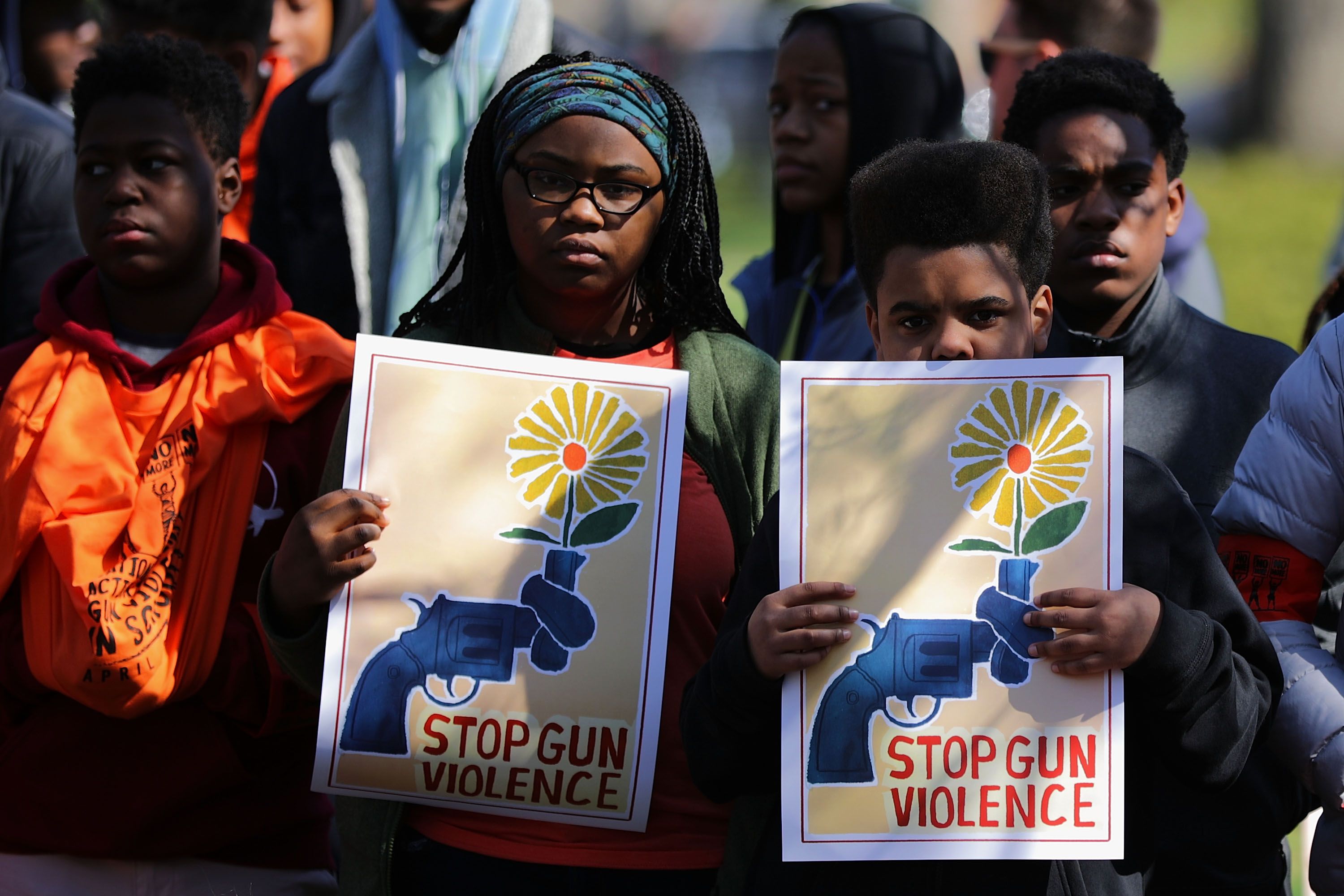
State Firearm Policies and Youth Safety: A Closer Look
The connection between state firearm policies and the tragic loss of young lives is an issue that continues to spark debates across the nation. Recent research published in a respected medical journal has revealed that more American children and teens die from firearms than any other cause. This opinion editorial takes a closer look at the study’s findings, examining how state regulations—ranging from the most permissive to the strictest—affect child safety, and what this means for our approach to gun violence as a public health concern.
While discussing the results, we must acknowledge the tricky parts of addressing such a loaded issue. The article emphasizes that certain states with more relaxed gun laws not only record higher death tolls among young people but also see wider racial disparities in these tragic outcomes. By highlighting how policies have evolved since the landmark McDonald decision, this piece serves as a call to dig into the fine points of policy and its direct impact on our communities.
Understanding the Study’s Framework and State Categories
The study divided states into three categories based on the stringency of their firearm regulations: the “most permissive,” “permissive,” and “strict” groups. This classification was derived from the presence of safe storage laws, background checks, and even Stand Your Ground laws. By comparing homicide and suicide rates among children and teens across these different categories, the researchers uncovered some eye-opening trends.
For example, the study quantified approximately 6,029 excess deaths in the “most permissive” states between 2011 and 2023 compared to the deaths that would have been expected under previous, more stringent rules. In states falling under the middle category, there were 1,424 excess deaths. Overall, roughly 17,000 deaths were predicted in the post-decision period, yet a staggering 23,000 occurred. Such numbers are not merely statistics—they represent a harsh reality many families must face.
Table: Summary of Excess Deaths Under Different State Policies
| Category | Excess Deaths (2011-2023) |
|---|---|
| Most Permissive | 6,029 |
| Permissive | 1,424 |
| Total Excess Deaths (Approx.) | 6,029 + 1,424; out of nearly 23,000 deaths vs. 17,000 expected |
The evidence from the study speaks to the critical role of legislation in saving lives. In states categorized as having the strictest laws—California, Maryland, New York, and Rhode Island—the rates of firearm-related deaths among children decreased significantly. Meanwhile, some states directly impacted by the court’s McDonald ruling, such as Illinois and Connecticut, saw an increase in these rates. In other states with strict legislation, including Massachusetts and New Jersey, the changes did not reach statistical significance.
Impact of Permissive Gun Laws on Racial Disparities
One of the study’s most unsettling findings is the marked increase in firearm fatalities among non-Hispanic Black children and teens, especially in states with looser gun control laws. In these states, young people from minority communities experienced greater increases in the rate of firearm-related deaths. Meanwhile, states with stricter laws managed to keep these increases much lower.
This raises a critical question: How do these policies intersect with racial tensions and socioeconomic factors that already burden many communities? The answer is not simple. It requires us to find our way through a maze of compared policies, cultural influences, and historical inequities. Addressing this aspect calls for a thoughtful approach, one that must consider that the fate of many children is intertwined with both policy and community factors.
The Role of Safe Storage and Child Access Prevention Laws
A major takeaway from the research is that child access prevention laws play an essential role in reducing firearm-related injuries and deaths among children. Safe storage policies, which require guns to be locked, unloaded, and stored away from ammunition, are proven to decrease the likelihood of unintentional injuries and suicides among young people.
To better understand this, consider these key points:
- Safe Storage: Ensuring that firearms are safely stored can help protect curious children from accidental harm.
- Background Checks: Comprehensive background checks help prevent firearms from falling into the wrong hands.
- Child Access Prevention: Laws that restrict how and when a child can access a firearm add an extra layer of protection in households.
These steps, while seemingly simple, are effective measures in breaking the cycle of preventable injuries. When gun owners adhere to such practices, it not only reduces immediate risks but also sets an example of responsible ownership that can lead to safer communities overall.
Long-Term Effects on Public Health and Policy
Even as the findings illustrate the reality of excessive death rates in states with permissive policies, the larger picture is that firearm injuries represent a critical public health challenge. However, the political landscape complicates efforts to address these issues. For instance, the recent failure of a federal advisory to classify gun violence as a public health crisis, combined with actions to erase earlier warnings from public health officials, underscores the nerve-racking complexities of contemporary gun legislation.
Experts stress that if Americans are to manage their way through this dilemma, politicians must shift their focus from hardline ideological stances to the essential goal of protecting the most vulnerable—our children. By applying a public health framework to gun violence, we can better isolate the subtle details of what fuels firearm injuries in youth and develop appropriate, effective interventions.
Policy Lessons from Other Public Health Campaigns
Historically, public health successes—such as the establishment of car seat laws and the development of programs to reduce smoking—offer valuable lessons for tackling gun violence. In the same way that hospital-based trauma care and community involvement have helped curb fatalities from car accidents and other injury types, similar approaches can be applied to firearm safety.
Consider these parallels:
- Legislative Change: Like car seat laws saved countless lives by introducing minimal yet critical requirements, safe storage laws could serve as a life-saving measure in homes with firearms.
- Education and Awareness: Public health education programs provide the framework for changing behavior. Gun safety awareness initiatives can teach families how to minimize risk and ensure that firearms are securely stored.
- Community Investment: Investing in community-based violence prevention programs—such as hospital-based initiatives—has the potential to interrupt cycles of gun violence by supporting those at risk and preventing retaliatory actions after violent incidents.
These examples act as reminders that proactive, well-designed government policies and community programs can make a critical difference in public health outcomes.
Community-Based Initiatives: The Human Element in Gun Violence Prevention
A key element of addressing firearm violence is the role of community-based intervention programs. Programs that offer violence interruption services in hospitals or connect affected families with community support have shown promising results. One notable case involved New York City, where a hospital-based initiative reached out to nearly two-thirds of violent trauma patients, linking them with essential prevention services.
On a local scale, organizations such as M-PAC Cleveland—formed by community members after a personal loss—exemplify the heart of the fight against gun violence. These groups provide educational programs, support systems for grieving families, and advocate for enhanced safe storage laws, ensuring that future tragedies can be prevented. Their work underscores the need for combined policy and grassroots efforts.
The encouragement of community conversations about gun safety is critical. When families, neighbors, and community leaders come together to discuss the safe handling and storage of firearms, it helps in filling the gaps left by state policies. This collective effort is important to guide how we should take a closer look at our culture and the ease with which dangerous conditions can develop when proper storage and oversight are lacking.
Examining the State-by-State Variations in Gun Policies
Not all states are equal when it comes to regulating firearm access. The research highlights significant differences in firearm death rates among children in states with varied regulatory approaches. For example, while states like Missouri and Ohio have experienced rising mortality rates after the McDonald decision, other states with stricter regulations have managed to lower these grim statistics.
Let’s break down some examples:
- Missouri: Known for its permissive stance, Missouri experienced a stark increase in firearm death rates among children from 2.9 per 100,000 before McDonald to 4.2 afterward.
- Ohio: In the decade preceding the McDonald ruling, the child firearm death rate was 1.6 per 100,000, which climbed to 2.8 in the subsequent period.
- Louisiana: This state, falling under the “most permissive” label, saw its rate jump from 4.1 per 100,000 children to 5.7, marking it as one of the highest in the nation.
These differences illustrate a clear pattern: states that impose fewer restrictions on gun access tend to experience higher mortality rates among children. Even if critics argue that increased gun rights safeguard personal defense, the numbers show that the unintended consequences on our youngest residents are profound. It is not just about political posturing, but rather about making responsible decisions that keep communities safe.
The Cultural and Political Landscape: Challenges and Opportunities
The conversation around gun violence is loaded with cultural, political, and societal twists and turns. On one end are advocates for more permissive policies who argue that restrictive regulations limit the ability of law-abiding citizens to defend themselves. On the other, public health experts counter that a lack of robust regulation disproportionately affects children and vulnerable populations.
State lawmakers in several regions have weighed these perspectives with the ultimate goal of protecting citizens. In sensitive discussions held during legislative debates, proponents of safe storage laws argued that protecting children should be a super important concern. In contrast, opponents have maintained that such laws unnecessarily hinder a citizen’s right to quick self-defense, especially in situations where a split-second decision makes all the difference.
For instance, during debates in Louisiana over a proposed safe storage measure, Republican legislators voiced concerns that a locked gun might delay a timely reaction in emergencies. Their argument was that if a firearm is stored behind a locked drawer, it might be off-putting in urgent situations. Such debates are examples of the tangled issues that make finding a universally accepted solution a nerve-racking challenge.
Looking at the Broader National Context
The recent study comes on the heels of a federal report on children’s health that surprisingly omitted firearm injuries—the leading cause of death for children and teens in 2020 and 2021. This omission has been seen by many experts as an effort to politicize the issue, downplaying a serious public health emergency. As one of the study’s lead authors pointed out, ignoring these numbers not only jeopardizes children’s lives but also hampers the development of effective prevention strategies.
This national oversight suggests a broader trend in which political considerations sometimes overshadow key public health data. Critical questions remain: Why is the leading cause of death among youth omitted from public health initiatives? What message does this send to communities already reeling from firearm-related tragedies? These are questions that require immediate and honest discussion among policymakers, community leaders, and voters alike.
Building a Public Health Framework for Firearm Safety
One cannot overstate the importance of applying a public health framework in the effort to reduce firearm injuries among young populations. Specialists in trauma surgery and public health consistently highlight that the strategies which have worked in other areas—such as reducing traffic deaths or limiting the spread of infectious diseases—should be adapted to address gun violence.
Key components of this framework might include:
- Legislative Reforms: Revising laws to enforce safe storage and comprehensive background checks.
- Community Outreach Programs: Establishing hospital-based violence intervention programs and community engagement initiatives.
- Education Initiatives: Raising public awareness on gun safety and demonstrating the critical importance of secure firearm storage.
- Data-Driven Policies: Using robust statistical data to inform policy decisions rather than allowing political agendas to dictate public health measures.
Thoughtfully implemented, these strategies have the potential to positively impact communities by reducing needless fatalities and paving the way for a safer society. The lessons learned from other public health challenges serve as a roadmap for this approach.
Challenges in Implementing Safer Gun Policies
Despite the clear benefits of stricter gun regulations, several challenges remain. The ever-changing political climate, deeply entrenched cultural attitudes, and conflicting interpretations of the Second Amendment stand as intimidating obstacles for comprehensive reform.
Some of the complicated pieces of these challenges include:
- Cultural Resistance: America’s deeply held beliefs about individual freedom and gun ownership make it hard for many to embrace tighter regulations.
- Political Division: Legislators are often on opposite sides of the debate, finding it nerve-racking to reach consensus on measures that could drastically change the status quo.
- Implementation Issues: Even when laws are passed, ensuring consistent enforcement across different regions can be full of problems and tangled issues that hinder their efficacy.
These hurdles require us to figure a path through a maze of political and cultural factors, ensuring that any policy work is both effective and respects the rights upheld by our founding documents. Finding a balance is not an easy task; it is a process that involves sustained effort, compromise, and a willingness to face off-putting realities head-on.
Revisiting the Role of Local Legislators and Community Voices
Legislators play an influential role in shaping firearm policy, and the feedback from local communities is essential in crafting measures that work in practice. For example, state representatives in Louisiana and South Carolina have had energetic debates over proposals like permitless carry laws and safe storage requirements. While some argue that these proposals infringe on personal liberties and hinder rapid access for self-protection, others emphasize that protecting children should be a key public concern.
In South Carolina, one state representative passionately reminded his colleagues of the need for a cultural shift regarding gun ownership. By stressing how easily a home environment can turn into a dangerous place if firearms are not properly secured, local leaders are calling for more comprehensive changes that extend beyond the legislative texts. His remarks are an invitation to each community member to join the conversation and help steer through this complicated landscape.
Policy Proposals: Weighing the Pros and Cons
Given the data and the deeply personal stories behind each statistic, it becomes clear that state-level policy choices have immediate and lasting effects on communities. When considering any policy proposal, it is important to weigh its advantages against potential drawbacks. Here is a breakdown of some of the primary proposals discussed in the ongoing debate over firearm safety:
- Enhanced Safe Storage Laws:
- Pros: Reduce accidental shootings and limit unauthorized access by children.
- Cons: Might delay access in genuine emergencies if improperly implemented.
- Comprehensive Background Checks:
- Pros: Prevent individuals with a history of violence from obtaining firearms.
- Cons: Critics claim such measures could be used to obstruct the rights of law-abiding citizens.
- Permitless Carry Laws:
- Pros: Uphold the belief in citizens’ right to quickly respond to threats.
- Cons: Evidence suggests that such laws are associated with higher firearm-related deaths among youth.
By considering the fine details of each proposal, lawmakers and citizens alike can see that while each measure holds promise, they must be tailored carefully to address the local context and practical enforcement challenges. Designing policy that is both responsible and effective is a collaborative effort—a process that requires input from experts, political leaders, and the public.
Moving Forward: A Call for Collaboration and Informed Debate
With so many lives at stake, it is clear that addressing gun violence among our youth demands a thoughtful blend of policy reform, community engagement, and public health strategies. While the debate remains polarized, there is substantial evidence that stricter gun regulations, when enforced appropriately, can help reduce firearm-related deaths among children and teens.
Key points to remember include:
- States with stricter laws have seen statistically significant decreases in youth firearm deaths.
- Child access prevention laws, such as safe storage requirements and background checks, are essential tools in reducing accidental and intentional injuries.
- Local community initiatives and hospital-based interventions play a critical role in breaking the cycle of violence.
- The current political and cultural landscape makes it off-putting yet necessary to engage in honest, solution-oriented debates.
This is not just a matter of policy or political identity—it is about saving lives. Our communities, our families, and our future depend on recognizing that gun violence is an overwhelming public health issue that requires a combined, non-partisan effort. Every stakeholder, from local government officials to individual gun owners, must acknowledge that the current approach is not enough if we hope to secure a safer future for our children.
Integrating Public Health and Gun Safety: A Way Forward
In the grand scheme of civic policy, there is an opportunity to apply structured, data-driven methods to reduce gun violence in a manner similar to other public health challenges. By integrating the experience gained from previous health campaigns with current needs, officials can create programs that both respect constitutional rights and prioritize public safety.
This approach might include:
- Redesigning emergency response systems to ensure that, even in states with permissive laws, communities have access to rapid intervention in violent incidents.
- Strengthening cross-state collaborations to share what works best—from safe storage practices to community outreach models—that can be adapted to other regions.
- Developing educational outreach programs that use data from injuries and fatalities to inform responsible gun handling practices, thereby filling in the subtle details that standard policies often miss.
Together, these measures point to a future where our approach to gun violence is driven not by political expediency but by the goal of preserving life. While the political road may be full of problems and tension, the need to work together for the common good is super important.
Conclusion: Charting a Safer Path for America’s Youth
The findings from recent research on state firearm policies offer clear evidence that policy decisions matter immensely for the safety of our children. As we work through the mixed messages coming from different political corners, it is essential to figure a path that prioritizes public health over partisanship. From the detailed analysis of excess deaths in permissive versus strict states to the personal accounts of families affected by gun violence, the story is both heartbreaking and a call to meaningful action.
Achieving a balance in firearm regulation is not about stripping away rights; rather, it is about securing a safer environment for everyone—especially for the most vulnerable among us. It invites us to take a closer look at our own roles in this debate, whether we are lawmakers, community leaders, or everyday citizens. By pushing for legislation that enforces safe storage, comprehensive background checks, and thoughtful community-based intervention programs, we can chip away at the overwhelming toll of firearm-related injuries among our youth.
In a nation where millions are affected by the outcomes of these decisions, it becomes clear that addressing the subtle details and tangled issues in firearm policy is not just a legal challenge—it is a moral imperative. Only by working together, embracing a public health perspective, and engaging in informed debate can we hope to lessen the devastating impact of gun violence on our future generations.
As we reflect on the study and its implications, let us keep in mind that every change, no matter how small, contributes to a broader culture of safety and responsibility. It is a reminder that responsible policy making, community action, and education combined can pave the way for a better, safer society—a society where every child can look forward to a future free from the threat of gun violence.
Ultimately, the goal is to build a framework where we not only react to tragedies but also anticipate and prevent them. It is about taking the wheel in our policy decisions and ensuring that each step forward is informed by both data and compassion. The journey ahead may be intimidating and full of nerve-racking challenges, but the promise of saving lives makes it a cause worth pursuing with every resource at our disposal.
Let us use this moment as a turning point—a moment to affirm that protecting our children from the preventable loss caused by gun violence is a responsibility that transcends politics. It is a shared duty that calls for clear-eyed analysis, compassion, and commitment to change. By fostering informed debate and drawing from the successes of other public health initiatives, we can work together to create a future where the safety of our youth is not a political bargaining chip, but a super important priority for all.
Originally Post From https://www.stltoday.com/news/local/crime-courts/article_062135dd-1f2d-4e23-bc52-030dca0a67b3.html
Read more about this topic at
Gun Safety Policies Save Lives
Gun Control | Pros, Cons, Debate, Arguments, Firearms …