
The Modern Firearm Safety Act: A Crossroads in Gun Legislation
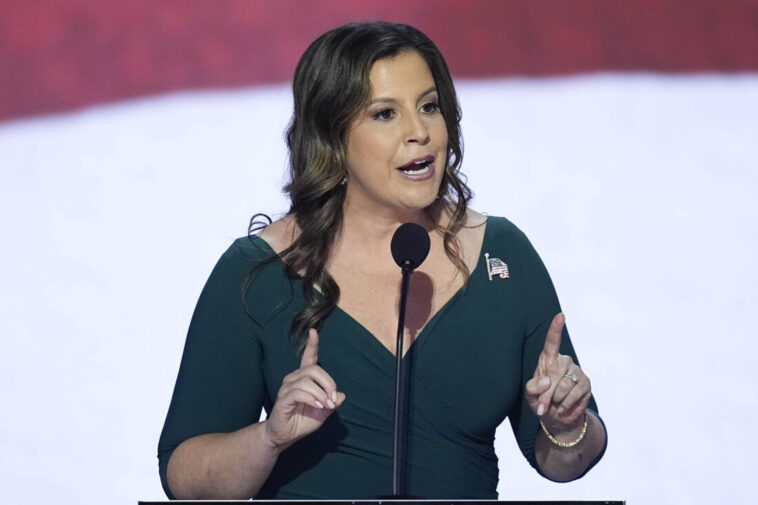
Recent moves in Congress have once again thrust the discussion of gun control into the spotlight. Congresswoman Elise M. Stefanik, alongside Congressman Darrell Issa, recently reintroduced the Modern Firearm Safety Act—a piece of legislation that seeks to roll back certain state-level gun controls in New York and California and to eliminate the contentious handgun rosters that restrict the models allowed for sale in these states. This proposal, which is stirring debate on both sides of the aisle, invites us to take a closer look at the tangled issues and subtle parts of American firearm regulation.
At its core, the proposed act aims to prohibit state-mandated safety mechanisms on handguns, such as loaded chamber indicators, magazine disconnectors, or microstamps. The bill would also codify a recent district court ruling declaring California’s pre-approved list of handgun models unconstitutional. By challenging these state-imposed lists, supporters of the legislation argue that it protects constitutional rights and ensures that law-abiding citizens are not burdened by what they claim are confusing bits of regulatory detail.
Understanding the Gun Control Debate
The gun control debate in the United States is as multifaceted as it is emotionally charged. On one side, advocates for stricter controls argue that measures such as handgun rosters and mandatory safety features play a critical role in public safety. They claim these regulations help prevent dangerous firearms from circulating among the public, thereby reducing gun violence. On the other side, proponents like Stefanik and Issa contend that these safety measures and state-imposed lists restrict the fundamental rights granted by the Second Amendment.
When we get into the nitty-gritty of this debate, we see that the arguments often pivot on the balance between individual liberties and community safety. One group suggests that state-imposed standards on firearm sales are an overreach—limiting what models can be purchased and potentially barring access to newer, safer weapons. The opposing side, however, points to the off-putting surge in gun-related incidents and argues that these measures, though intimidating to some, are necessary to maintain order in society.
Key Controversies Surrounding Handgun Rosters
The concept of handgun rosters is a recurring flashpoint. In states such as New York, Maryland, Massachusetts, and Washington, D.C., lists of approved firearms dictate what pistols can legally be sold. While many of these lists include a wide range of commercially available weapons, critics argue that they impose unnecessary barriers to access and innovation. They maintain that such rosters are loaded with problems, as they often exclude modern firearms equipped with cutting-edge safety features.
This new bill posits that the current system is more about political maneuvering than protecting citizens. For example, Stefanik’s comments point to a perceived “gun-grabbing agenda” by far left Democrats, suggesting that these roster lists are not really intended for public safety but rather for shifting the political landscape. Such claims are polarizing, causing a heated exchange of opinions among constituents who have deep-seated beliefs about individual rights and government overreach.
Comparing State Versus Federal Control
One of the more intricate points in this debate is the divergence between state and federal control over firearm regulations. States like California have enacted laws reflecting their local political climate and concerns about gun violence. However, what happens when the federal government steps in? The Modern Firearm Safety Act seeks to create a federal standard that would override state-specific requirements.
This raises several tricky parts to consider:
- Uniformity vs. Local Autonomy: Advocates for federal intervention argue that a consistent standard across all states would prevent confusing bits of regulation that vary significantly from one jurisdiction to another.
- Safety Mechanisms Debate: The act would prohibit states from requiring certain safety features on handguns—features which some argue are essential for reducing accidental discharges and enhancing user safety.
- Legal Precedents: The legislation would cement court rulings that have already found elements of the current state systems unconstitutional, thereby shifting key decision-making power from local to federal authorities.
By seeking to impose federal standards, the bill would force states to reconsider the tangled issues that have long divided communities along political lines. Supporters contend that this move would enable a more balanced and nuanced approach, while detractors see it as another step toward federal encroachment on states’ rights.
Assessing the Impact on Second Amendment Rights
For many Americans, the Second Amendment represents a key element of personal liberty—a safeguard against tyranny. The Modern Firearm Safety Act is viewed by its supporters as a necessary measure to protect these rights from what they see as undue interference by state governments.
When analyzing the bill from the perspective of constitutional rights, several critical questions come to light:
- Does restricting the sale of certain handguns infringe on individual freedoms? Proponents of gun rights believe that any limitation, even one purportedly based on safety and order, could have far-reaching implications for the right to bear arms. They argue that citizens should be free to choose from the full marketplace of available firearms.
- What are the potential unforeseen consequences? Removing state-imposed restrictions might open the door to firearms that haven’t been adequately tested for consumer safety, raising concerns about the overall impact on public security.
While the bill is seen by its backers as a crucial check against what they perceive as an overzealous state regulatory apparatus, others caution that the changes could lead to negative outcomes if not carefully managed. The debate highlights the often intimidating and nerve-racking tension between safeguarding individual rights and ensuring communal safety.
Second Amendment Rights in Contemporary Politics
The political discourse surrounding gun rights is typically rife with subtle details and slight differences in opinion. The conversation does not merely focus on whether individuals should own firearms, but rather on how regulations can be crafted in a way that respects tradition while adapting to modern realities.
For instance, while some argue that legacy systems—like New York’s handgun roster—are a vestige of a bygone era, others contend that they were designed with public safety in mind. The Modern Firearm Safety Act, therefore, represents more than a legislative proposal; it is a symbol in the ongoing struggle to define what it means to live with and regulate firearms in a modern society.
Political Reactions and Public Sentiment
The reintroduction of the Modern Firearm Safety Act has reignited passions among both supporters and opponents. Political figures have fervently voiced their opinions, with state Democrats warning that removing state restrictions could undo two decades of progress in reducing gun violence. Critics argue that the measures put in place by administrations such as New York’s under Governor Hochul have led to a significant drop in violent crime, and that dismantling them for political expediency is deeply misguided.
On the other hand, representatives like Stefanik and Issa maintain that these roster requirements are not about safety at all—they are, in their view, engines of political control aimed at limiting gun ownership among law-abiding citizens. These contrasting views are emblematic of the tension present in modern American politics, where even the most minute twists and turns in policy can become battlegrounds for ideological confrontations.
Public Opinion: A Divided Landscape
Recent polling and public opinion research indicate that Americans remain deeply divided over the issue of gun regulation. Some of the key observations include:
- Support for Second Amendment Rights: A significant portion of the populace sees any attempt to limit firearm access as not just an infringement on their personal liberties, but as an attack on a core aspect of American identity.
- Concerns Over Public Safety: Conversely, there is strong support among others for measures that promise to reduce the risk of gun violence, even if it means imposing some additional layers of control or safety-enhancing requirements.
- Distrust of Government Motivations: Many citizens express skepticism about legislative changes that appear to be driven by political rather than purely public safety concerns. They worry that shifting the balance of regulatory power could have unintended and messy consequences.
The debate is further complicated by the fact that many arguments hinge on how one interprets both the spirit and the letter of the Second Amendment. To some, any erosion of publicly mandated safety standards is a step into a dangerous, off-putting future where personal freedoms are undermined. To others, maintaining state-specific regulations represents a stubborn and obsolete system that fails to account for advances in firearm technology and changing societal norms.
Exploring the Policy Implications
The policy details of the Modern Firearm Safety Act extend beyond just the conversation on the Second Amendment. In effect, the bill attempts to overhaul not only the safety features mandated on firearms but also how federal courts interact with state-controlled firearm lists. This endeavor is both ambitious and laden with potential pitfalls.
There are several critical, complicated pieces of the bill to consider:
- Straightening Out Safety Mechanism Requirements: The act would effectively eliminate requirements that demand certain markers be included on handguns. Supporters argue this opens the market to innovations that could improve overall firearm safety, while critics fear it may lead to more accidents caused by poorly designed or outdated technology.
- Constitutional Codification: By embedding a court ruling into federal law, the bill would directly challenge state controls that have long been upheld as constitutional in some jurisdictions. This legal maneuver is one of the more intimidating and nerve-racking aspects of the legislation, as its fallout could reach far beyond the immediate issue of handgun rosters.
- Federal vs. State Jurisdiction: The creation of a federal standard for handgun features might eventually prompt other states to reconsider their own local laws, leading to a nationwide ripple effect. This rebalancing of power between state and federal governments is seen as both a pathway to uniformity and a potential source of bitter legal battles.
Policy experts are divided on whether this overhaul would ultimately make American gun laws safer or whether it might inadvertently create a vacuum in which more complicated issues go unaddressed. For many, the question is not simply about what the law should be, but how best to balance the need for modern solutions with the necessity of preserving hard-won rights.
Looking at the Broader Legal Landscape
When we dig into the impact on the broader legal framework, we see that the Modern Firearm Safety Act touches on several overlapping areas of law. Some of the key areas include:
- Federal Preemption: Establishing a singular federal standard could lead to increased litigation as state authorities challenge the new regulations. The idea of overriding state laws with federal mandates is seen by many as a double-edged sword that promises consistency but may also breed friction.
- Judicial Interpretations: The act’s reliance on prior court rulings sets a precedent for how future legal challenges related to firearm regulations might be handled. This aspect highlights the fine points of judicial review and legislative power in a system already loaded with tension.
- Future Legislative Trends: The bill is likely to influence not only gun legislation but also broader discussions about federal intervention in issues traditionally managed by state governments. It may even serve as a blueprint or cautionary tale for similar policy debates in other areas.
Legal scholars often stress that the devil is in the details. While the act may appear straightforward at first glance, each minute twist has broader implications that could reshape the entire landscape of American firearms regulation. Whether these changes are for better or worse remains a subject that will likely continue to evolve over the coming months and years.
Economic and Social Considerations
Aside from the legal and constitutional debates, the proposed changes evoke strong opinions regarding their potential economic and social implications. For instance, businesses involved in the manufacturing and retail of firearms may face a period of adjustment as they work to align with new federal standards rather than a patchwork of state-specific laws.
Business leaders point out the following concerns:
- Market Disruption: Changes in regulatory standards could disrupt existing supply chains and force manufacturers to redesign products to meet new federal guidelines. Such a shift may be off-putting to small and mid-size companies that lack the resources of larger conglomerates.
- Innovation and Design: On the flip side, some industry experts argue that eliminating overly rigid state roster requirements could spur innovation. Manufacturers might have greater freedom to introduce new, safer features if they are not bound by outdated mandates.
- Economic Impact on Local Communities: Regions that have long relied on state-specific firearm laws may experience economic ripple effects. For instance, local retailers and service businesses might need to retool their strategies, which could either result in new opportunities or produce significant challenges.
Socially, the debate also touches on the role of firearms in American culture. Gun ownership is enmeshed in a long tradition, and for many, it represents an essential part of their personal identity and heritage. Changes to the way guns are regulated, therefore, are never merely about safety or efficiency—they also reflect deep-seated cultural values and fears.
Community Reactions and Grassroots Movements
A number of grassroots organizations and community groups have taken strong positions on both sides of the issue. Discussions in town halls, social media platforms, and community meetings are filled with passionate arguments about the right balance between freedom and public safety.
Key points raised by community advocates include:
- Protection of Rights: For many, the ability to purchase a wide range of firearms without restrictive state intervention is a fundamental right that must be upheld at all costs. These groups assert that any attempt to legislate the minutiae of gun features is an unwarranted intrusion into personal liberty.
- Public Safety Concerns: Others insist that the primary goal of any gun regulation should be to enhance the safety of the community. They worry that loosening controls could lead to an increase in accidental shootings or make it easier for dangerous individuals to obtain firearms.
- Trust in Government: A lingering sentiment among some constituents is that the government, at either the state or federal level, does not always have the public’s best interests at heart. This distrust fuels both sides of the debate and makes compromise seem more off-putting than ever.
The diversity of opinion in local communities underscores how deeply divided the country is when it comes to gun policy. Although the legislative debate is central to the discussion, the real impact of these decisions is felt most sharply on the ground, in the lives of ordinary people trying to figure a path through a highly charged political landscape.
The Role of Media and Public Discourse
Another important factor in this debate is how the media portrays the modern firearm legislation. News outlets, opinion columns, and social media platforms all play a part in shaping public perception. The media is often tasked with translating the confusing bits or the tiny details of legislative changes into narratives that the public can easily digest.
Some core observations about media coverage include:
- Sensationalism vs. Nuanced Reporting: Coverage can sometimes lean toward sensationalism, focusing on the more dramatic facets of the proposed changes rather than offering a balanced view of the policy’s fine shades and actual impact.
- The Power of Framing: How an issue is framed can significantly influence public opinion. For instance, referring to the new bill as an attempt to “protect Second Amendment rights” versus an effort to “undermine state safety measures” can lead audiences to very different conclusions, even if both sides are arguing over the same factual points.
- Social Media Echo Chambers: Platforms like Twitter and Facebook often amplify extreme viewpoints, making it challenging for the average citizen to get a well-rounded perspective on the issues at hand. The public discourse becomes laden with hyperbolic statements, which in turn makes the process of figuring a path through the debate even more nerve-racking.
For those interested in a balanced and informed discussion, it is essential to dive in and scrutinize multiple sources. Avoiding the echo chamber requires effort and a willingness to get into the nitty-gritty of both the legal text and its practical implications for everyday lives.
Looking Ahead: Potential Outcomes and Future Debates
The introduction of the Modern Firearm Safety Act is unlikely to be the final word on the matter, but rather a landmark moment in an ongoing dialogue. As we look toward the future, several scenarios are conceivable:
- Legal Challenges and Court Battles: Should the bill pass, it is almost certain to face numerous legal challenges. Courts will be tasked with interpreting the federal law versus state regulations, potentially setting new precedents that could redefine the relationship between federal mandates and local governance.
- Legislative Amendments: Even if the act becomes law, legislators at both the federal and state levels are likely to return to the issue with modifications and amendments. The legislative process, with all its twists and turns, may lead to a compromise that attempts to balance safety enhancements with the preservation of personal freedoms.
- Shifts in Public Opinion: Public sentiment, influenced by both personal experiences and media portrayal, might shift over time. Future incidents of gun violence or accidents may further complicate the dialogue, prompting a reassessment of existing laws and the necessity for a federal standard as proposed in the bill.
The complex pieces of this legislative struggle remind us that change—especially when it touches on something as deeply personal as the right to bear arms—is neither immediate nor straightforward. Instead, it requires ongoing dialogue, careful consideration, and a willingness to manage our way through both the legal and social repercussions.
Balancing Innovation With Tradition
One of the most compelling aspects of the debate is how it forces us to consider the balance between honoring longstanding traditions and embracing modern innovation. For supporters of the Modern Firearm Safety Act, the focus is on updating archaic state regulations to accommodate new technological advances in firearm safety. They argue that clinging to outdated roster systems may hinder progress in ensuring that firearms incorporate the best possible safety features.
Conversely, critics warn that in the rush to “modernize,” we may inadvertently discard policies that have, however imperfectly, contributed to reducing gun violence. This delicate balancing act—between preserving historical values and adapting to contemporary needs—is loaded with issues that require deep reflection and public debate. As lawmakers, experts, and citizens continue to assess these concerns, it is clear that no one solution will satisfy all parts of a society rife with both innovation and tradition.
Conclusion: Charting a Path Through a Tangled Debate
The proposal to roll back state-imposed gun control measures and eliminate handgun rosters through the Modern Firearm Safety Act represents a pivotal moment in the ongoing conversation about gun rights and public safety in the United States. Whether one views it as a necessary corrector of tangled regulatory issues or as a reckless overstep that threatens to erode hard-won public safety gains largely depends on one’s perspective on federal versus state authority, the interpretation of constitutional rights, and the overall direction in which American society should head.
While the debate remains full of problems and loaded with tension, it is critical that both sides continue to engage in open, neutral, and fact-based discussions. It is only by carefully weighing the essential arguments—that is, protecting individual freedoms while ensuring public security—that we can hope to work through the nerve-racking complexities of gun policy reform.
As this legislative debate unfolds, all stakeholders, from lawmakers and courts to ordinary citizens and community groups, must be prepared to figure a path through the myriad legal, economic, and social challenges that lie ahead. In doing so, we might find a middle ground that honors the tradition of the Second Amendment while also addressing the subtle details of modern safety concerns. Ultimately, the hope is that by navigating these confusing bits and tangled issues together, we can arrive at a sensible, balanced approach that respects both innovation and established rights, ensuring a safer and more just society for all.
Originally Post From http://www.watertowndailytimes.com/news/stlawrencecounty/stefanik-backs-bill-to-roll-back-gun-laws/article_119ec1d2-ab7d-5476-9b85-1e4db9caead2.html
Read more about this topic at
Trump Admin Proposes Major Change to Gun Laws
Trump Administration to Roll Back Array of Gun Control …